Colorado right-to-repair repeal bill fails in House vote
Manufacturers Cisco and IBM lobbied for the measure citing cybersecurity risks, but a coalition of consumer and environmental groups successfully argued against it in a 7-to-4 decision.
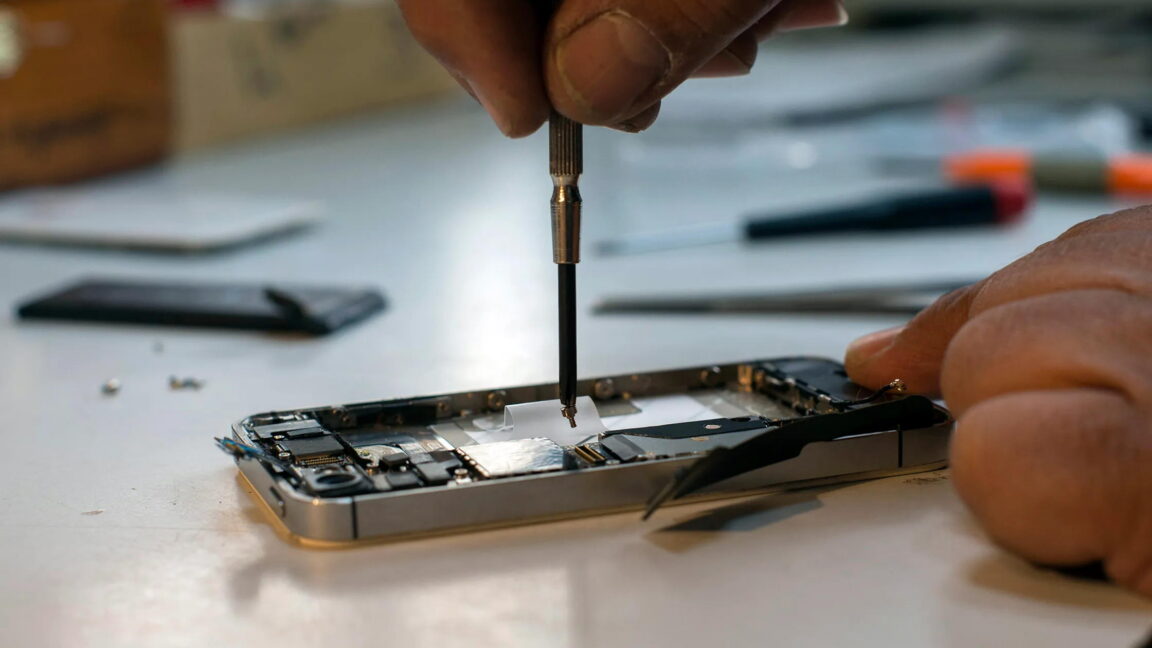
An attempt to repeal Colorado's 2024 right-to-repair law has failed in the House of Representatives. The proposed bill, SB26-090, which sought to create exceptions for critical infrastructure allowing manufacturers to withhold repair tools and documentation, was defeated by a vote of 7-to-4. The measure was subsequently classified as postponed indefinitely.
The legislation had previously passed the Colorado Senate unanimously on 16 April after lobbying efforts from major technology firms including Cisco and IBM. These manufacturers argued that requiring access to repair tools for all could enable bad actors to reverse-engineer critical technology, such as internet routers. However, the proposal was shot down during a hearing in the House State, Civic, Military, and Veterans Affairs Committee on a Monday evening.
During the proceedings, Representative Chad Clifford, a prime sponsor of the bill, cited Cloudflare's use of lava lamps for encryption randomisation as an example of why sensitive systems must remain inscrutable. He argued that companies should be permitted to keep such methods secret even within the state. This line of reasoning was met with significant pushback from cybersecurity experts present at the hearing.
Cybersecurity expert Billy Rios countered that the vast majority of hacks are remote and occur in real-time, meaning withholding physical repair tools does not address the actual security threat. He noted that defenders must make changes on the fly without worrying about acquiring permission from the equipment maker, rendering the argument about physical access largely moot.
Representative Naquetta Ricks voted against the bill, expressing uncertainty about whether the legislation protected genuine critical infrastructure or merely shielded a single company. Her sentiment was echoed by a broad coalition of opponents that included consumer groups such as CoPIRG, iFixit, and Repair.org, alongside environmental organisations like Blue Star Recyclers and Recycle Colorado.
Danny Katz, executive director of the local nonprofit CoPIRG, described the outcome as a victory for a group effort that included repair advocates, recyclers, and businesses. He noted that the incredible testimony from a wide range of stakeholders made a significant difference in stopping the repeal effort.
The defeat ensures that Colorado's landmark Consumer Right to Repair Digital Electronic Equipment law, which went into effect in January 2026, remains in force. The law mandates public access to tools and documentation for fixing digital electronics such as phones, computers, and Wi-Fi routers.
