Cold-adapted microbes continue to thrive on Ötzi the Iceman, Eurac Research finds
Researchers from the Institute of Mummy Studies at Eurac Research have identified that specific external microbes are still alive and adapting on the body of Ötzi the Iceman, challenging the view of the mummy as a static relic.
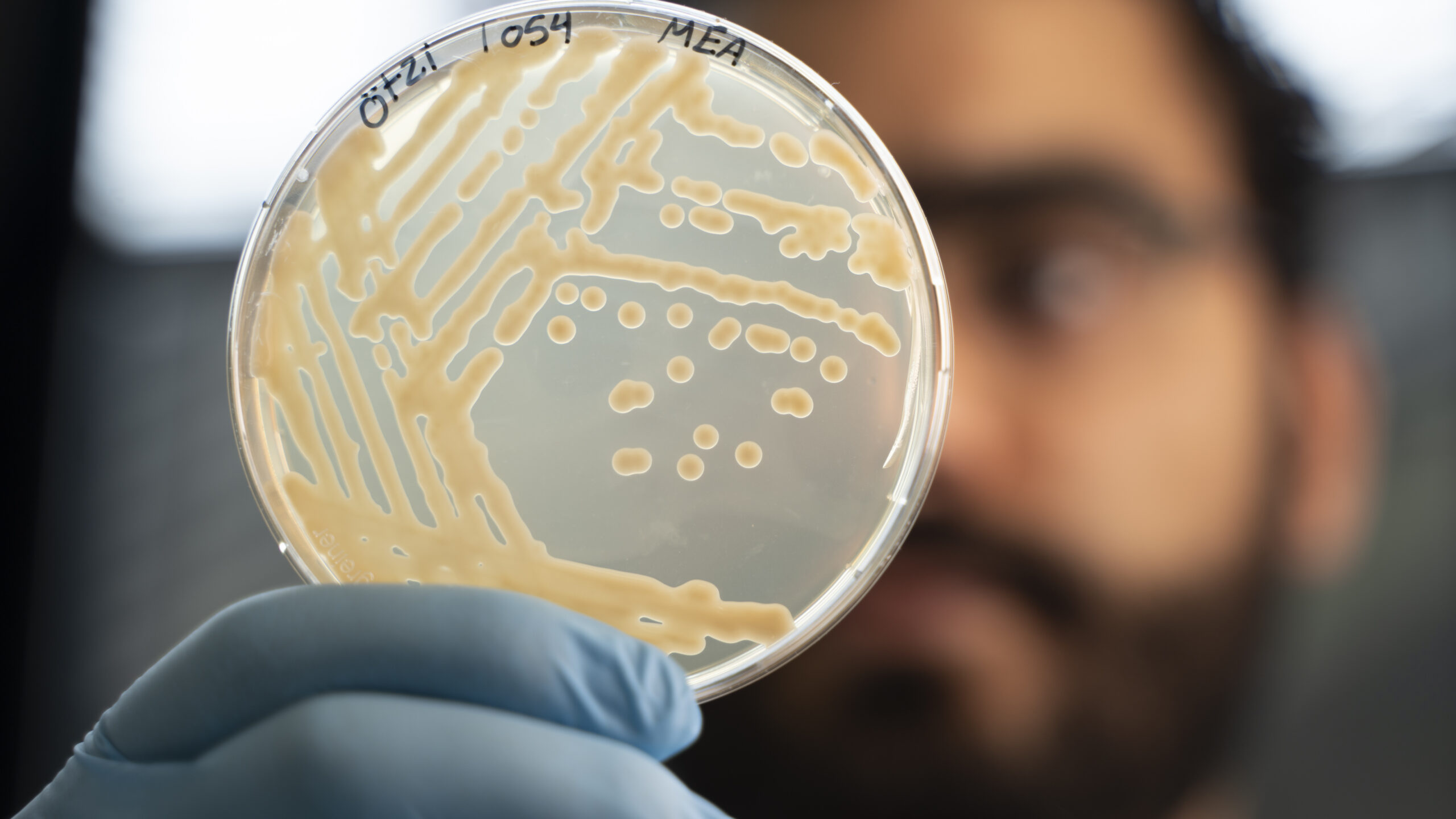
Researchers from the Institute of Mummy Studies at Eurac Research have discovered that cold-adapted yeasts and bacteria remain alive and are actively reproducing on the body of Ötzi the Iceman. The mummy, housed at the South Tyrol Museum of Archaeology in Italy, is maintained at -6°C with 99% humidity, conditions that have allowed four strains of yeasts and the bacterium Pseudomonas to persist since shortly after the Copper Age man’s death 5,300 years ago.
While the ancient gut bacteria within the mummy are dead, leaving only fragmented DNA, these external microbes show signs of slow growth and adaptation to the conservation environment. Shotgun metagenomic analysis of samples taken in 2010 and 2019 revealed that yeast DNA fragments were less damaged in the later collection, indicating ongoing reproduction. The identified yeasts include Phenolifera, Glaciozyma, Goffeauzyma, and Mrakia, all of which are closely related to species found in Arctic glaciers and high-altitude regions.
The conservation facility’s specific conditions appear to have influenced the microbial community. Three of the four yeast species are capable of breaking down phenol, an antifungal compound applied during preservation treatments in 1991, suggesting an evolutionary advantage for these strains. Additionally, bacteria such as Methylobacterium and Sphingomonas were identified on Ötzi’s skin, likely introduced by the UV-treated water spray used to maintain humidity levels in the chamber.
The bacterium Pseudomonas, found on the mummy, shows genetic differences from soil samples taken near the discovery site in 1991, indicating adaptation to the mummy’s tissues or the conservation facility. Researchers note that while they cultured at least one of the yeast species, this was not done using material directly from the mummy for ethical and health reasons. The study, published in Microbiome, describes Ötzi as a dynamic biological interface rather than a static relic.
Elisabeth Vallazza, Director of the South Tyrol Museum of Archaeology, stated that Ötzi remains stable and is carefully monitored. The findings underscore the need for continued research and conservation efforts to preserve the mummy for future generations, highlighting the complex ecosystem that has developed around the ancient remains.
