Cognition CEO Scott Wu positions AI coding agent Devin as programmer ‘buddy’, not replacement
CEO Scott Wu argues that Devin, which contributed to 89% of code commits at the company, is designed to handle maintenance toil and augment human engineers rather than supplant them.
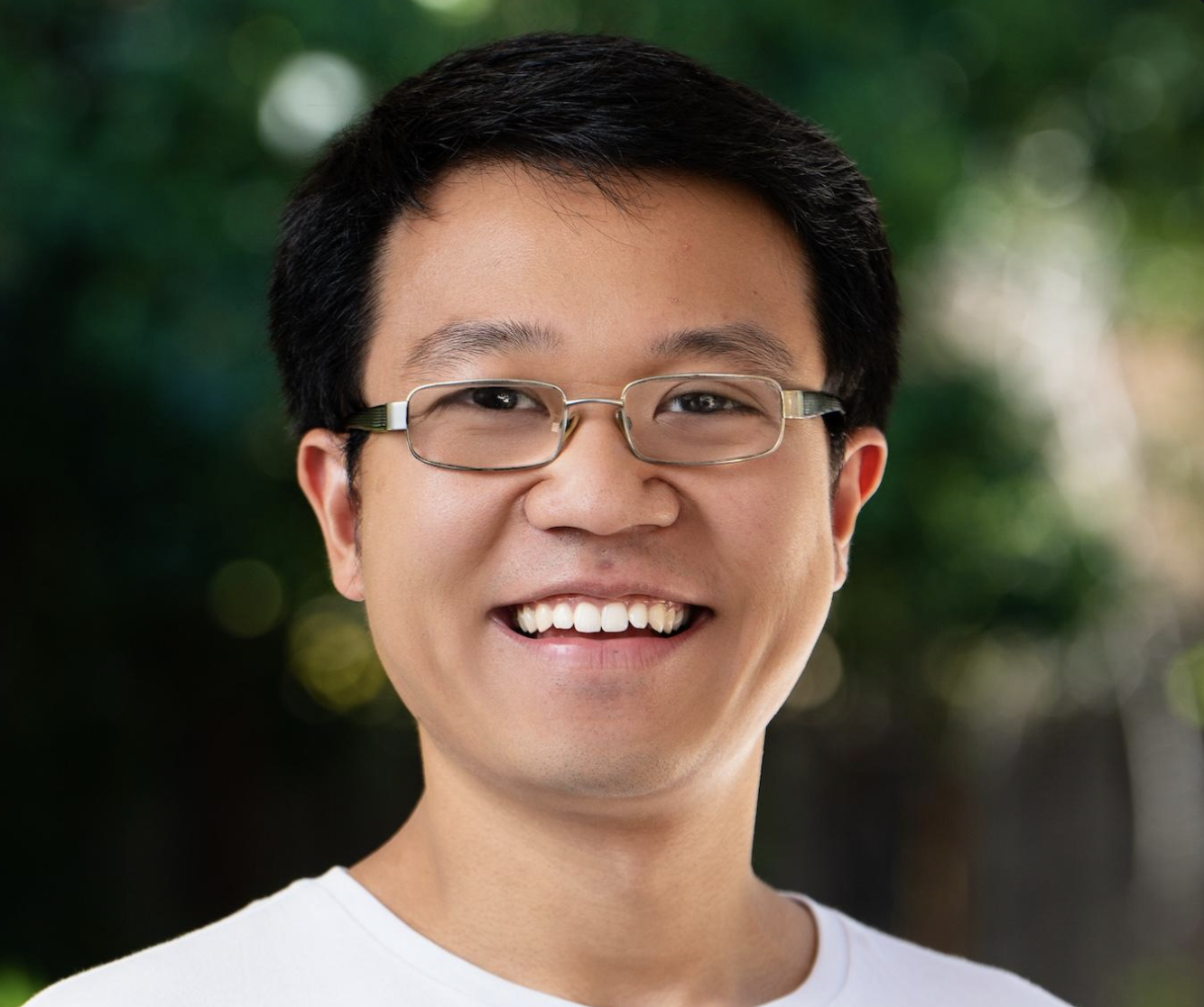
Cognition CEO Scott Wu has clarified that the company’s AI coding agent, Devin, is intended to augment human programmers rather than replace them. The statement comes shortly after the startup secured a $1 billion funding round, valuing the company at $26 billion. Wu emphasised that while Devin is capable of operating independently, its primary role is to act as a support tool for human engineers, handling maintenance tasks and reducing the administrative burden often referred to as toil.
According to Wu, Devin allows software engineers to focus on creative aspects of development by managing routine maintenance, such as updating legacy software and migrating applications between platforms. He described the agent as a "buddy" that helps build more, a sentiment he illustrated by displaying a physical Devin teddy bear on his desk. Wu, a former competitive programming prodigy, stated that the goal is to preserve the joy of creation for developers, comparing AI agents to visual development environments that serve as an additional layer of abstraction.
Despite this positioning, internal data from Cognition shows that Devin contributed to 89% of code commits at the company, with the remainder handled by local agents in Windsurf, an AI coding competitor Cognition acquired last year. Wu maintained that Devin operates at a junior to mid-level capacity, depending on the specific task. He rejected the notion that the tool is designed to make human programmers obsolete, noting that the company’s founders are themselves programmers who started coding at a young age.
This stance contrasts with broader industry trends in 2026, where AI adoption has frequently been associated with workforce reductions. Wu expressed concern about the narrative that AI is primarily a tool for job displacement, particularly in the tech sector. He argued that the vision for "self-driving software development" is about enabling humans to build products from nothing without losing the satisfaction of the creative process, rather than removing human involvement entirely.
Looking beyond software development, Wu predicted that AI agents would eventually enter other fields such as customer service and medicine. He suggested that the ultimate goal across these industries would be to augment human workers, ensuring that humans retain control over decision-making processes. While acknowledging that the trajectory of recursive AI agents and self-improving systems remains unpredictable, Wu described the future as a "wild ride" but insisted that human oversight should remain central to how these tools are utilised.

