Climate Shifts and Rodent Boom Drive Hantavirus Outbreak in Argentina
Experts warn that changing ecological conditions and human expansion are expanding the geographic risk of the virus, with no vaccine currently available for strains in the Americas.
A hantavirus outbreak in Argentina, which has included confirmed cases aboard the MV Hondius cruise ship, has been fuelled by wet weather conditions associated with El Niño and broader climate change trends. Health officials have reported 101 confirmed cases, concentrated in central Argentina, representing a doubling of cases compared to the previous 12-month period. The surge is attributed to increased rainfall that has triggered a rodent population boom, known locally as a "ratada," particularly of the Patagonian long-tailed pygmy rice rat, which acts as the primary reservoir for the virus.
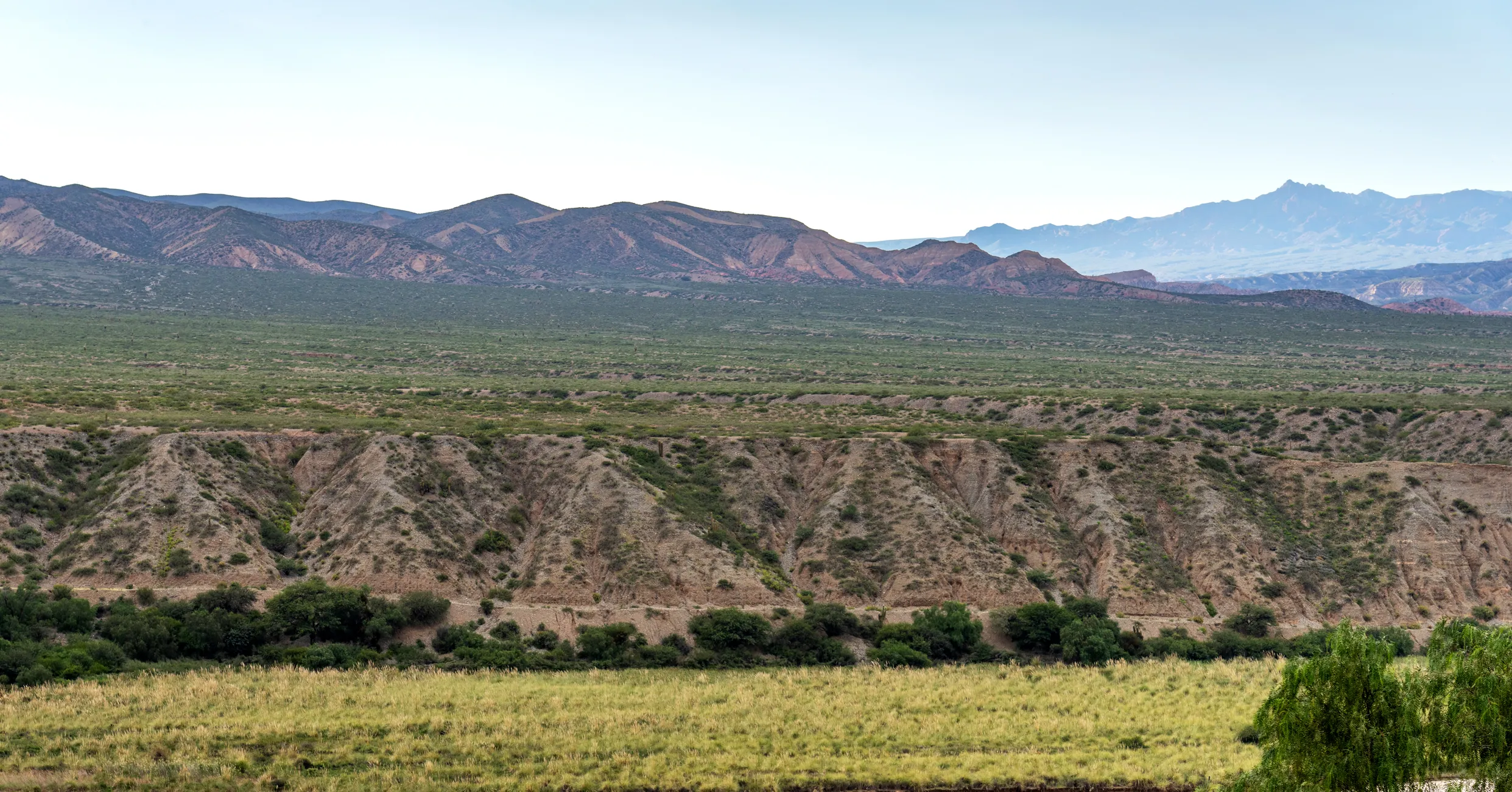
The driver of the current boom is a shift from years of intense drought to a wetter cycle beginning in 2025 with the arrival of El Niño. Central Argentina saw above-average rainfall after years of drought, while Patagonia experienced uneven patterns with wetter conditions in some Andean areas but persistent precipitation deficits elsewhere. These shifts have boosted vegetation growth and expanded food availability for rodents, creating conditions that favour survival and reproduction.
The Patagonian long-tailed pygmy rice rat (Oligoryzomys longicaudatus) is the main reservoir for the Andes virus, which is capable of spreading from rodents to humans and between humans. Long-tailed pygmy rice rats are climbers that can move more than 2 meters high in trees, affecting virus persistence in enclosed environments versus exposure to ultraviolet radiation. This person-to-person transmission is what makes outbreaks possible, according to Raúl González Ittig, an expert in population genetics and evolution at the National University of Córdoba.
Experts warn that changing ecological conditions, land-use changes, and human expansion into natural environments are expanding the geographic risk and facilitating person-to-person transmission of the virus. Scientists are increasingly finding Oligoryzomys rodents in landscapes heavily altered by agriculture, such as wheat fields in Córdoba, indicating the rodents' adaptability to human-modified environments. Researchers have also identified hantavirus variants in Argentina previously only documented in neighboring countries, such as the Alto Paraguay strain associated with the Chacoan marsh rat.
There is no vaccine for the strains of hantavirus in the Americas, making prevention and epidemiological surveillance key. Tracking viral circulation before human cases appear and expanding prevention campaigns in regions outside Patagonia, where hantavirus has traditionally received far less public attention, can help reduce the spread of the disease. Episodes such as the MV Hondius outbreak no longer appear as isolated anomalies, but as part of an increasingly intense interaction between climate, wildlife, and human activity.