Climate-driven mosquito expansion exposes gaps in US public health surveillance
Connecticut’s statewide program detects West Nile and invasive species, while New York considers legislation to replace patchwork county systems with centralized oversight
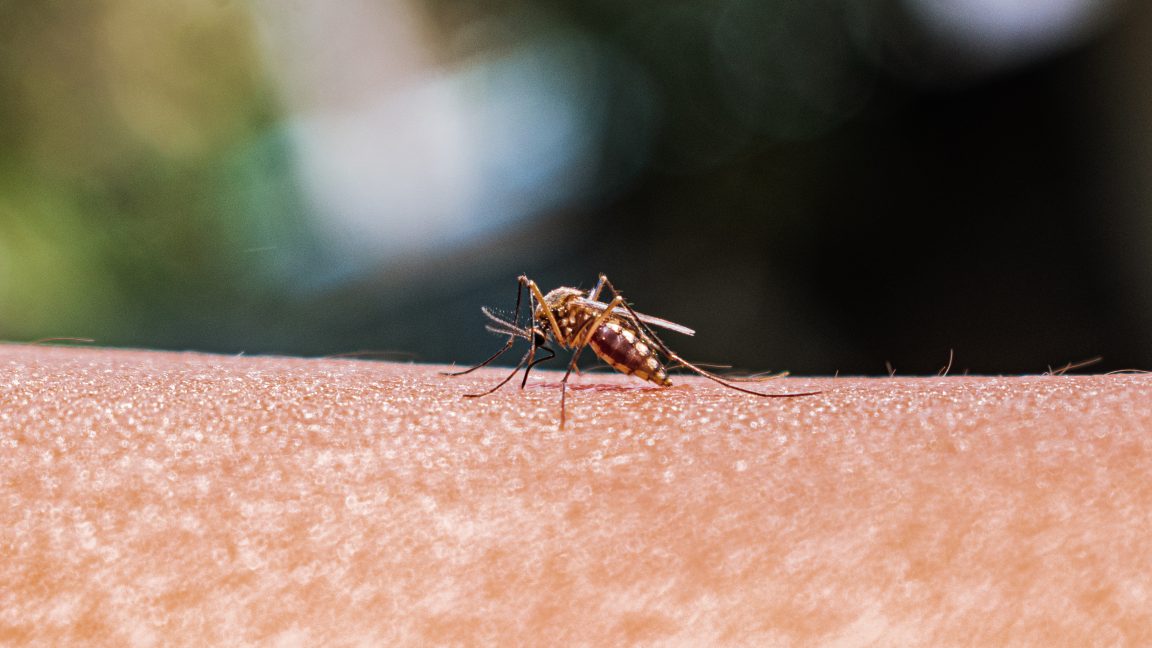
Rising temperatures and changing precipitation patterns are driving disease-carrying mosquito species into historically temperate regions of the United States, prompting experts to call for urgent improvements in public health surveillance. As climate change alters habitats and extends transmission seasons, the geographic range of vectors capable of carrying viruses such as West Nile, dengue, and Zika is expanding northward. Scientists argue that current monitoring efforts, which are often fragmented and reactive, are insufficient to prevent outbreaks before they reach human populations.
Connecticut has demonstrated the efficacy of a coordinated statewide approach. The Connecticut Agricultural Experiment Station, which coordinates the state’s trapping and testing program, has detected 54 mosquito species, including the invasive Asian tiger mosquito. Philip Armstrong, chief scientist at the station, noted that testing is essential to identify viral hotspots. The state recently confirmed West Nile virus cases for the current season, marking the leading cause of mosquito-borne disease in the Northeast. The state also established its program to monitor for Eastern equine encephalitis, a rare but serious disease with a high fatality rate, which is now showing cycles of increased activity in New England.
In contrast, much of the United States relies on a patchwork of more than 1,000 local mosquito control agencies. Dan Markowski of the American Mosquito Control Association, a nonprofit dedicated to reducing vector-borne diseases, stated that the US requires a national surveillance database to share information effectively. However, he emphasized that such infrastructure is contingent on funding, noting that the financial burden remains a significant barrier to comprehensive oversight. Without centralized coordination, many local programs struggle with inconsistent practices and limited resources.
The logistical challenges of monitoring are evident in New York, where a statewide program does not exist. Brian Leydet of the State University of New York College of Environmental Science and Forestry helped establish a monitoring initiative in St. Lawrence County in 2024 following an Eastern equine encephalitis outbreak. The team faced supply chain issues, including a shortage of dry ice required to attract mosquitoes, forcing them to produce their own. Leydet highlighted that many counties lack the budget and infrastructure for regular testing, leading to a system where invasive species can go undetected.
To address these deficiencies, a bill has been introduced in the New York State Legislature to replace the current county-level system with a comprehensive statewide program. The legislation aims to move away from what it describes as a sparse and disintegrated network toward proactive measures such as targeted larvicide application and public warnings. While experts agree that centralization is a critical step, they caution that sustained funding and inter-agency communication remain essential to managing the evolving risks posed by climate change.
