Circle secures $222 million for Arc token presale with backing from BlackRock and a16z
The stablecoin issuer has attracted significant interest from asset managers and venture capitalists for its programmable payment token.
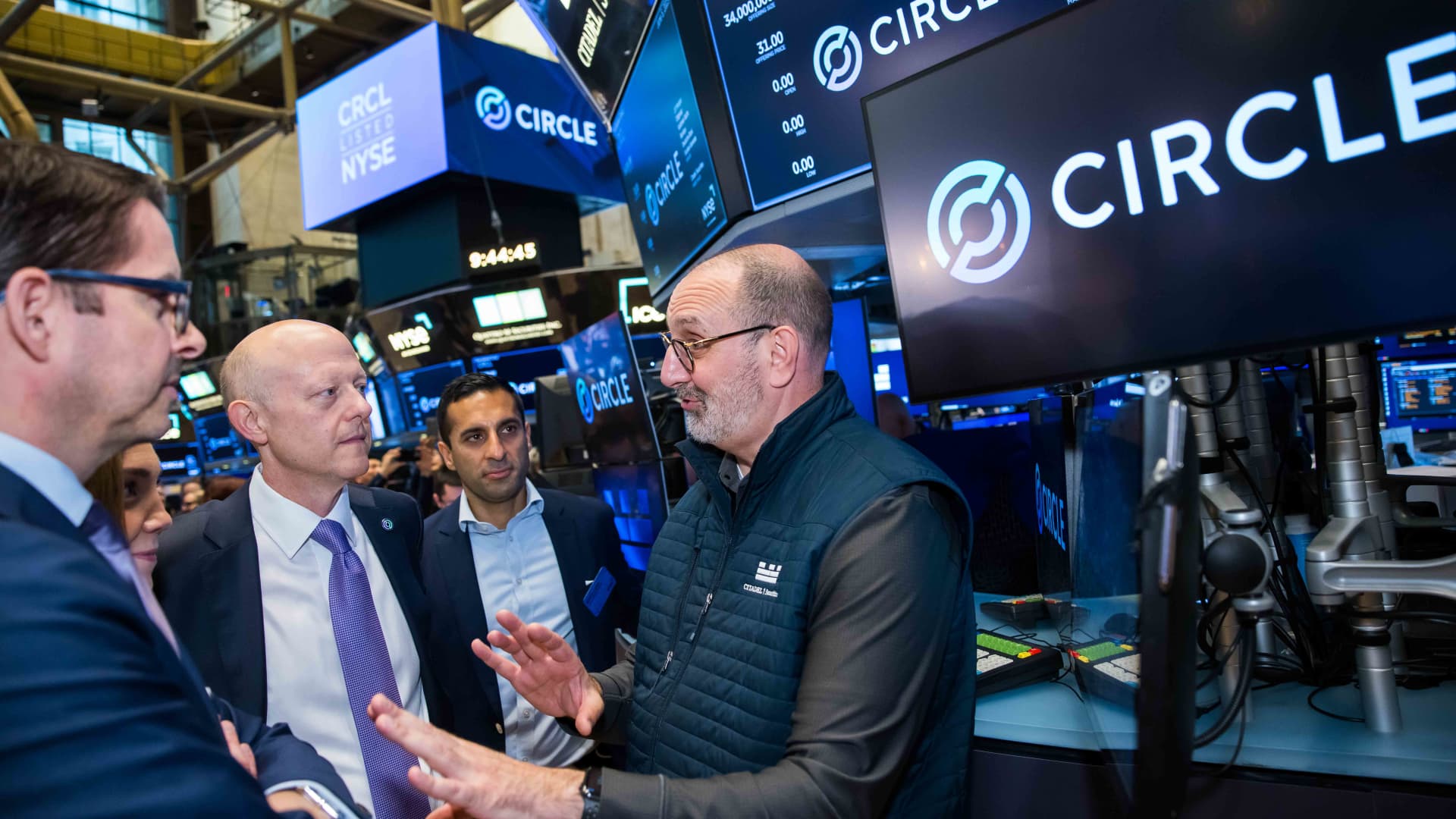
Circle has successfully closed a funding round for its Arc token presale, securing $222 million from a consortium of prominent institutional investors. The deal, which values the presale at $3 billion, marks a significant capital injection for the issuer of the US dollar-pegged stablecoin USDC.
Andreessen Horowitz acted as the lead investor in the transaction, committing $75 million to the round. The venture capital firm's substantial stake underscores the growing appetite among top-tier investors for Circle's blockchain infrastructure designed to facilitate programmable payments.
Joining Andreessen Horowitz in the investment group are major asset managers BlackRock and Apollo Funds. Their participation alongside the Silicon Valley tech investor highlights a broadening coalition of traditional finance and venture capital supporting the development of the Arc ecosystem.
The Arc token is intended to serve as a foundational element for financial services built on the blockchain, aiming to streamline payment processing and settlement. By raising this capital, Circle aims to accelerate the deployment of these tools while leveraging the credibility of its high-profile backers.
While the funding round has been confirmed, details regarding the specific timeline for the full launch or distribution of the Arc token remain unconfirmed at this stage. Market participants will be watching closely to see how the issuer plans to deploy the raised capital to meet the $3 billion valuation target.
The involvement of established institutions like BlackRock and Apollo Funds may also bring attention to the regulatory status of the Arc token across various jurisdictions. As traditional financial giants enter the space, the interplay between innovation and compliance will likely be a key focus for the coming months.
This financing activity reflects a broader trend of institutional capital moving into technology and digital asset sectors. The deal signals that major players continue to view blockchain-based payment solutions as a viable avenue for future investment and growth.