Church team runs two genetic codes in parallel, bypassing genome-wide edits
A new method allows two distinct translation systems to operate simultaneously in a cell-free environment, potentially accelerating synthetic biology without re-engineering every gene in an organism.
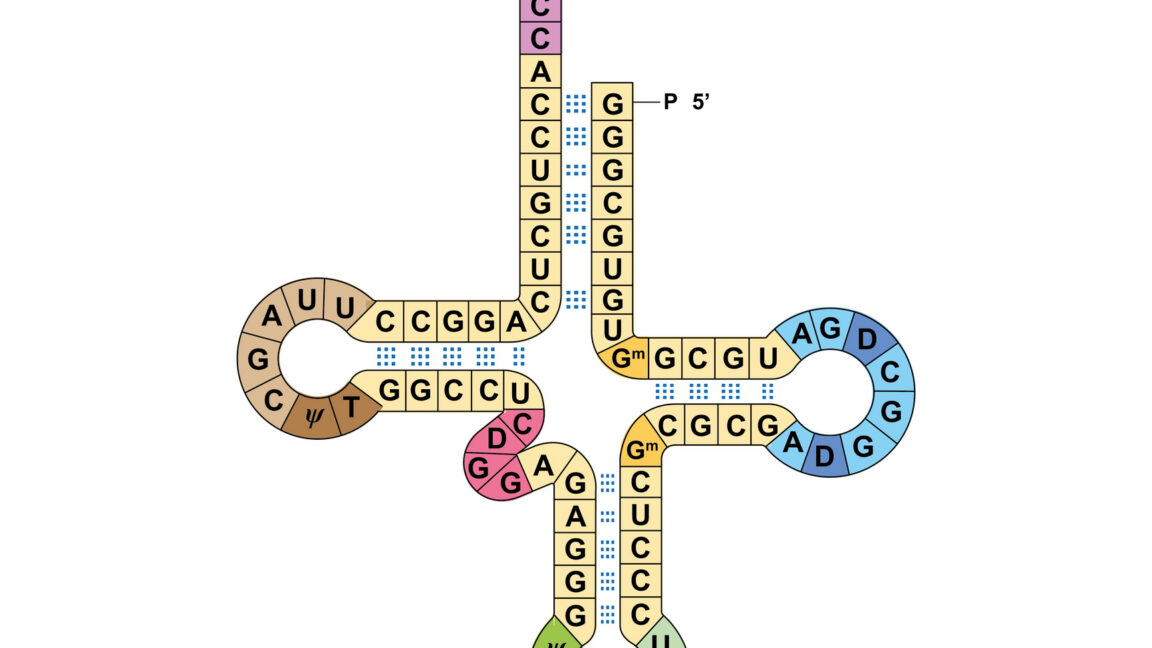
Researchers led by synthetic biologist George Church have demonstrated a method to operate two separate genetic codes simultaneously within a cell-free system. The study, published in Nature, details a technique that modifies specific sequences on transfer RNAs and ribosomes to create two distinct populations of these molecules. Each population is compatible only with a specific genetic code, allowing them to function independently without interfering with one another.
The standard genetic code is nearly universal across life on Earth, making it difficult to alter because every protein in a cell depends on it. Previous attempts to modify genetic codes, such as adding new amino acids, have often required re-engineering every single gene in a bacterial genome to compensate for the changes. The new approach avoids this extensive workload, potentially accelerating synthetic biology work by allowing a second code to operate alongside the standard one.
To achieve this, the team exploited the base-pairing sequences between transfer RNAs and ribosomes. By altering a small, non-critical sequence on the transfer RNA and making a corresponding change to the ribosome, the researchers created two distinct systems. One population of transfer RNAs interacts only with normal ribosomes, while the other interacts exclusively with a separate population of engineered ribosomes.
A significant challenge was determining whether the modified transfer RNAs could still be "charged" with amino acids. The team developed a novel method involving cell-free translation, robotics, next-generation sequencing, and analytical chemistry to answer this question. Results showed that most modified transfer RNAs could be charged, though typically at lower efficiency than standard transfer RNAs, with some sequence changes being better tolerated than others.
In the experimental mixture, the researchers designed a specific messenger RNA that could be translated by both genetic codes. The system successfully produced two different proteins, confirming that parallel genetic codes can function without cross-interference. This demonstrates that the alternative ribosomes and transfer RNAs can latch onto the same messenger RNA but use different codes to build distinct protein sequences.
However, the system has only been tested in a cell-free mixture of proteins and chemicals, not in actual living cells. It remains unclear how the alternative ribosomes would behave in a cellular environment, as they might translate standard messenger RNAs using the wrong code, potentially producing malformed proteins that could interfere with normal processes or even kill the cell.