Chinese study links Denisovan interbreeding with Homo erectus via ancient tooth proteins
Researchers identify a specific ameloblastin mutation in Denisovan specimens that matches Homo erectus variants, now found in over 20 percent of populations in the Philippines and India.
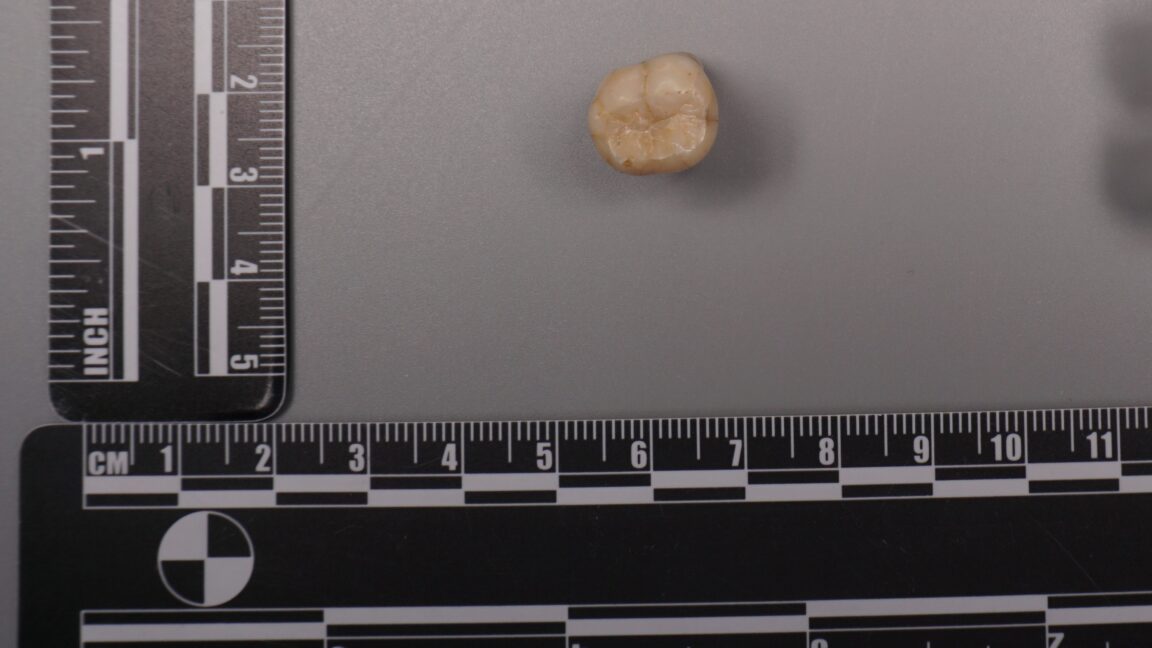
Chinese researchers have utilised ancient protein analysis to suggest that Denisovans interbred with Homo erectus, subsequently passing specific genetic variants to modern humans. The study, published in Nature in May 2026, examined enamel proteins from 400,000-year-old Homo erectus teeth and a Denisovan specimen from Harbin to trace the lineage of a distinct genetic mutation.
The research team isolated fragments of six to 11 enamel proteins from five Homo erectus samples and one Denisovan sample. They identified two distinct differences in the protein ameloblastin in Homo erectus that are not found in modern humans. One of these differences, a specific mutation in ameloblastin, was found in the Harbin Denisovan sample.
This same mutation is present in the genomes of many modern human populations, including over 20 percent of populations in the Philippines and India. The study suggests that the presence of this mutation in modern humans is likely due to inheritance from Denisovans, who had previously interbred with Homo erectus.
Ancient DNA degrades rapidly over time, limiting the ability to sequence genomes from very old specimens. Proteins, particularly in robust structures like tooth enamel, can survive longer than DNA, allowing for analysis of specimens up to 2 million years old. Previous genomic studies of Denisovans had suggested they interbred with an earlier, unidentified human group, but the identity of this group remained unknown.
Homo erectus is an earlier human species that left Africa over a million years ago and spread throughout Eurasia. The findings resolve a long-standing question regarding the identity of the earlier human group with which Denisovans interbred, utilising protein analysis to overcome the limitations of degraded ancient DNA.
