Chinese firms target Western brands to counter domestic deflation
Financial Times reports that Chinese companies are pursuing deals for Western consumer labels to offset intense local competition and deflationary pressures at home.
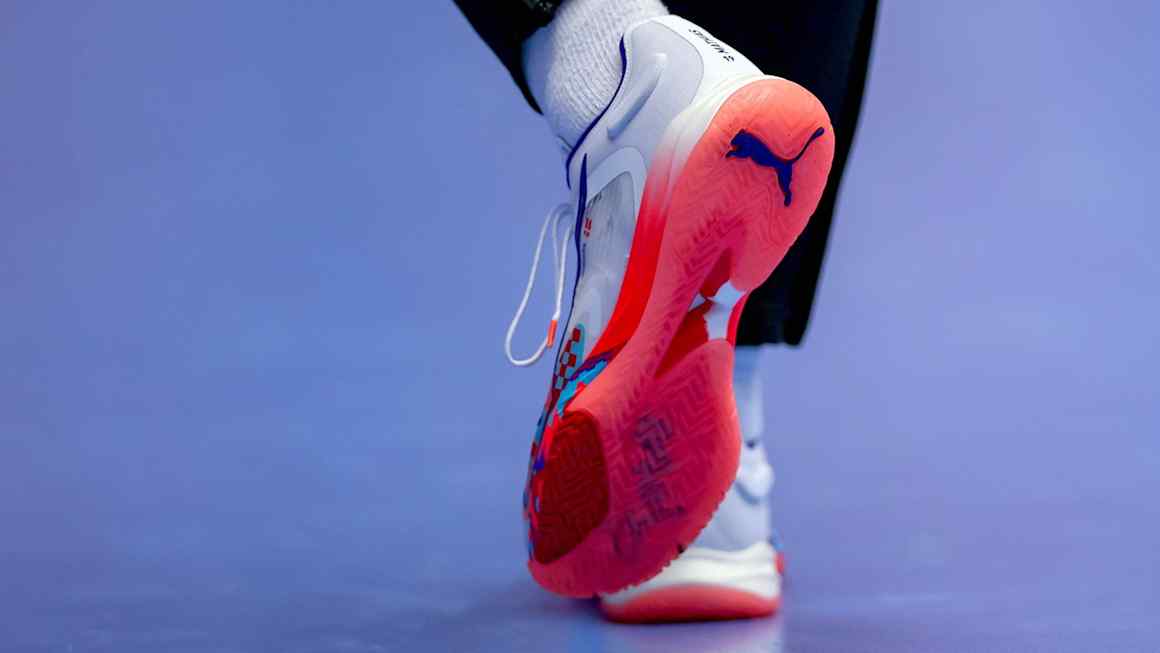
Chinese enterprises are actively pursuing acquisitions of Western consumer brands, with reports identifying Everlane and Puma as specific targets. This strategic pivot is driven by the need to secure overseas growth in a domestic market characterised by intense competition and deflationary pressures.
According to the Financial Times, these deals represent a broader effort by Chinese firms to expand their footprint abroad. The move comes as local companies face significant headwinds at home, prompting a search for revenue streams and brand equity in international markets.
The acquisition activity coincides with a period of heightened geopolitical engagement. US President Donald Trump and Chinese President Xi Jinping have commenced a two-day summit in Beijing, focusing on trade, artificial intelligence, and tensions in the Strait of Hormuz.
Market reactions to the diplomatic developments have been positive. US stock markets rose on Thursday, with the Dow Jones Industrial Average gaining 0.8 per cent, the S&P 500 rising 0.3 per cent, and the Nasdaq Composite climbing 0.2 per cent.
Investor sentiment was further buoyed by news that the US approved H200 chip sales to Chinese firms. Nvidia shares surged more than 2 per cent following the announcement, reflecting optimism around the resolution of certain trade restrictions.
The Beijing summit also features high-profile attendance from US technology leaders, including Elon Musk, Tim Cook, and Jensen Huang. Their presence underscores the economic stakes involved in the ongoing dialogue between the two nations.
While the Financial Times highlights the strategic intent behind the brand acquisitions, specific financial terms and the identities of the Chinese acquiring entities have not been disclosed. It remains unclear whether the deals for Everlane and Puma have been finalised or are still in negotiation.