Chinese EV surge challenges US market as political barriers clash with consumer demand
While lawmakers from both major parties impose tariffs and restrict software to protect national security and local jobs, rising US vehicle prices and financing costs are driving online sentiment toward Chinese electric vehicles.
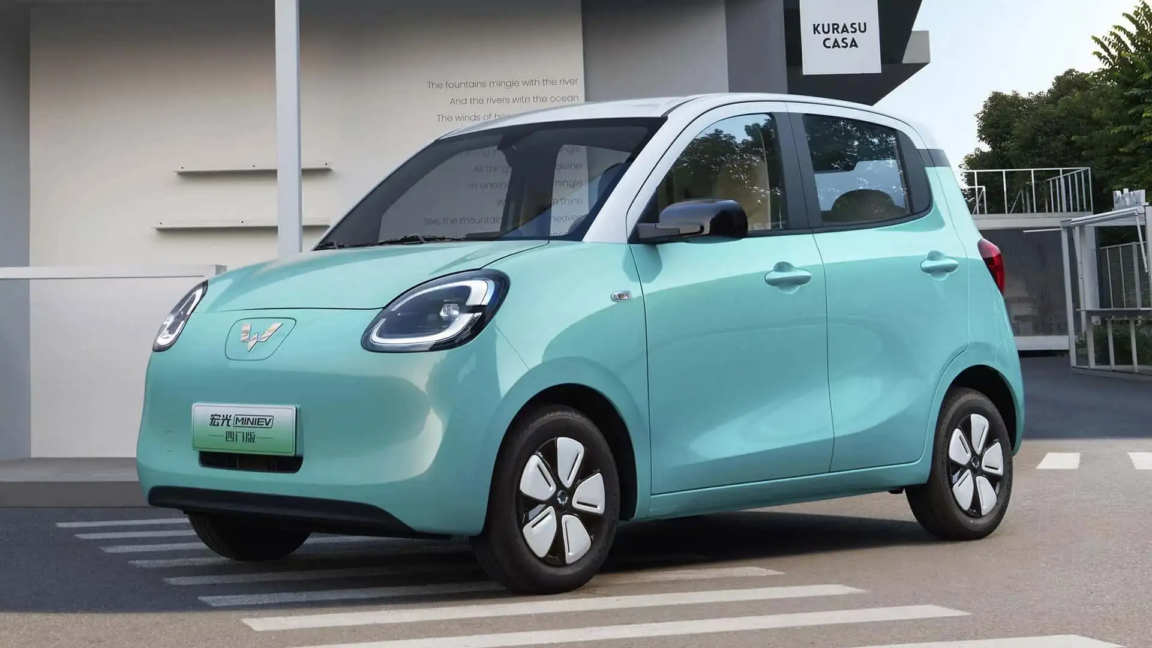
A significant shift is occurring in the global automotive landscape as Chinese electric vehicles (EVs) dominate export markets, driven by competitive pricing, advanced manufacturing, and government subsidies. Ars Technica reports that while US political leaders and industry executives strongly oppose these imports, citing national security risks and economic protectionism, there is a growing appetite among US consumers for these vehicles due to high domestic prices and elevated financing costs.
The political opposition to Chinese EVs has been bipartisan, with tariffs levied under both the Biden and Trump administrations, alongside legislation restricting Chinese-linked connected car software. More than 70 Democratic representatives have recently called for maintaining these barriers, arguing they are essential for national security and economic stability. However, this stance appears increasingly out of step with popular sentiment, as online discussions and social media trends indicate a strong desire for affordable alternatives to the expensive domestic inventory.
The economic pressure on US buyers is a key driver of this sentiment. The average price of a new vehicle in the US rose to $50,326 by the end of 2025, a sharp increase from previous years. With interest rates no longer near zero, financed purchases feel more expensive than raw inflation statistics suggest, prompting many buyers to extend loan terms to 72 or 84 months. In this context, headlines suggesting that the average US car buyer could purchase five new Chinese EVs for the price of one domestic vehicle reinforce the appeal of imports.
Chinese manufacturers hold distinct advantages that US rivals find difficult to match, including average wages that are a quarter of those in the US and the ability to utilise lower overheads. Industry leaders have voiced alarm at these dynamics; Ford CEO Jim Farley noted that China's excess manufacturing capacity could easily absorb the entire US market, while Toyota's outgoing CEO warned that Japanese automakers face obsolescence without matching the speed of Chinese innovation.
Despite the political noise, the article highlights specific technical and strategic concerns regarding these imports. Ars Technica notes that while Chinese EVs boast advanced AI features and natural-language navigation, their range numbers are often based on the CLTC testing standard, which differs significantly from the EPA standards used in the US. Furthermore, the market is seeing a shift from hardware-focused features to AI-integrated systems, raising questions about data privacy and the reliance on touchscreens versus physical controls.
The price advantage of Chinese vehicles is also attributed to a period of government-incentivised overproduction that has largely subsided, though excess capacity remains a significant issue. With China capable of building approximately 45 million cars a year against domestic sales of fewer than half that figure, the flood of exports is a commercial strategy rather than an altruistic one. Ars Technica points out that once these vehicles are spec'd to meet European or US expectations, their prices can rise significantly, though they remain cheaper than established alternatives in many markets.
