Chinese Automakers Lead Global Shift to AI-Native Vehicles and Drive-By-Wire at Beijing Auto Show
From XPeng's Level 4 autonomous SUV to Geely's steering-wheel-free robotaxi, the event highlights how domestic manufacturers are now supplying the core intelligence and powertrain technology for international giants.
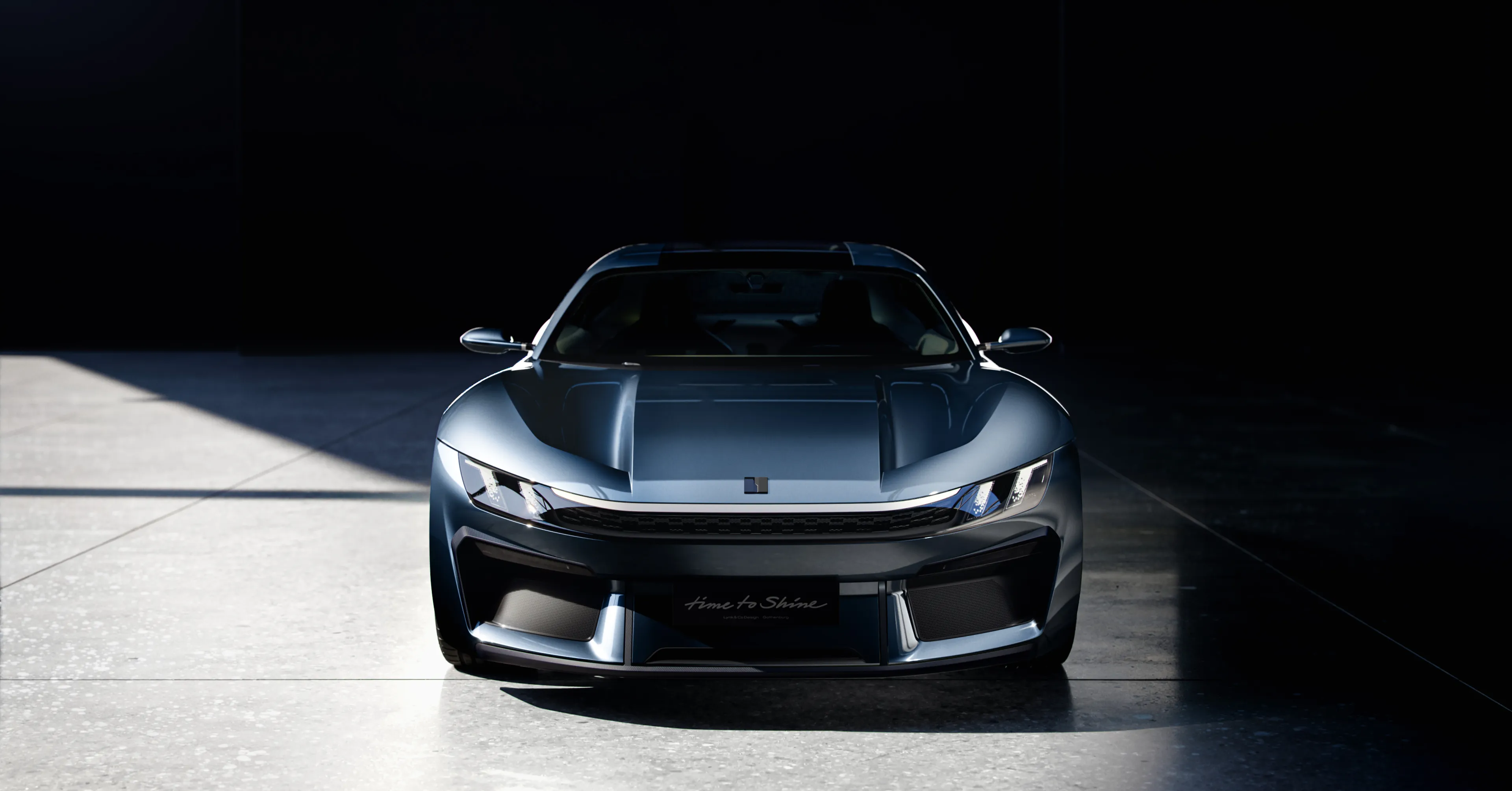
The 2026 Beijing International Automotive Exhibition concluded as the largest motor show in history, featuring 1,451 vehicles and 181 world premieres. While the sheer scale of the event reflects the shifting centre of gravity in the global automotive industry, the true significance lies in a deeper structural transformation within the Chinese sector. Manufacturers are moving decisively beyond competing solely on low-priced electric vehicles to establish leadership in artificial intelligence, advanced driver-assistance systems, and high-performance electrification.
A defining trend at the show was the widespread adoption of drive-by-wire technology, which replaces traditional mechanical steering and hydraulic braking with electrical signals. This innovation is being integrated into vehicles ranging from affordable city cars to flagship SUVs. For instance, Li Auto's L9 Livis and IM Motors' LS8 both utilise this system, with the latter offering these advanced features at a price point significantly lower than previous high-end models. This rapid democratisation of hardware suggests that the regulatory framework in China, updated in January 2026, is enabling a speed of innovation that traditional markets have not yet matched.
The concept of the AI-native vehicle, designed from the ground up for autonomy rather than having technology retrofitted, emerged as a key differentiator. XPeng Motors unveiled its AI-native GX SUV, which integrates proprietary AI chips to deliver Level 4 autonomous driving capabilities. The significance of this development was underscored when Volkswagen Group announced its adoption of XPeng's AI chips and driver-assistance technology for its own EVs, marking a strategic pivot where a Chinese manufacturer is now supplying the core intelligence platform for Europe's largest automaker.
International brands are increasingly relying on Chinese supply chains for critical components, including powertrains, smart cockpits, and AI models. Toyota, for example, unveiled a new EV specifically for the Chinese market that incorporates a Huawei powertrain and smart cockpit operating system, alongside Momenta driver-assistance systems. Similarly, Hyundai's Ioniq V in China employs a standardised technological foundation involving Contemporary Amperex Technology batteries and LLMs from ByteDance and Baidu. This convergence indicates that the competitive landscape for foreign manufacturers in China has become dependent on local technological ecosystems.
Beyond mass-market innovations, the exhibition showcased hypercar concepts that challenge the perception of Chinese engineering. Xiaomi revealed the Vision Gran Turismo, an electric concept designed for a racing video game, while BYD's Denza Z Convertible, supervised by a former Audi design head, demonstrated performance rivaling European supercars. These developments signal that the industry is no longer defined by a simplistic dichotomy of cheap domestic cars versus high-end European imports.
The event also featured ambitious concepts such as a six-wheeled range-extended EV capable of transporting a foldable eVTOL aircraft, and Geely's EVA Cab, a minivan designed without a steering wheel or pedals for fully autonomous ride-hailing services. As Chinese manufacturers continue to expand their exhibition footprint, the focus remains firmly on technological leadership and the integration of intelligence into every aspect of vehicle design and operation.
