China’s Q2 GDP Growth Slows to 4.3%, Missing Full-Year Targets
Second-quarter figures fall short of the government’s 4.5% to 5% annual target, marking the least ambitious growth goal set in decades amid broader geopolitical and trade tensions.
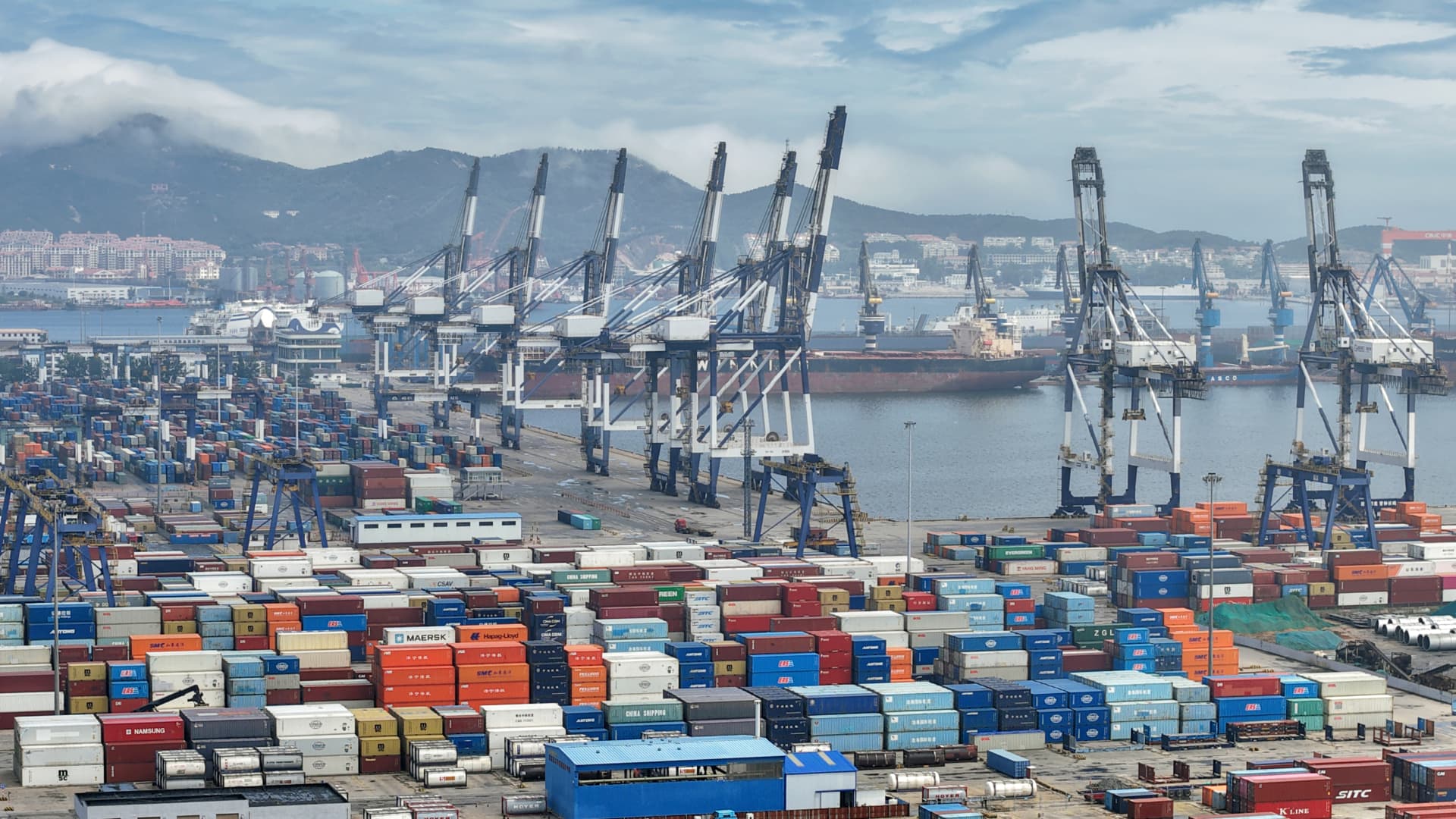
China reported second-quarter GDP growth of 4.3% for 2026, a figure that missed market expectations and signalled a deceleration in economic momentum. According to data reported by CNBC, this represents the slowest pace of expansion recorded since 2022, highlighting persistent challenges within the world’s second-largest economy.
The quarterly growth rate falls below the Chinese government’s full-year target range of 4.5% to 5%. This target range has been characterised as the least ambitious growth goal set by Beijing in decades, reflecting a shift in policy priorities towards stability over rapid acceleration. The miss suggests that domestic demand and investment may require further support to meet the annualised objectives.
The economic data emerges against a backdrop of complex geopolitical dynamics and ongoing trade considerations. In recent months, US and Chinese leaders held a summit in Beijing attended by major US technology CEOs, including Elon Musk, Tim Cook, and Jensen Huang. Discussions at the summit centred on trade relations, artificial intelligence development, and regional security issues such as the Strait of Hormuz.
While the GDP figure provides a clear snapshot of macroeconomic performance, specific sectoral drivers behind the 4.3% growth rate were not detailed in the initial reporting. The slowdown comes as global markets navigate uncertainties related to international trade policies and technological competition, factors that continue to influence investor sentiment towards Chinese assets.
The divergence between the Q2 performance and the annual target underscores the difficulty Beijing faces in balancing structural economic reforms with growth maintenance. As the year progresses, attention will likely turn to subsequent policy measures aimed at stimulating domestic consumption and stabilising key industries to bridge the gap between current performance and official expectations.