China’s import slump masks looming oil price surge despite Hormuz closure
Crude stabilises at $94 a barrel, far below the $200 predictions made at the onset of the Iran conflict, as Beijing cuts imports to a decade low
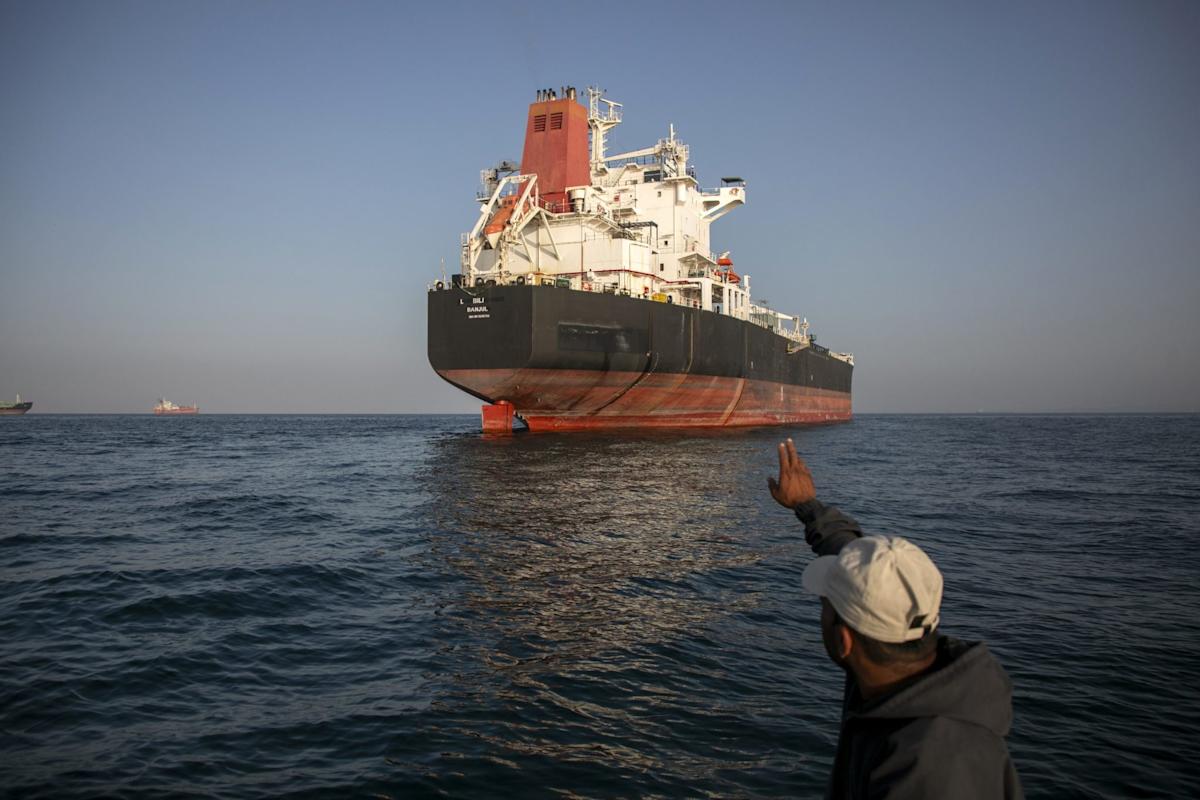
Oil prices have remained remarkably calm at approximately $94 a barrel, significantly lower than the grim predictions of a surge above $200 made in the early days of the conflict in Iran. According to a note from JPMorgan analysts, the market has defied expectations of a crisis of greater magnitude, largely due to China’s sharp reduction in crude oil imports. This stability persists despite the effective closure of the Strait of Hormuz, which has disrupted about 20% of the world’s oil supply for four months.
China’s crude import volumes fell to 7.8 million barrels a day in May, down from a five-year average of 11 million barrels a day. This decline represents the lowest import levels in nearly a decade and accounts for approximately 74% of the global decrease in crude trade. JPMorgan analysts noted that this trade activity has effectively shielded prices from the volatility that many had forecast, keeping Wednesday’s price point well below the $104 recorded a month prior.
The market’s resilience has been further supported by China’s utilisation of its strategic oil reserves, which total an estimated 1.4 billion barrels. Societe Generale analysts, led by Mike Haigh, identified China as the market’s “key rebalancing force.” They highlighted that the current 14% loss in global crude supply has increased prices by only about 30%, a stark contrast to the 1973 OPEC embargo, where a 7% supply disruption caused prices to rise by more than 130%.
However, analysts warn that this price suppression is likely temporary. Michal Meidan of the Oxford Institute for Energy Studies questioned the thresholds for China’s strategic reserve usage, noting that the country learned a hard lesson during the energy crisis of late 2021. Meidan raised critical questions regarding how low imports and refinery runs can go before China must tap into stocks more meaningfully or resume crude buying at higher costs, as well as the extent to which coal-to-chemicals processes can offset losses in oil-based chemicals.
Societe Generale noted counterbalancing variables, including the US willingness to continue oil exports and evidence that shipping passage through the Strait of Hormuz may be greater than initially estimated. Despite these factors, Haigh warned that energy costs will not remain depressed if the conflict continues. He stated that the market will require higher prices to restore balance, as strategic reserves need rebuilding and new production requires stronger returns to move forward.