China’s crude import pause nearing limit as inventories dwindle
Data from Kpler shows May imports falling to 6.78 million barrels per day, the lowest in nearly a decade, as independent refiners face supply constraints ahead of US sanction waivers.
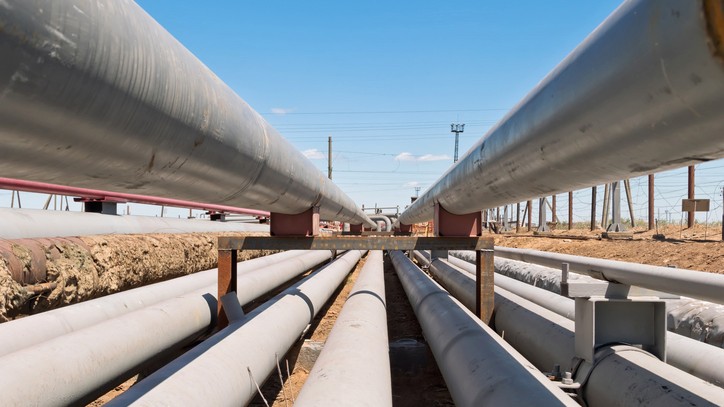
China’s strategy of stabilising domestic energy supply by drawing down massive strategic inventories rather than aggressively importing crude is approaching its limit, according to new data from Kpler. The world’s largest oil importer has reduced overseas purchases in response to price surges driven by the conflict between the United States, Israel, and Iran. Consequently, Chinese crude imports fell to an estimated 6.78 million barrels per day in May, marking the lowest monthly figure in nearly a decade and a significant decline from the 8.5 million barrels per day recorded in April.
This reduction represents a sharp departure from the 2025 average of 10.66 million barrels per day. Kpler’s senior crude oil analyst Muyu Xu noted that imports have dropped more substantially than refinery run rates, indicating that refiners are increasingly relying on existing stockpiles to meet demand. Refinery processing rates are currently averaging 13.5 million barrels daily, a decrease of 154,000 barrels from April and over 1.9 million barrels from 2025 levels. Despite this slowdown, domestic consumption of oil products remains resilient, preventing a sharp collapse in demand.
The drawdown of reserves has been substantial, with estimates suggesting China held over 1 billion barrels in inventory before the escalation of Middle East tensions. Even as imports fell by 20 per cent year-on-year in April, refiners continued to add between 430,000 and 580,000 barrels per day to storage, according to data cited by Reuters and Vortexa. This buffer was viewed as sufficient to last approximately four months, having been accumulated over two decades to reduce dependence on maritime oil flows, particularly from Russia and Iran.
However, the window for this inventory-led strategy is closing. Kpler warns that some independent Chinese refiners, known as teapots, may exhaust their crude supplies by early June. These smaller operators face a constrained supplier landscape due to a 22.5 per cent retaliatory tariff on US crude and restrictions on Venezuelan oil purchases. Furthermore, the US sanction waiver for Russian crude, which only covers oil loaded before 17 April, is set to expire around mid-June, intensifying competition for available barrels with India.
Analysts predict that Chinese buyers will be forced to return to global markets to replenish stocks before inventories reach critical levels. This rebound is expected to coincide with the peak of the Middle East crisis, which the International Energy Agency has identified as a red zone for supply risks in July or August. The resurgence of demand from China may occur against a backdrop of limited supplier options and heightened geopolitical volatility, potentially triggering a sharp price correction in an already bearish market.