China-US Summit Focuses on Strait of Hormuz Stability as Exporters Shift Focus from Tariffs
Beijing and Washington prepare to reaffirm commitments to reopen the critical shipping lane, while Chinese exporters prioritise geopolitical risks over trade policy concerns ahead of the Trump-Xi talks.
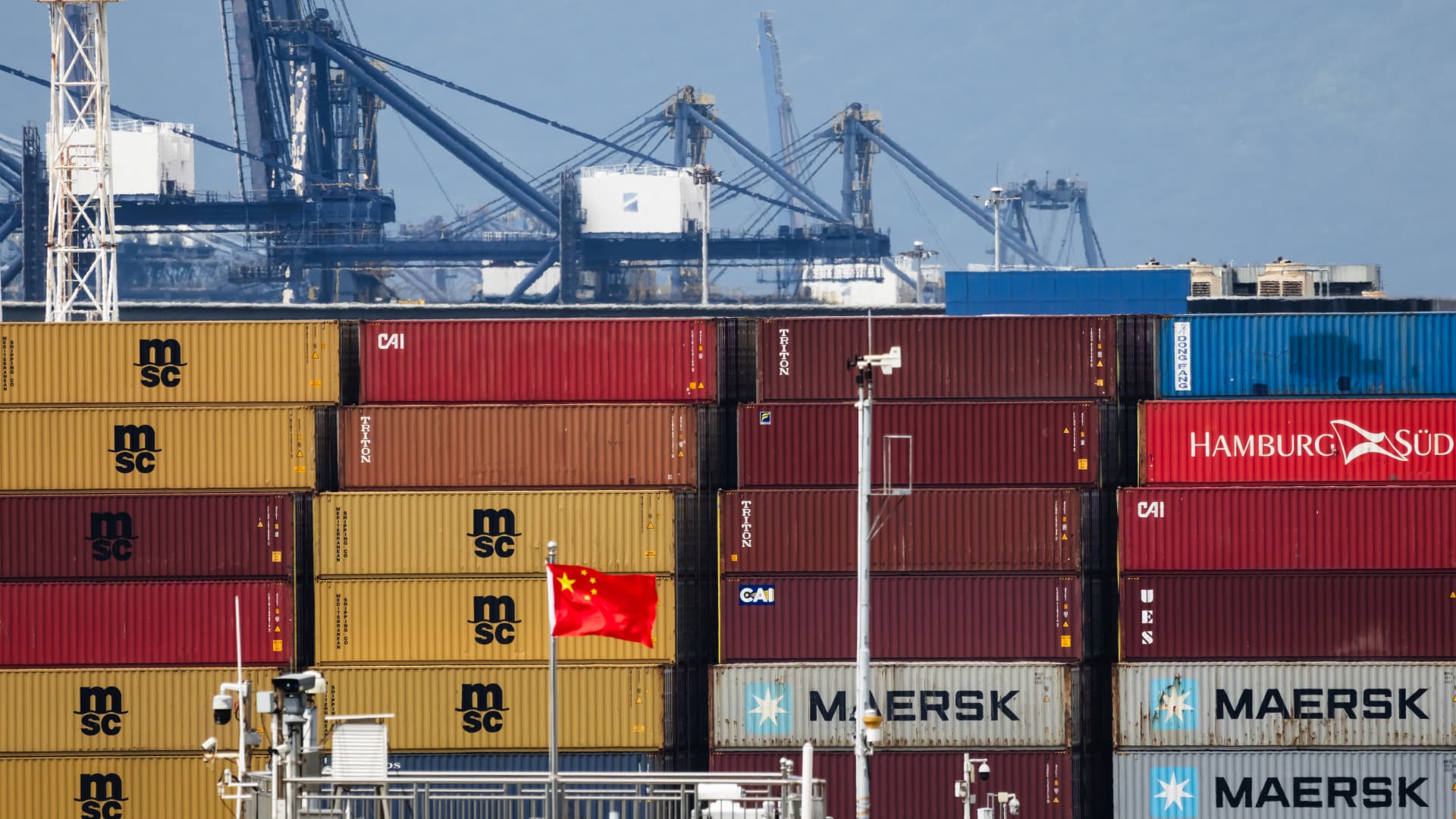
Chinese exporters are placing greater emphasis on geopolitical risks associated with Iran than on potential tariff adjustments as President Donald Trump arrives in China for diplomatic meetings with President Xi Jinping. According to reports from CNBC, the primary concern for Chinese trade interests has shifted away from traditional tariff anxieties, with the situation in Iran currently outweighing worries about trade policy.
Ahead of the summit, Beijing and Washington are expected to reaffirm their shared intention to reopen the Strait of Hormuz and restore regional stability. This diplomatic effort comes against a backdrop of intensifying violence in the Middle East, including recent Israeli strikes on south Lebanon. Reports indicate a grim casualty toll in Beirut, with 380 deaths recorded since a ceasefire took effect on 17 April.
The United States is prioritising the halting of Iran's nuclear programme, with President Trump dismissing domestic economic pain to focus on this objective. International involvement in securing the region's stability is also expanding, with Britain contributing autonomous mine-hunting equipment, Typhoon fighter jets, and the warship HMS Dragon to a multinational defensive mission aimed at securing shipping lanes in the Strait of Hormuz.
In a separate domestic development affecting US financial institutions, the Justice Department has dropped a criminal probe into Federal Reserve Chair Jerome Powell. The inquiry, which concerned cost overruns in renovations of the Fed's Washington headquarters, has been transferred to the Fed's Office of Inspector General. This decision removes a legal obstacle to the confirmation of Kevin Warsh as the central bank's next head.
While the exact outcomes of the Trump-Xi summit remain unconfirmed, reports indicate an expectation of reaffirmation rather than a finalised agreement. The specific impact of Iranian tensions on Chinese export volumes is not quantified in the source material, but the shift in exporter sentiment highlights the growing weight of regional security issues in trade calculations.