China tightens grip on AI talent and capital amid Manus-Meta probe
Beijing mandates government approval for overseas travel by leading researchers and executives, while Stanford data reveals the performance gap with US models has narrowed to 2.7 per cent.
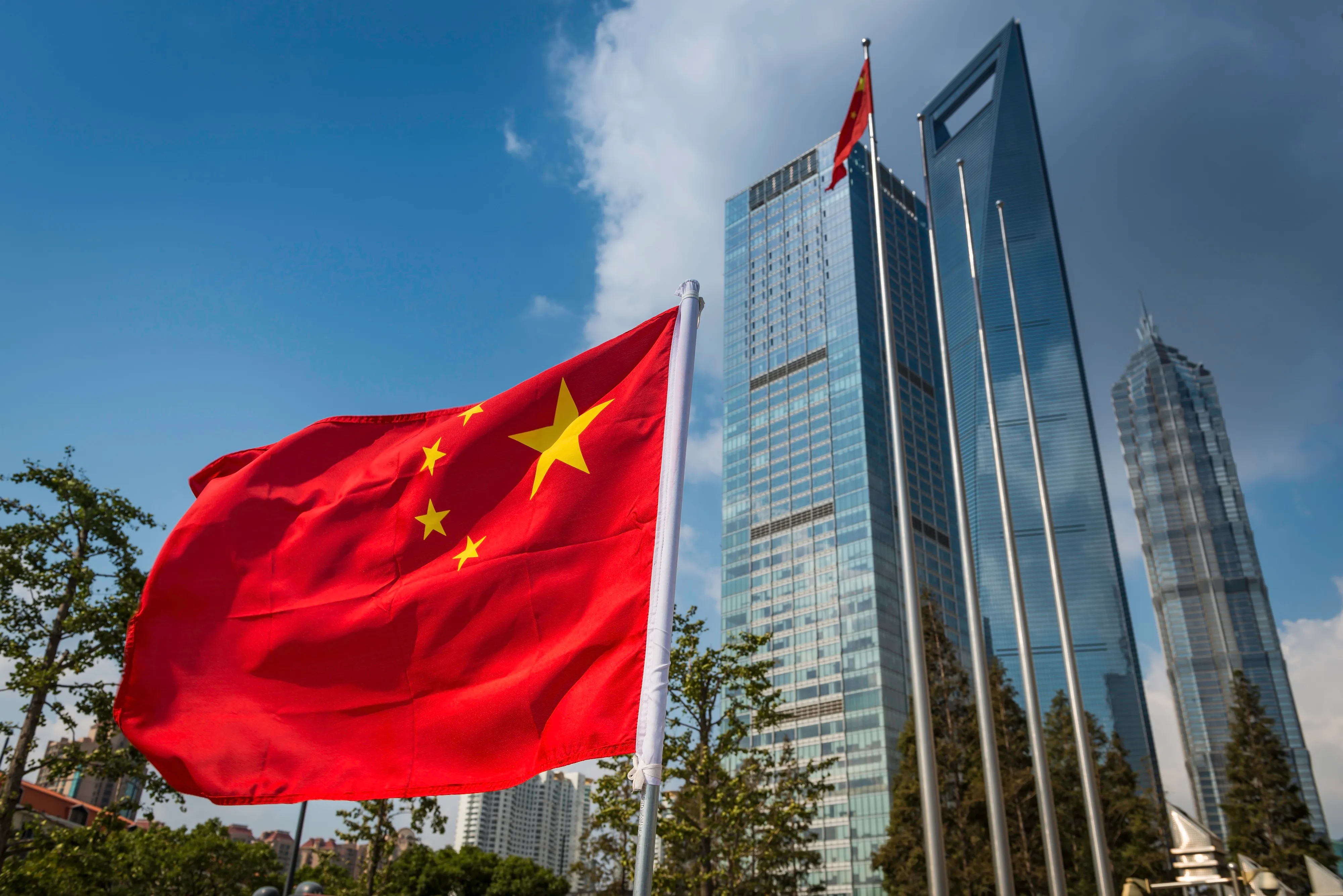
China is implementing stricter controls on the movement of its leading artificial intelligence researchers, startup founders, and executives, requiring government approval for overseas travel. This policy shift marks a significant escalation in how Beijing manages the retention of critical talent, reflecting a broader strategy to safeguard AI as both a primary economic asset and a national security priority. The restrictions apply to prominent figures in the industry, effectively closing borders to prevent the outflow of expertise that has become increasingly valuable in the global technology sector.
The tightening of travel protocols has intensified following the regulatory investigation into Meta’s proposed $2 billion acquisition of AI startup Manus. According to reports, the co-founders of Manus have been barred from leaving the country while regulators examine whether the deal violates Beijing’s foreign investment rules. In response to the scrutiny, the founders are reportedly exploring options to unwind the agreement, including raising approximately $1 billion from external investors to buy back the company from the social media giant.
Beijing is simultaneously expanding its oversight of foreign capital flowing into key domestic AI firms. Government sign-off is now required for major technology companies, including Moonshot AI, StepFun, and ByteDance, before they can accept American investment. This measure complements previous directives, such as those reported by the Wall Street Journal in March 2025, where authorities advised top AI founders and researchers to avoid travelling to the United States, signalling an early warning of the state’s intent to guard its technological advancements closely.
The regulatory clampdown coincides with data indicating a rapid narrowing of the technological divide between the East and the West. Stanford’s latest index, released in March 2026, shows that the performance gap between top US and Chinese AI models has shrunk to just 2.7 per cent, a dramatic reduction from the 31 per cent gap recorded in 2023. While the United States retains dominance in model quality and high-impact patents, China is fast catching up, and in some metrics such as publications, citations, and patent volume, may be outpacing American AI labs.
These talent and capital controls are part of a wider suite of economic countermeasures implemented by Beijing. In 2025, China imposed two rounds of export controls on 14 rare earth materials critical to high-tech military manufacturing. Additionally, state-funded data centres have been barred from deploying foreign AI chips, further isolating domestic infrastructure from external supply chains as the global AI race intensifies.