China and US coordinate to stabilise oil markets after Middle East shock
Beijing and Washington act to prevent further price spikes following disruptions linked to Iran and the Strait of Hormuz.
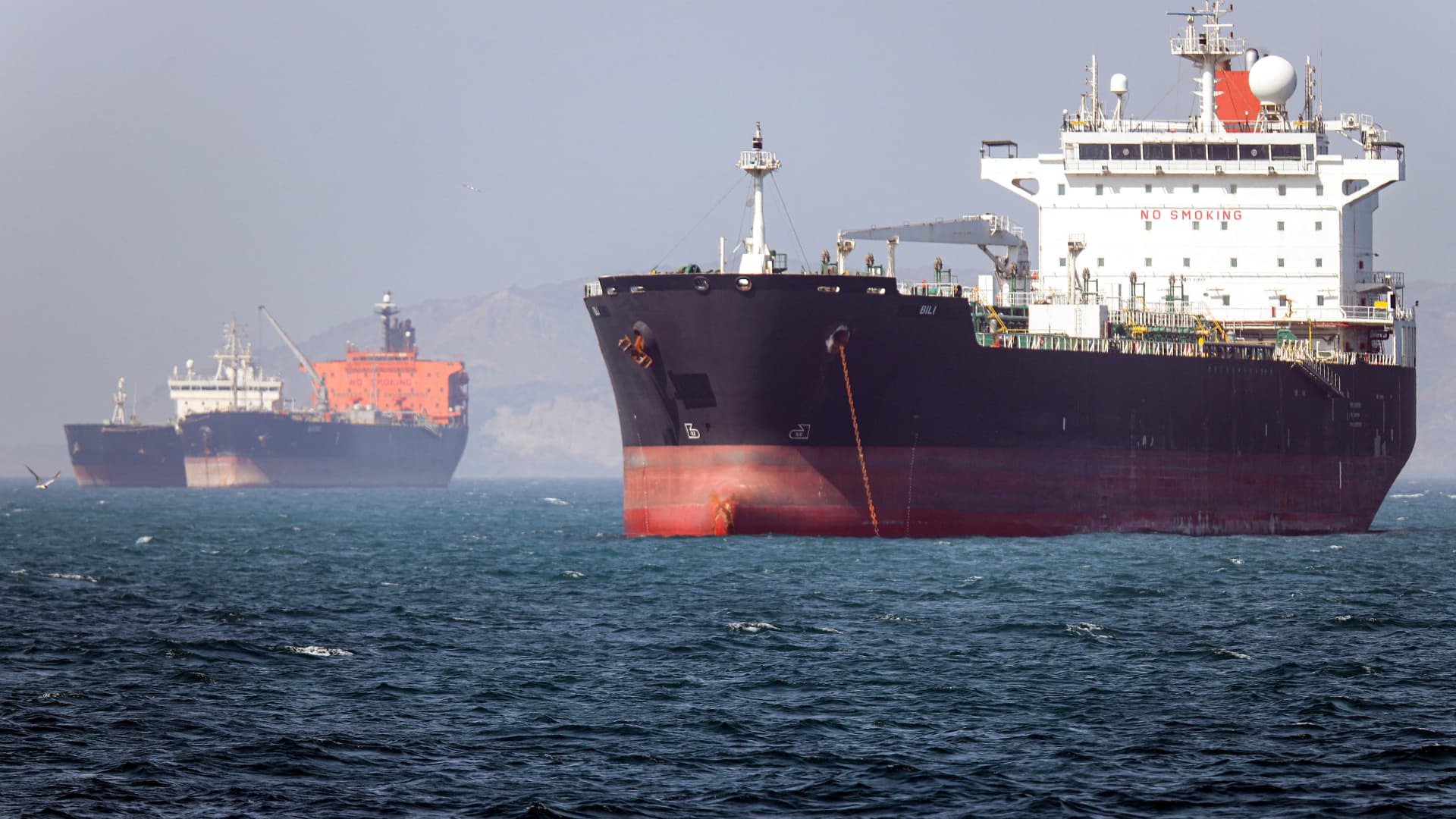
China and the United States are coordinating efforts to stabilise the global oil market following a significant supply shock originating in the Middle East. As the world’s two largest economies, both nations are leveraging their substantial influence over energy markets to plug the resulting supply gap and prevent crude prices from spiking further.
The intervention comes in the wake of disruptions associated with Iran and the Strait of Hormuz, critical chokepoints for global energy trade. While the specific mechanisms employed by Beijing and Washington to manage the market have not been detailed, the joint approach underscores the capacity of the two major economies to exert pressure on pricing during periods of geopolitical instability.
According to reports, the primary objective of this coordination is to mitigate the immediate impact of the supply deficit. By utilising their market weight, the two governments aim to absorb the shock and maintain liquidity, thereby avoiding the extreme volatility that typically accompanies sudden disruptions in Middle Eastern oil flows.
The situation highlights the interconnected nature of global energy markets and the pivotal role played by major consumers in maintaining stability. With the Strait of Hormuz serving as a vital artery for oil exports, any threat to its security necessitates a robust response from the largest economies to ensure continuous supply to global markets.
This collaborative stance between China and the US marks a notable convergence of interest in energy security, despite broader geopolitical tensions. The focus remains squarely on ensuring that the market remains functional and that prices do not escalate to levels that could destabilise global economic activity.
As the situation evolves, market participants will be watching closely to see how these efforts translate into tangible supply adjustments. The ability of the two largest economies to coordinate effectively will likely serve as a key indicator of future market resilience in the face of regional conflicts.