Children of IS-linked families returning from Syria must be treated as individuals shaped by trauma, not extensions of their parents
Author warns that surveillance alone risks alienation and calls for stable housing, education and long-term care to aid reintegration
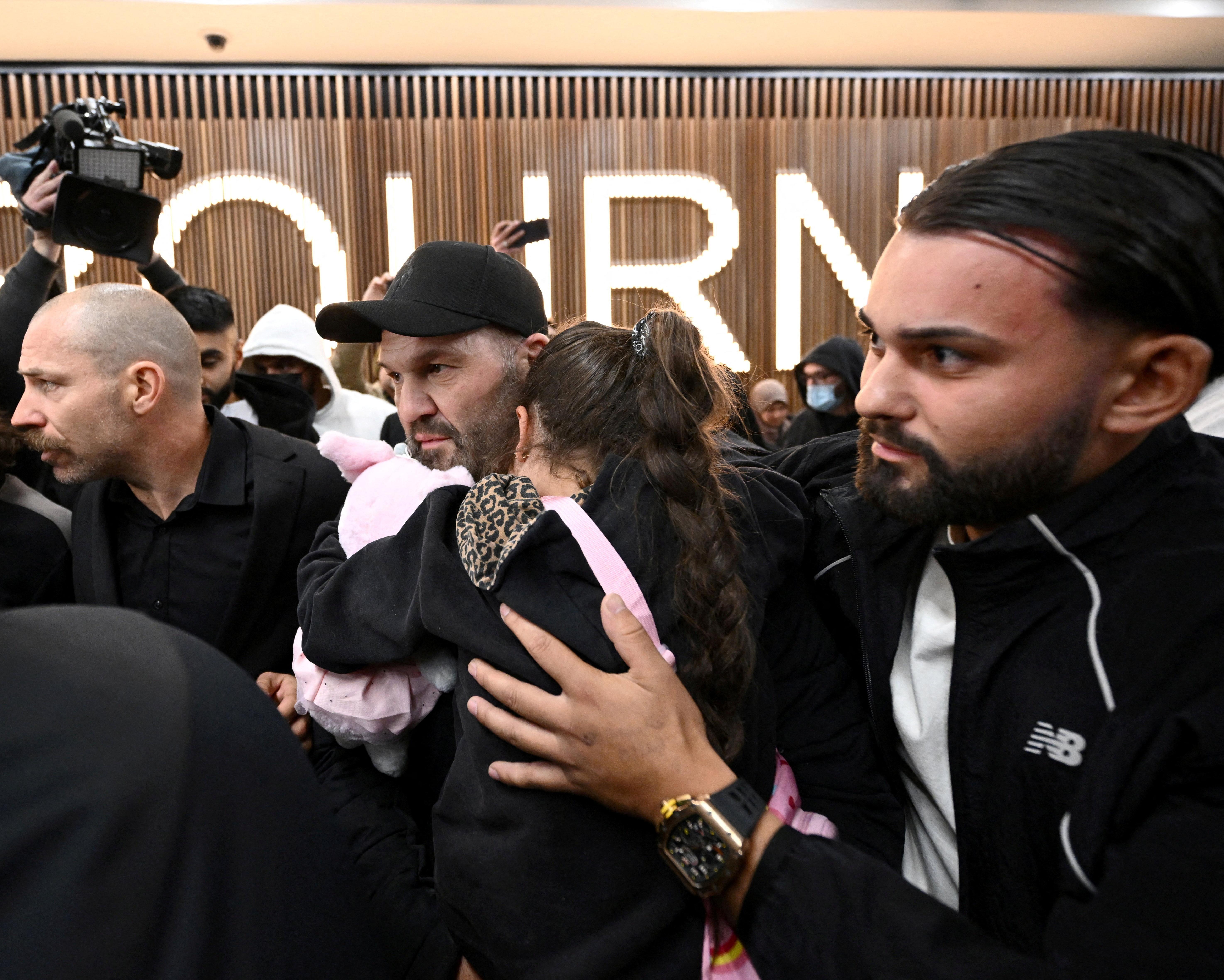
The return of Australian women and children from Syrian detention camps linked to the Islamic State has reignited public debate regarding how the country treats those affected. While three women were arrested upon arrival facing serious allegations regarding terrorism and slavery offences, the focus of a recent opinion piece is on the children who have spent much of their lives in environments characterised by war, deprivation and ideological extremism.
The author argues that these children must be viewed as individuals shaped by years of trauma rather than mere extensions of their parents' actions. Many of the young people lack agency and have experienced disrupted attachment, chronic insecurity and exposure to violence, leading to hypervigilance and fragmented identities. The piece highlights that public discourse often collapses these complex cases into single categories such as terrorist, victim or threat, ignoring the nuance that some adults may have travelled willingly while others were coerced or manipulated.
A call is made for reintegration strategies that go beyond surveillance and monitoring to include long-term trauma-informed support, stable housing and education systems capable of addressing complex developmental needs. The author notes that children raised in these environments face layered challenges that extend far beyond ideology, including inconsistent education and deep social isolation where fear and rigid worldviews became normal survival mechanisms.
The piece warns that a purely national security approach risks creating alienation and reinforcing extremist narratives, whereas stability and belonging could allow identities to be rebuilt. Constant public hostility and lifelong suspicion do not create safety; instead, they create identity foreclosure where a child becomes permanently trapped by the label imposed upon them. The author contends that accountability and reintegration are not mutually exclusive and that one depends on the other.
Reintegration therefore cannot simply mean arrival but must mean the deliberate creation of pathways into ordinary life. This requires medical needs to be attended to and mental health interventions that understand the impact of prolonged exposure to conflict and ideological control. It requires practitioners who understand that identity reconstruction takes time and that disengagement from extremism is rarely linear.
Most importantly, the author states that Australia must decide whether it believes children can become more than the circumstances they were born into. Handled poorly, these children may grow up carrying permanent stigma and distrusting institutions, but handled properly, the trajectory can change as young people develop critical thinking and social connection outside the ideological environments they once inhabited.