Chelsea appoint Xabi Alonso as manager in strategic pivot to squad composition
Ownership’s “big bet” follows sacking of Liam Rosenior, with interim Calum McFarlane to finish season
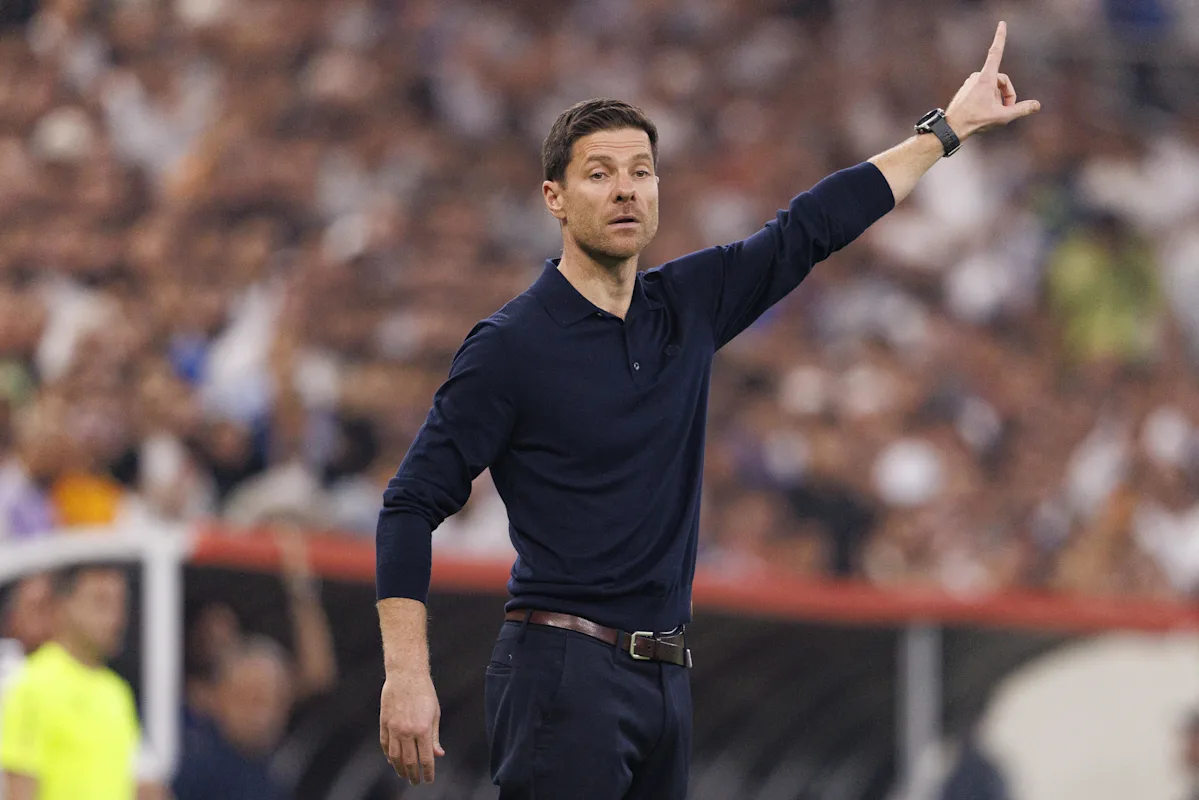
Chelsea Football Club has confirmed the appointment of Xabi Alonso as its new manager, marking a significant shift in the club’s governance and tactical direction. The Spaniard has signed a four-year contract, with his tenure officially commencing on 1 July. This decision represents the first managerial hire under ownership group BlueCo that appears structurally integrated with the club’s existing recruitment strategy of acquiring young, technical, and positionally flexible players.
Alonso succeeds Liam Rosenior, who was dismissed less than a month ago following the club’s defeat in the FA Cup final. In the interim period, Calum McFarlane will take charge for the final two matches of the current Premier League season against Tottenham and Sunderland. The appointment is characterised by ownership as a “big bet,” signalling a move away from short-term stabilisers towards a long-term architectural plan for the squad.
The rationale behind the selection focuses on Alonso’s tactical flexibility, demonstrated during his tenure at Bayer Leverkusen. Rather than adhering to rigid positional play, Alonso utilised a back-three system to maximise spacing and transition control. This approach is deemed suitable for Chelsea’s diverse roster, which includes players such as Cole Palmer, Enzo Fernández, and Moisés Caicedo, who are noted to thrive in fluid or transitional spaces rather than static possession systems.
However, the appointment carries inherent risks linked to the club’s volatile environment. Concerns have been raised regarding the squad’s work rate, with reports indicating that Chelsea have been outrun by every Premier League opponent in every match this season. The club’s history of inconsistent collective buy-in and defensive responsibility draws parallels to Alonso’s difficult stint at Real Madrid, where tactical structures collapsed due to a lack of defensive discipline among high-profile players.
Chelsea’s recruitment over recent years has been described as aggressive opportunism, resulting in a squad with varied profiles that lack a coherent ideological foundation. Alonso’s appointment is viewed as an attempt to create coherence from this chaos, leveraging his ability to adapt systems to the specific strengths of players like Jamie Gittens and Nicolas Jackson. The club faces immediate pressure to demonstrate that tactical adaptability can overcome structural instability and improve defensive solidity in the Premier League.