Chase Bank delay forces Florida couple to drain $250,000 from 401(k) for flood rebuild
A year-long hold on $100,000 in insurance proceeds compelled homeowners to tap retirement savings, triggering significant tax liabilities and blocking access to disaster loans.
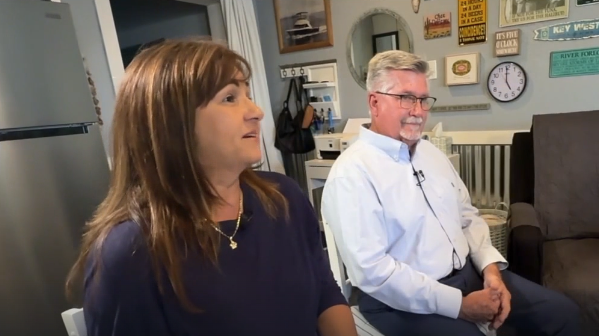
Chris and Analia DeHayes, homeowners in Ruskin, Florida, were compelled to withdraw nearly $250,000 from their 401(k) retirement accounts after Chase Bank withheld approximately $100,000 of their flood insurance proceeds for over a year. The couple’s home was damaged by Hurricane Helene, and under standard mortgage agreements, the insurance check was issued to both the homeowners and the lender. Chase Bank delayed the release of funds, citing the need for repeated inspections and documentation, which forced the couple to use retirement savings to cover construction costs, including mandatory home elevation under FEMA rules.
The delay resulted in significant tax liabilities for the couple, as the withdrawal was treated as ordinary income. The couple had flood insurance through FEMA’s National Flood Insurance Program, which caps payouts at $250,000 for residential structures. Chase Bank released $141,000 to the couple but withheld nearly $100,000 for more than a year. The couple submitted more than 90 documents in their effort to unlock the funds, with the bank repeatedly scheduling and then cancelling required inspections.
The home had to be elevated as a condition of rebuilding under FEMA’s Substantial Improvement rule, commonly known as the 50% rule. This regulation mandates that any structure in a designated flood hazard area where repair or renovation costs exceed 50% of the pre-damage value must be brought into full compliance with current flood codes. For many Florida homeowners, this means physically lifting the entire house, a process that can cost upwards of $1 million for larger properties.
The couple was blocked from accessing a Small Business Administration disaster loan they had been approved for, as terms required full insurance payout to be received before rebuilding funds would be given. Florida attorney David Murray stated that Florida offers virtually no protection in this situation and that many mortgage agreements give lenders vague or expansive authority over insurance payouts. Murray noted that lenders benefit from earning interest on the held funds while simultaneously collecting interest on the original mortgage balance.
Following media inquiry, Chase Bank conducted a virtual inspection and released the withheld funds. The resolution came after significant financial strain, as the IRS’s qualified disaster recovery distribution provision only waives the 10% early withdrawal penalty on up to $22,000 for those in a federally declared disaster area. Any amount above that is subject to both income tax and the standard 10% penalty, leaving the couple with substantial tax liabilities on money they never intended to spend.