Charity coalition condemns UK Home Office AI age assessment plan for asylum seekers
The Refugee and Migrant Children’s Consortium urges the government to use facial estimation tools only in an advisory capacity, citing risks of bias and trauma-related inaccuracies.
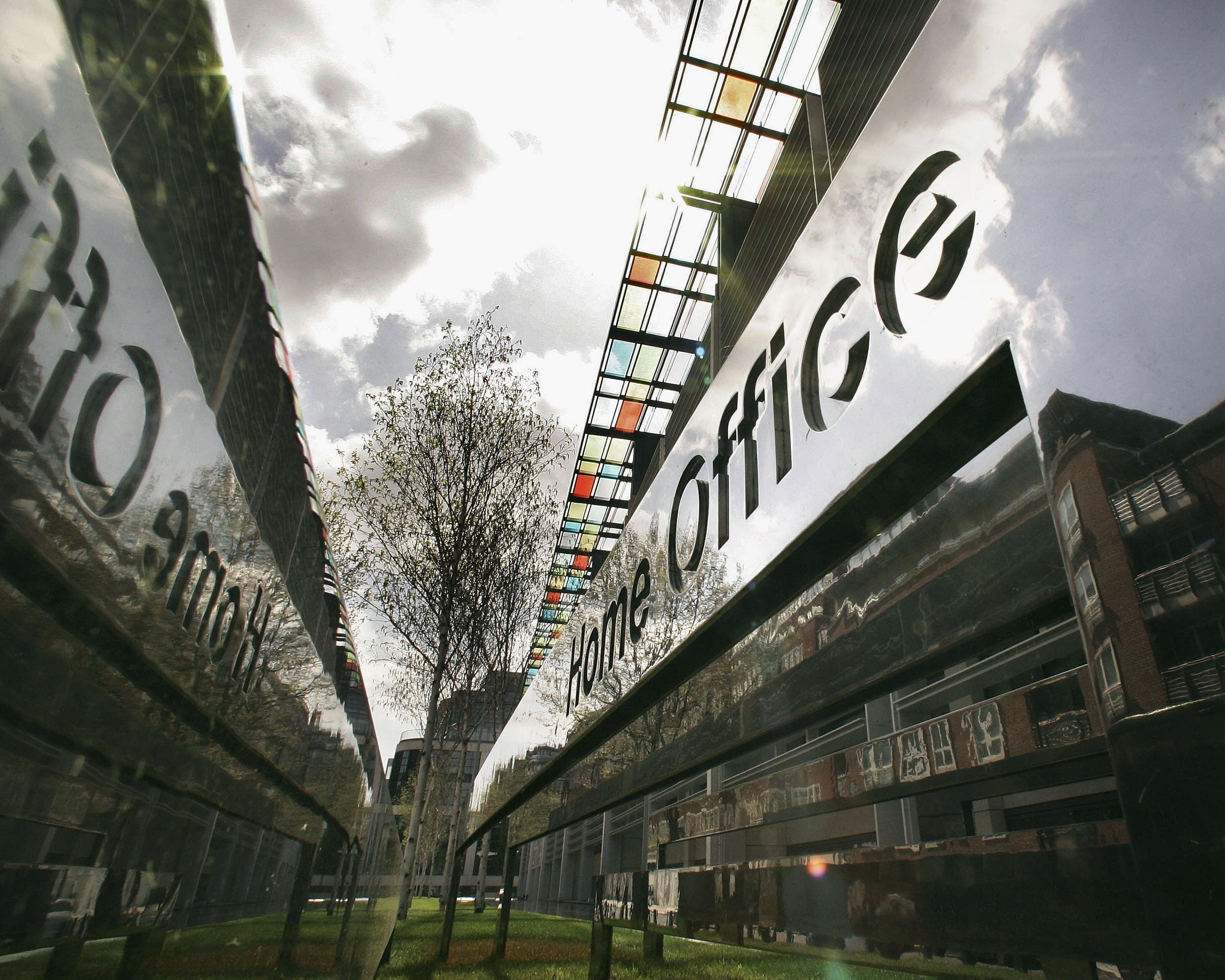
A coalition comprising more than 100 refugee children’s organisations has strongly opposed the UK Home Office’s decision to deploy artificial intelligence for assessing the age of young asylum seekers. The group warns that the technology, which utilises facial photographs of small-boat arrivals, risks misclassifying children as adults, potentially resulting in their placement in adult detention facilities or prisons.
The controversy follows the Home Office’s announcement on Friday regarding a three-year contract worth £322,000 awarded to Akhter Computers Ltd. The agreement covers the testing and development of facial age estimation technology, with a national rollout scheduled for 2027. The system is designed to analyse images of arrivals at Dover to estimate age within seconds, addressing government concerns that adult migrants are making false claims to access child-specific support.
Border security and asylum minister Alex Norris stated that the technology aims to prevent individuals from gaming the system while ensuring genuine minors receive appropriate protection. However, the Refugee and Migrant Children’s Consortium released a report titled Benchmarks and Borders prior to the announcement, cautioning against relying on AI as a substitute for comprehensive assessments conducted by social workers. The consortium argues that the technology should serve only an advisory role, supported by safeguards such as access to legal advice and an appropriate adult.
The report highlights that age assessments are particularly complex for unaccompanied young people aged 16 or 17. Factors including trauma, under-nutrition, exhaustion, and the physical toll of dangerous journeys can significantly alter a young person’s appearance. The consortium notes that existing evidence indicates AI faces similar issues with bias and inaccuracy as human decision-making, with poor image quality and biased training datasets further compromising accuracy.
Home Office data reveals that young asylum seekers are more than twice as likely to be recorded as children in assessments by social workers compared to those conducted by immigration officers at the border. Despite the introduction of AI, final age determination decisions will remain with immigration officers. The government maintains that the technology will undergo rigorous testing and evaluation before implementation, aiming to identify those making false claims while safeguarding those in need of protection.