Champions League final: Arsenal’s tactical dilemma and PSG’s dynasty blueprint
With Arsenal seeking their first continental title since the 1992-93 rebranding, the tactical balance between Kai Havertz and Viktor Gyokeres, alongside Jurrien Timber’s fitness, will define the Gunners’ chances against a PSG side built for longevity.
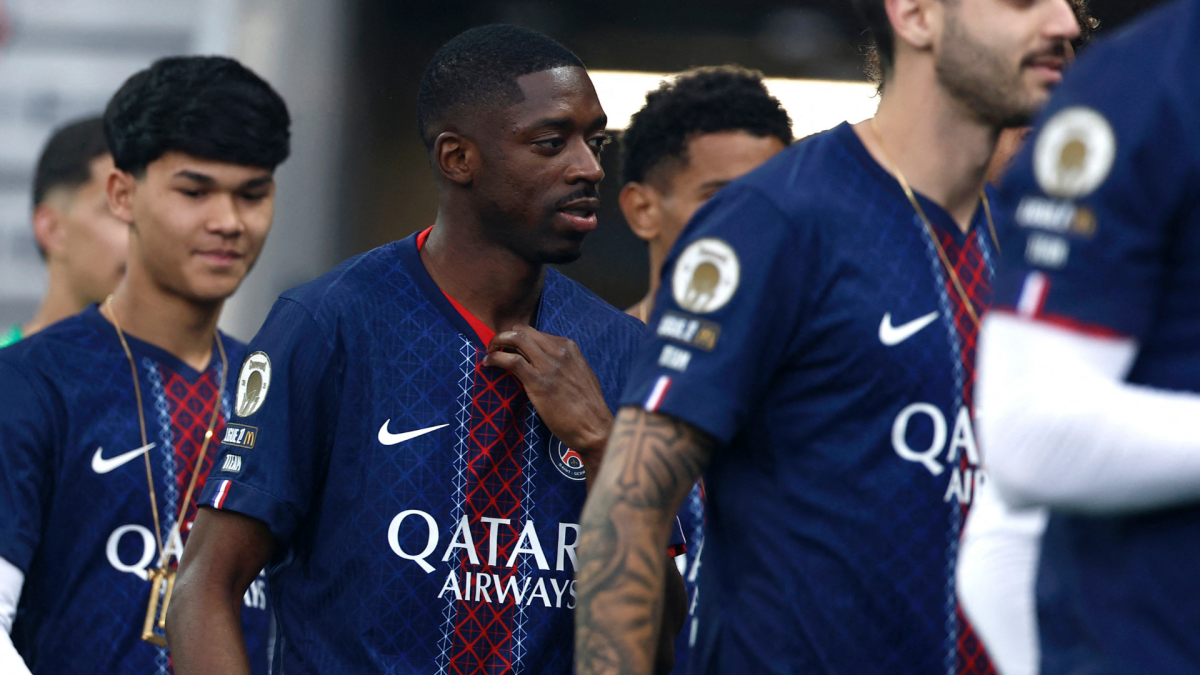
Arsenal travel to the Ferenc Puskas Arena in Budapest to face holders Paris Saint-Germain in the Champions League final, a match that presents a stark contrast between the Gunners’ defensive rigidity and PSG’s attacking potency. Having secured the Premier League title under Mikel Arteta, Arsenal are pursuing their first European crown since the competition was rebranded in 1992-93. They face a PSG side managed by Luis Enrique, who aims to cement a modern dynasty characterised by squad depth and systemic consistency, moving away from the reliance on individual star power that defined previous eras.
The structural foundation of PSG’s potential longevity lies in their management of player workload. Unlike previous iterations featuring Lionel Messi, Neymar, and Kylian Mbappe, who logged significant minutes in Ligue 1, Enrique’s current squad has utilised key players for fewer domestic minutes. This rotation strategy, facilitated by PSG’s dominance in the French league, has allowed the team to conserve energy for European competition, a factor that contributed to their semi-final victory over Bayern Munich. With only Marquinhos and Fabian Ruiz aged 30 or over in the strongest XI, the club is positioned for sustained success provided Enrique maintains his standards.
For Arsenal, the primary tactical uncertainty revolves around the centre-forward position. The selection debate pits Kai Havertz against Viktor Gyokeres, with data suggesting distinct strategic advantages for each. Havertz offers superior pressing metrics, covering more ground and averaging higher progressive actions, which may be crucial for disrupting PSG’s supply lines. Gyokeres, conversely, provides explosive pace and has scored more goals this season, though he has historically struggled against top-tier opposition. Arteta must determine whether the hard yards of Havertz’s link-up play or Gyokeres’ finishing ability better suits the demands of the final.
Defensive availability remains a critical variable for Arsenal, particularly regarding Jurrien Timber. The defender, who has been sidelined by a groin issue since March, returned to training and is expected to travel to Hungary. His potential return is vital for countering PSG’s Khvicha Kvaratskhelia, a threat that exposed Arsenal’s right flank in last season’s semi-final. The absence of Ben White to a season-ending knee injury further elevates the importance of Timber’s fitness, as the alternative, Cristhian Mosquera, lacks the same level of defensive experience and progressive capacity.
PSG’s right-back situation presents a similar uncertainty, with Achraf Hakimi’s availability in question after missing an internal friendly. However, Warren Zaire-Emery has proven to be a capable alternative, offering solid defensive numbers and progressive carries. While Hakimi provides more attacking threat, Zaire-Emery’s reliability could mitigate the risk for Enrique. As the final approaches, the outcome may hinge on whether Arsenal can leverage their defensive organisation and tactical flexibility to overcome a PSG side that appears structurally prepared for a prolonged era of European dominance.