C.H. Robinson CEO Targets Supreme Court Ruling on Broker Liability Amid Workforce Shifts
CEO Dave Bozeman insists federal preemption is vital for industry stability as the firm reduces headcount by 12 per cent through automation.
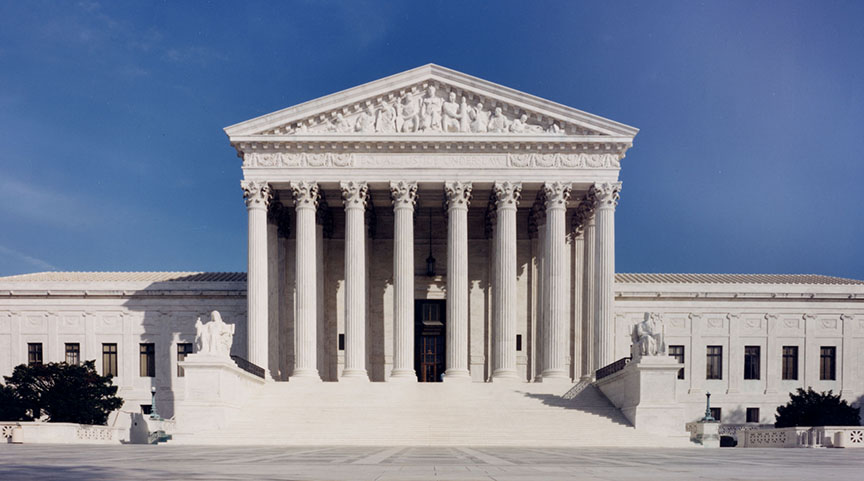
C.H. Robinson management has reaffirmed its confidence in winning a pivotal Supreme Court case regarding broker liability, a decision that could reshape the regulatory landscape for the freight brokerage industry. During the company's first-quarter earnings call, CEO Dave Bozeman addressed analysts about the pending ruling in the Montgomery v. Caribe II case, which was argued before the nation's highest court in early March.
The core legal dispute centres on whether the safety exception to the Federal Aviation Administration Authorization Act applies to freight brokers. If the Court determines that the exception does apply, the company faces potential reinstatement as a defendant in the Montgomery case. Bozeman emphasised that the outcome is not merely about broker immunity but about preventing a patchwork of conflicting state safety rules and ensuring the Federal Motor Carrier Safety Administration remains the primary regulator.
Management argues that consistent federal preemption is essential to reduce uncertainty for brokers, shippers, and carriers. Bozeman noted that a negative ruling could bring headwinds to the industry, potentially increasing insurance costs and impacting market share. However, he maintained that the company has a prepared strategy regardless of the outcome, stressing the importance of the Court resolving the disagreement among lower circuit courts.
While the legal battle looms, the earnings call also highlighted a significant strategic shift within the firm's operations. C.H. Robinson reported a 12 per cent year-on-year reduction in headcount, driven by the aggressive adoption of artificial intelligence and automation within order-to-cash workflows. The company described this process as moving away from large manual components in the ordering process to more efficient, technology-led operations.
This workforce reduction strategy involves not backfilling certain entry-level roles, a move that has coincided with a shift in focus toward customer-facing positions for small to medium-sized businesses. Analysts questioned whether an adverse ruling might inadvertently create market share opportunities for the larger firm by forcing smaller competitors to absorb higher regulatory and insurance burdens, though Bozeman declined to speculate on specific upside scenarios.
With a decision on the Montgomery case expected before the end of June, the industry watches closely to see how the Supreme Court interprets the scope of the safety exception. For C.H. Robinson, the immediate priority remains securing a favourable ruling to ensure consistency in the application of federal preemption while continuing to integrate automation across its logistics network.