Central banks pivot hawkish as global markets rally on tech surge and Middle East volatility
With major central bank meetings underway, attention turns to the Federal Reserve and European counterparts as oil prices climb above $111 per barrel and US equities set new records.
Global financial markets have experienced a distinct divergence this week, characterised by a tightening monetary policy stance from central banks and a simultaneous rally in equity markets driven largely by technology and semiconductor firms. The week opened with a significant shift at the Bank of Japan, where three of its nine policymakers voted to hike interest rates and lift their inflation forecast, even though the official policy rate remained unchanged. This internal move has increased market bets on a further rate rise as early as June, sending the yen briefly higher before it unwound those gains and the Nikkei benchmark fell back.
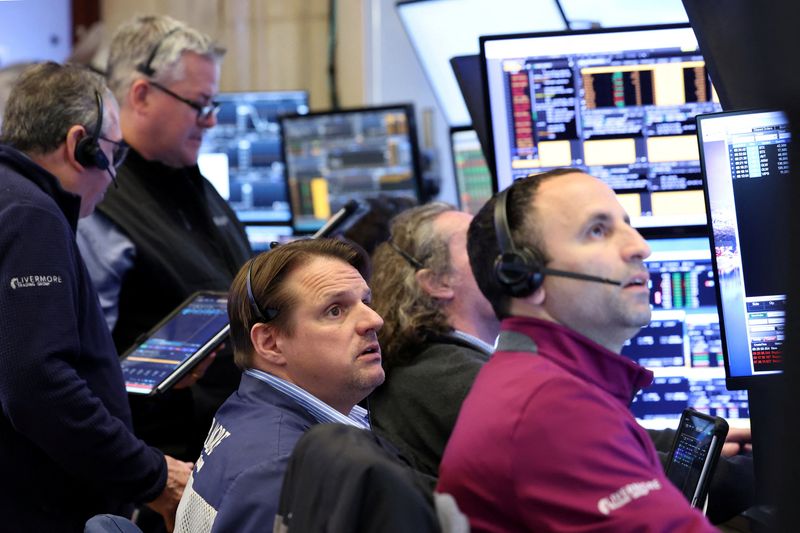
Attention from investors is now shifting to the remaining G7 central bank meetings, including those of the Bank of England, the European Central Bank, and the US Federal Reserve. While none of these institutions are expected to alter interest rates immediately, analysts suggest they may signal a move toward tighter policy in the coming months. This backdrop of potential rate hikes contrasts sharply with the buoyancy seen in US and Asian stock markets, where the S&P 500 and Nasdaq have notched a series of record closing highs.
The surge in equities has been propelled primarily by strong performance in the chip sector. Nvidia has added more than a trillion dollars in market capitalisation over the past month, reaching new records, while Qualcomm jumped 13 per cent following reports of a potential partnership with OpenAI for new smartphone processors. South Korea's chip-heavy KOSPI index also hit yet another record high, demonstrating the sector's resilience despite broader global uncertainties.
In the energy sector, Brent crude prices have surged to a three-week high, crossing the $111 per barrel mark. This increase reflects ongoing disruptions to traffic through the Strait of Hormuz and a stalemate in the Iran conflict. Reports indicate that President Trump expressed unhappiness with a recent Iranian peace proposal that sought to set aside nuclear discussions until after the Gulf situation was resolved, adding to the geopolitical tension that is keeping energy prices elevated.
Beyond the traditional banking and energy sectors, the artificial intelligence landscape has seen significant developments that are reshaping corporate alliances. The Chinese government ordered Meta to unwind its acquisition of the AI startup Manus, highlighting the strategic sensitivity of the sector to Beijing's regulatory stance. Meanwhile, Microsoft and OpenAI have renegotiated their deal to allow the latter to sell products to Microsoft's competitors, a move designed to reduce reliance on the ChatGPT creator as Microsoft develops its own models.
As markets await this week's sweep of earnings from US mega-cap companies, the focus remains on how these corporate developments and geopolitical risks will interact with central bank policy. The combination of hawkish signals from the Bank of Japan, record valuations in technology stocks, and volatile oil prices creates a complex environment for investors navigating the current economic landscape.