Centenary tributes mark David Attenborough's legacy as the planet's most trusted interpreter
Sir David Attenborough, who hoped for a quiet celebration, was overwhelmed by worldwide greetings as museums and broadcasters pay homage to his century-long advocacy for the natural world
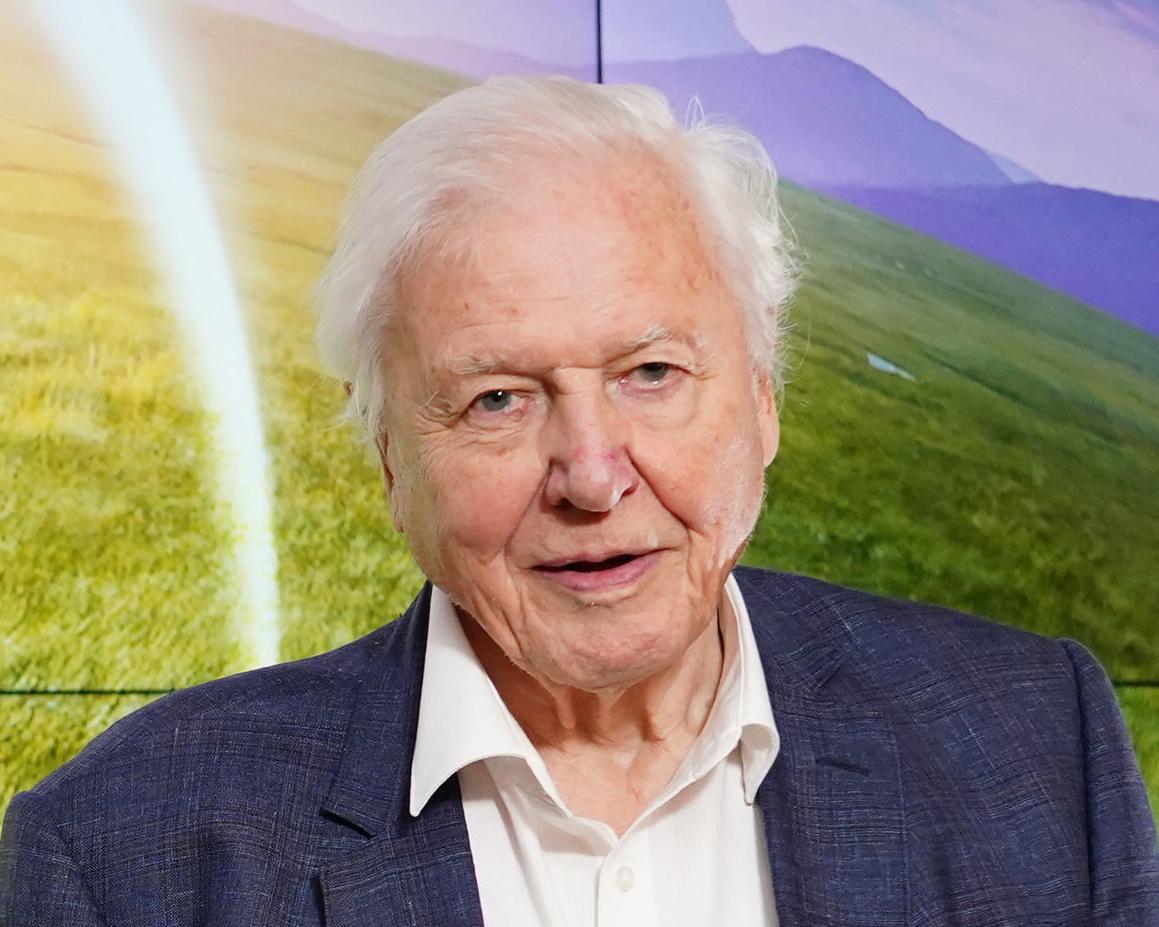
Sir David Attenborough marked his centenary with a live event at the Royal Albert Hall, broadcast on BBC One, despite expressing a desire to celebrate quietly. The naturalist stated he was completely overwhelmed by birthday greetings ranging from preschool groups to care home residents, a sentiment shared in a recorded audio message thanking wellwishers most sincerely for their kind messages.
The milestone has been recognised internationally through tributes from major institutions, including the Australian Museum, Kew Gardens, and the Natural History Museum. To mark the occasion, the Natural History Museum named a newly discovered species of parasitic wasp, *Attenboroughnculus tau*, after him and is running an immersive exhibition titled *Our Story With David Attenborough* until August.
Kew Gardens staff recorded a birthday message calling on the public to honour Attenborough by taking greater care of plants and fungi. Meanwhile, the Australian Museum is offering free entry to its new exhibition, *Bloodsuckers: Nature's Vampires*, as a tribute to its patron. These gestures underscore the breadth of his influence across the scientific and cultural landscapes.
Tributes rolled in from the worlds of science, politics, and popular culture, with naturalist Chris Packham describing Attenborough as the greatest living broadcaster and the greatest ambassador for life on Earth the planet has and will ever see. Actor Ian McKellen added that Attenborough summed up the best about the BBC, noting his ability to communicate his own enthusiasms brought joy to many people.
Attenborough is recognised as a consummate storyteller whose work has coincided with mass extinction and the breakdown of a stable climate. He is a passionate advocate for the natural world, having addressed climate change at UN talks in 2018 and Cop26 in 2019, while some critics have argued he failed to mount a coherent defence of the living world.
Born in Isleworth in 1926, Attenborough joined the BBC in 1950 and rose to become controller of BBC2 in 1965, where he commissioned *The Old Grey Whistle Test* and developed the series *Civilisation*. His primary focus remained wildlife documentary filmmaking, leading to the landmark 1979 series *Life on Earth*, which cemented his status as arguably humanity's most trusted interpreter of other species.
Alastair Fothergill of Silverback Films noted that before Attenborough, wildlife television was often seen as niche or educational programming, but he brought the wonders of the planet into people's living rooms in a completely new way. This approach gave audiences a huge sense of responsibility towards the planet, transforming their care for ecosystems from the Amazon to the Arctic.