CBS terminates 60 Minutes journalist Scott Pelley amid editorial and ownership disputes
Pelley alleges instructions to inject bias into stories, while remaining correspondents criticise the newsroom’s direction under Paramount Skydance.
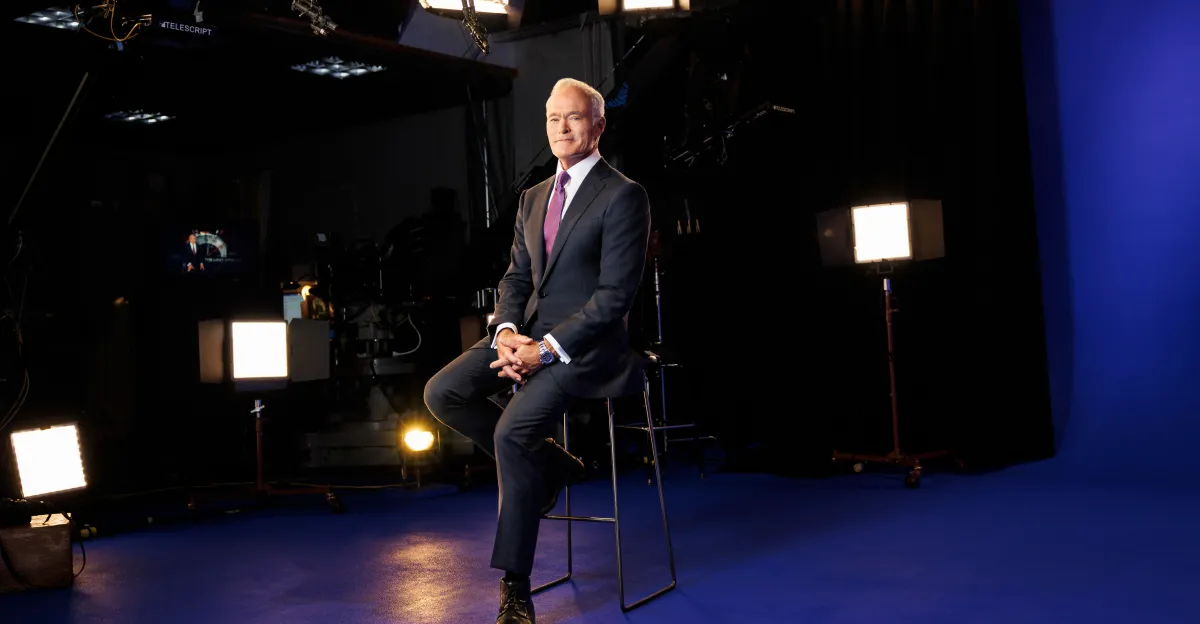
CBS has terminated the contract of veteran 60 Minutes journalist Scott Pelley following a dispute with the programme’s new leadership. The decision, which was reportedly signed off by Paramount Skydance CEO David Ellison, comes amid growing tensions between Pelley and the network’s executive team, including editor-in-chief Bari Weiss and executive producer Nick Bilton.
Pelley challenged the appointment of new executives in a staff meeting, reportedly accusing management of installing loyalists rather than qualified professionals. In a statement released following his dismissal, Pelley claimed that leadership instructed him to inject bias and unverified assertions into a politically sensitive story, actions he described as an attempt to curry favour with the Trump administration.
In response to the termination, correspondents Lesley Stahl, Bill Whitaker, and Jon Wertheim issued a joint memo to staff. The trio stated they would remain with the programme to prevent its decline, while criticising the newsroom’s management style as dictatorial. They expressed being deeply upset by recent firings, arguing that newsrooms should not be run with such authoritarian control.
The event has been viewed as part of a broader consolidation of media power under Paramount Skydance. Critics argue that the firing of Pelley, alongside the recent departure of Stephen Colbert from The Late Show, signals a shift towards political loyalty over journalistic independence. Concerns have also been raised about the impact of the Nexstar-Tegna deal and regulatory actions by the Federal Communications Commission, which have enabled further concentration of ownership and potential echo chambers in local news.
Pelley’s termination letter, described as public and contentious, featured accusations of incivility from management. The incident highlights the challenges facing traditional broadcast journalism as ownership structures become increasingly concentrated among a small group of powerful executives, raising questions about the future of editorial integrity in major media outlets.
