CBS Sports outlines narrative arcs for 48 nations at expanded 2026 World Cup
The media outlet’s analysis frames the first 48-team tournament through cultural touchstones, historical context, and individual player milestones.
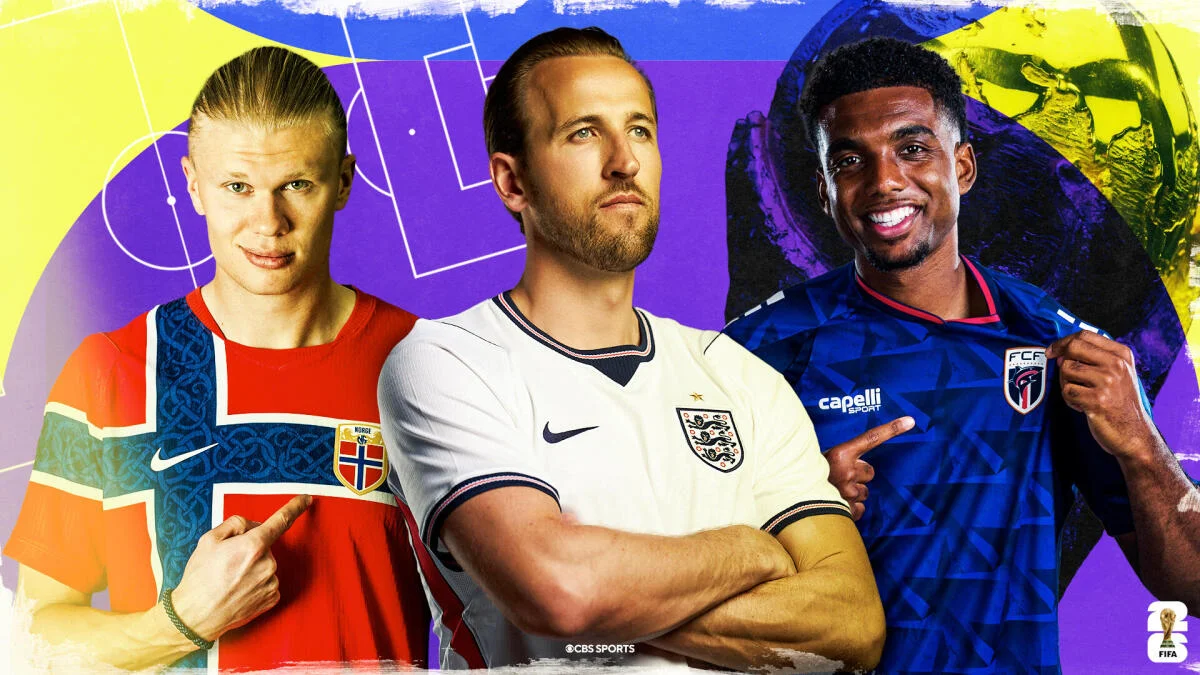
CBS Sports has published a comprehensive rooting guide for the 2026 FIFA World Cup, providing a distinct narrative reason to support each of the 48 participating nations. Released ahead of the tournament’s commencement on Thursday, the analysis addresses the historic expansion to a 48-team format, noting that the increased field size allows for a broader array of storylines ranging from debutant nations to established footballing powers.
The guide identifies six nations making their World Cup debuts: Bosnia and Herzegovina, Curacao, DR Congo, Haiti, Jordan, and Zambia. It highlights specific cultural and historical angles for these teams, such as Bosnia and Herzegovina bringing an unofficial mascot described as the official largest coffee pot in the world, and Haiti carrying the joy of an entire nation following a 50-year absence from the tournament.
Returning teams are also central to the publication’s framework. Japan is noted for its fanbase’s tradition of cleaning stadiums after matches, while South Africa’s return is linked to the 2010 tournament and the associated cultural iconography of vuvuzelas. The United States, as the leading host with the most markets and games, is characterised by its aim to improve upon its round of 16 exit in the 2022 edition.
Key player narratives form a significant portion of the institutional analysis. The guide points to Lionel Messi and Cristiano Ronaldo, suggesting these may be their final World Cups, alongside Harry Kane, who is described as being in outrageous form. Other standout figures include Kylian Mbappe of France, Erling Haaland of Norway, and Mo Salah of Egypt, whose potential to shine is highlighted as a primary reason for support.
The publication also draws on historical context and recent performance to frame expectations. It references Argentina as the current title holders, Germany’s four previous World Cup wins, and Morocco’s semi-final run in 2022. The analysis suggests that the tournament’s unpredictability is heightened by the inclusion of diverse teams, from the consistent performance of Switzerland to the upset potential of Saudi Arabia, who defeated Argentina in the previous cycle.