CBS Sports Analyst Identifies Tiered Draft Strategy for 2026 Fantasy Tight Ends
The 2026 Fantasy Football season is projected to build on the production surge of 2025, driven by a strong rookie cohort and established veterans.
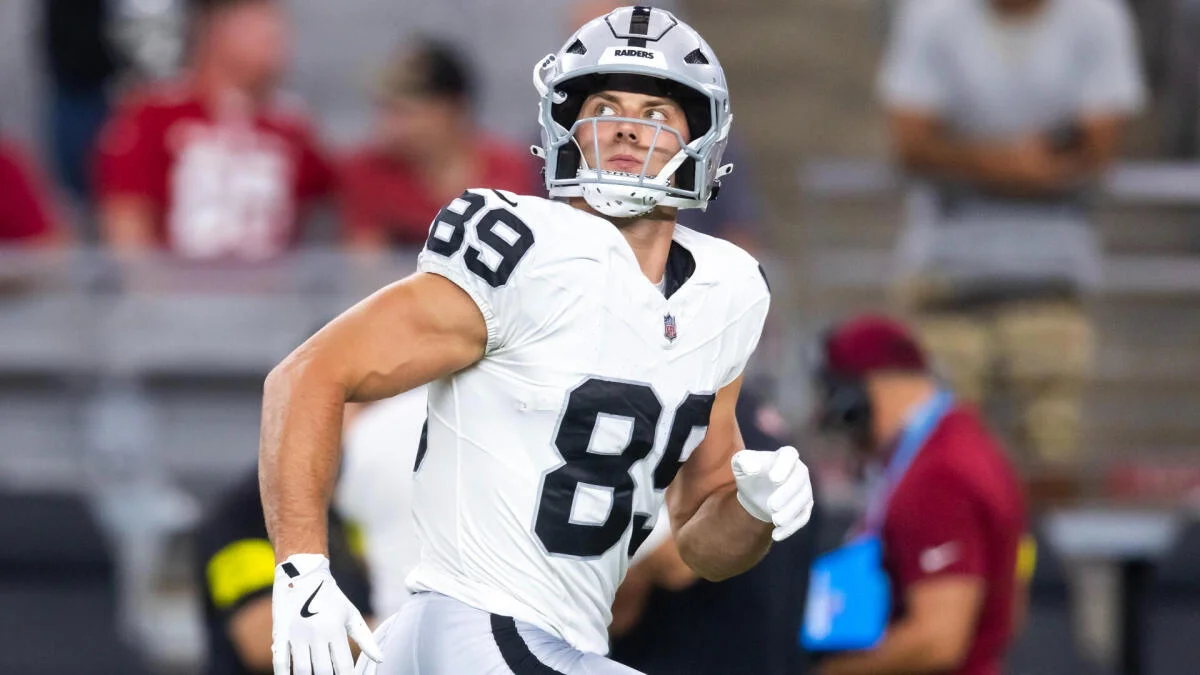
CBS Sports analyst Jamey Eisenberg has published a comprehensive tiered draft strategy for tight ends for the 2026 Fantasy Football season, outlining a round-by-round approach for league managers. The analysis positions Brock Bowers and Trey McBride as the premier targets for the second and third rounds, respectively, while highlighting a broader trend of increased production across the position.
Eisenberg notes that the tight end landscape has evolved significantly since the 2025 season, where 15 players averaged at least eight half-PPR points per game. This marks a substantial increase from the 10 players who achieved that threshold in 2024. The analyst attributes this surge to a standout rookie class from the previous year, which included Harold Fannin Jr., Tyler Warren, and Colston Loveland, alongside continued success from established veterans.
In the second and third rounds, Bowers is ranked as the top option, with expectations that he will lead the position in targets and finish as the best Fantasy tight end in 2026. Despite a shortened 2025 season due to injury, his 2024 rookie campaign featured 112 catches for 1,194 yards. McBride follows as the primary target in the third round, having led the position in targets, catches, and yards last season, though Eisenberg anticipates some statistical regression given improvements in the Arizona Cardinals' run game.
The third and fourth rounds feature Colston Loveland and Tyler Warren, both of whom showed significant upside late in the previous season. Loveland averaged 16.0 half-PPR points per game in his final four outings of 2025, while Warren performed well before injury disrupted the New York Giants' season. Eisenberg suggests Warren could benefit from a reduced target share competition following the departure of Michael Pittman.
Rounds five through eight include high-upside options such as Sam LaPorta, Tucker Kraft, Kyle Pitts, and Isaiah Likely. LaPorta is viewed as a top-five upside pick with a new offensive coordinator in Detroit, while Kraft is expected to see a boost in Green Bay following roster changes. Pitts is projected to thrive under new Atlanta Falcons head coach Kevin Stefanski, and Likely is expected to secure a featured role with the New York Giants after leaving Baltimore.
The ninth through 11th rounds are dominated by veteran presence, including Travis Kelce, George Kittle, and Dallas Goedert. Kelce is considered a solid fallback option, while Kittle is viewed as a risky but potentially high-reward pick following his recovery from an Achilles injury. Goedert is highlighted for his red-zone efficiency, having tied for the league lead in touchdowns last season.
Late-round fliers in the 11th through 14th rounds include Mark Andrews, Dalton Kincaid, and Chigoziem Okonkwo, who are assessed based on their potential for bounce-back performances or increased target shares in new offensive systems. Eisenberg’s guide serves as a strategic blueprint for managers looking to navigate a deep and competitive tight end class in the upcoming season.