Cartoonist questions political impunity in Guardian opinion piece
The June 2026 publication targets former One Nation leader Pauline Hanson, challenging the mechanisms that allow controversial statements to persist without factual correction.
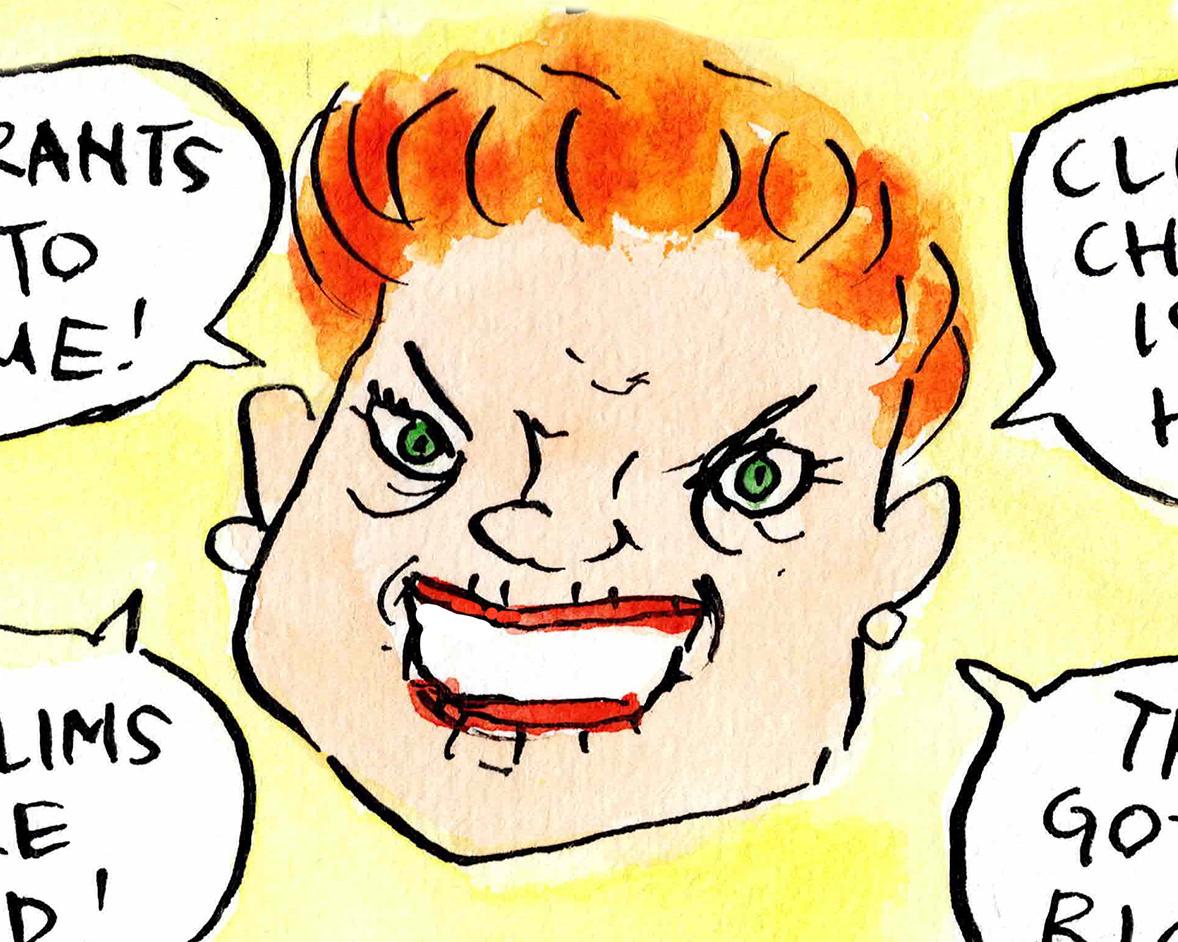
Fiona Katauskas published an opinion piece and accompanying cartoon in The Guardian on 2 June 2026, titled "How does Pauline Hanson keep getting away with it?". The work serves as a critique of what the author describes as a "blame campaign" that allegedly prioritises political narrative over factual accuracy.
The publication appears in The Guardian Opinion section and centres on Australian politician Pauline Hanson. Katauskas, a cartoonist and commentator, uses the piece to highlight the tension between factual reporting and political discourse, suggesting that established facts are often overlooked in the pursuit of political blame.
The headline poses a direct question regarding Hanson’s perceived impunity. The accompanying subheading, "Don’t let the facts get in the way of a blame campaign", reinforces the central theme that political narratives are being constructed independently of verifiable evidence.
While the specific incident or recent event that prompted this commentary is not detailed in the available source material, the piece is framed within the broader context of Hanson’s political longevity and history of controversial statements. The work challenges readers to consider why certain political actors face limited consequences for their actions.
The opinion piece reflects a specific editorial viewpoint rather than neutral reporting. It presents a subjective interpretation of political accountability, framing the situation as a systemic failure to hold individuals to account based on facts.
As an opinion column, the article does not provide new investigative findings but rather offers a commentary on existing political dynamics. The focus remains on the rhetorical strategy of blaming others while avoiding factual scrutiny, a tactic Katauskas attributes to the subject of her critique.
The publication underscores the ongoing debate regarding the role of media and public commentary in challenging political impunity. By questioning how Hanson continues to operate without significant repercussions, the piece invites further examination of the standards applied to political conduct in Australia.