Carpenter’s Cathedral: The Horror Icon’s Uncompromising Exit and New Creative Chapter
In a recent interview with The Guardian, John Carpenter discusses his transition from the Hollywood studio system to a slower lifestyle, while announcing the release of his new album and graphic novel, both titled Cathedral.
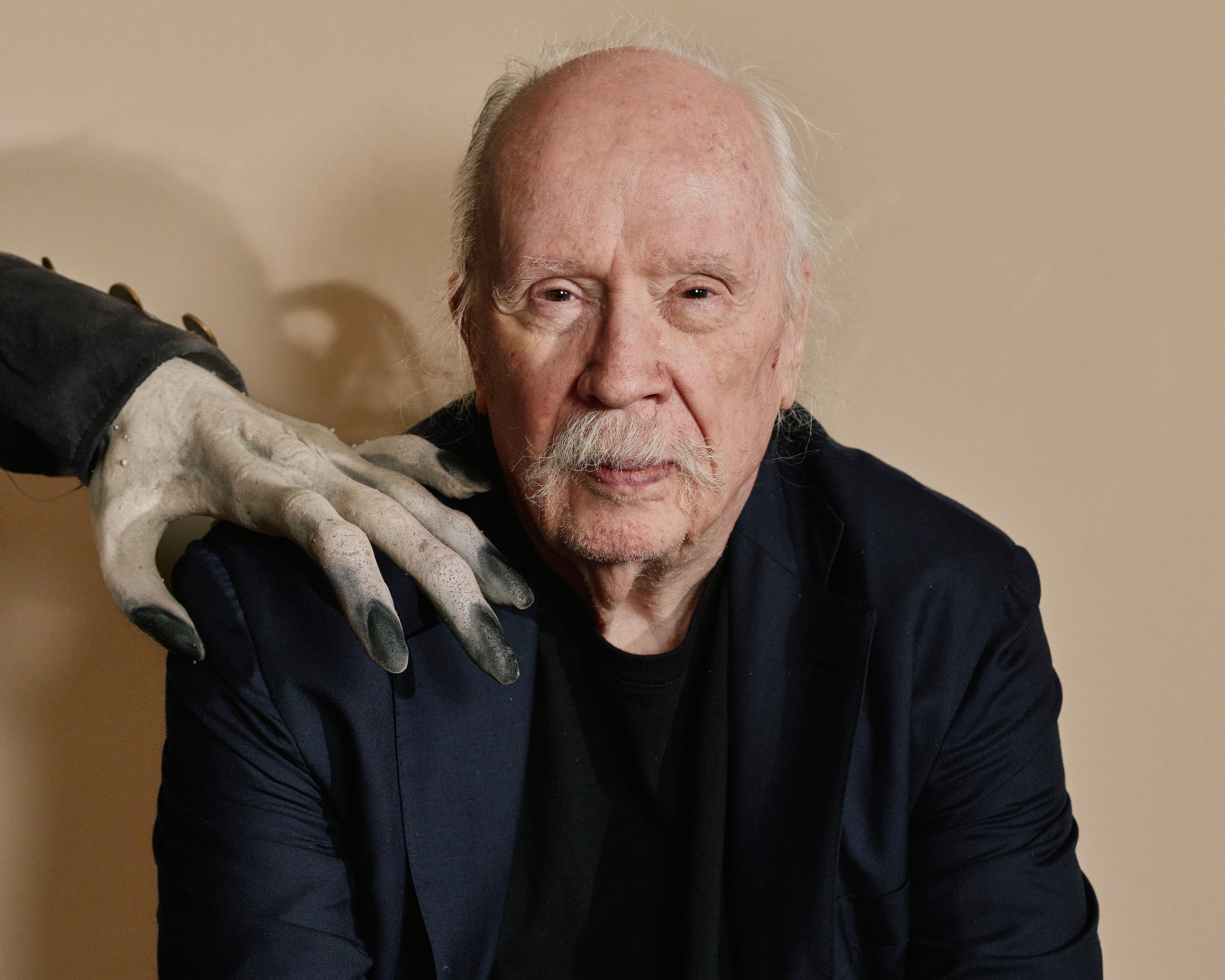
At 78, horror and science fiction director John Carpenter remains a figure of defiant independence, having largely stepped away from the Hollywood studio system that he describes as a "creative war." In a recent interview with The Guardian, Carpenter reflected on his career, his uncompromising approach to filmmaking, and his current life, which he describes as a necessary recovery from an addiction to moviemaking. He now spends his days at a leisurely pace, engaging in basketball, video games, and listening to the news, having rebelled against the intrusion of mobile phones and computers.
Carpenter’s career effectively wound down in 2010 with the release of The Ward, following 25 years of directing tense, often violent films that prioritised creative control over commercial compromise. While he acknowledges the financial benefits of his legacy—describing himself as a "happy capitalist" due to royalties from the Halloween franchise—he noted that the process of fighting for artistic integrity was exhausting. His final two directed films, 2001’s Ghosts of Mars and 2010’s The Ward, were not commercial hits, yet his earlier works, including Halloween, The Thing, and They Live, have achieved cult status and influenced a generation of filmmakers and musicians.
The director’s creative output has recently shifted from cinema to other mediums, inspired by a vivid dream in 2024 involving a portal to the underworld beneath a disused church. This vision has been adapted into his first graphic novel, Cathedral, released on 4 August via Storm King Comics, and an accompanying soundtrack album, also titled Cathedral, set for release on 7 August on Sacred Bones Records. Carpenter described the project as fitting a "heavy metal groove," marking a departure from the synth-driven scores that defined his earlier film work.
Carpenter’s perspective on his own legacy remains characteristically detached. When informed of the extensive list of directors and philosophers who cite him as an influence, including Slavoj Žižek, he expressed genuine obliviousness, noting he had never heard of the Slovenian philosopher. He prefers to focus on the act of creation itself, a passion instilled in him by his father, who encouraged him to make art regardless of the medium. This ethos was forged during his childhood in Kentucky, where he experienced the racial tensions of the Jim Crow era, an experience he says taught him "everything I know about evil."
Despite his reputation for cynicism, Carpenter retains a complex admiration for the cultural zeitgeist of the 1980s. He recalled seeing Steven Spielberg’s ET the Extra-Terrestrial in 1982, joking that he "threw up" at its sentimentality, though he acknowledged Spielberg’s ability to capture the era’s mood. His own films, such as They Live, were intended as critiques of consumerism and authority, themes he believes remain relevant today. He described the social commentary in They Live as a "documentary" that "didn’t end," expressing depression at the current state of his country but maintaining a belief in the power of democratic engagement.
Carpenter’s transition into retirement has brought him a sense of peace he did not expect. He described his previous life as one of exhaustion, requiring a "rehab" from the industry. Now, he finds joy in playing music with his son Cody and godson Daniel Davies, and in the simple pleasures of long sleeps and vivid dreams. His new projects, Cathedral and its associated music, represent a continuation of his artistic voice, unburdened by the pressures of studio mandates or the expectation of commercial success.
As he looks back on a career that redefined horror and science fiction, Carpenter remains focused on the present. He has no plans to return to directing, content with the legacy of films like Halloween and The Thing, and the ongoing resonance of their themes. His life now is defined by a slower rhythm, a rejection of digital connectivity, and a renewed engagement with the creative processes that first drew him to cinema as a child in Bowling Green, Kentucky.