Carlyle strategist Jeff Currie predicts start of commodity supercycle
Currie cites energy supply shocks from Iran conflict and a 40% drop in mining investment as key drivers for a new multi-year rally in physical assets.
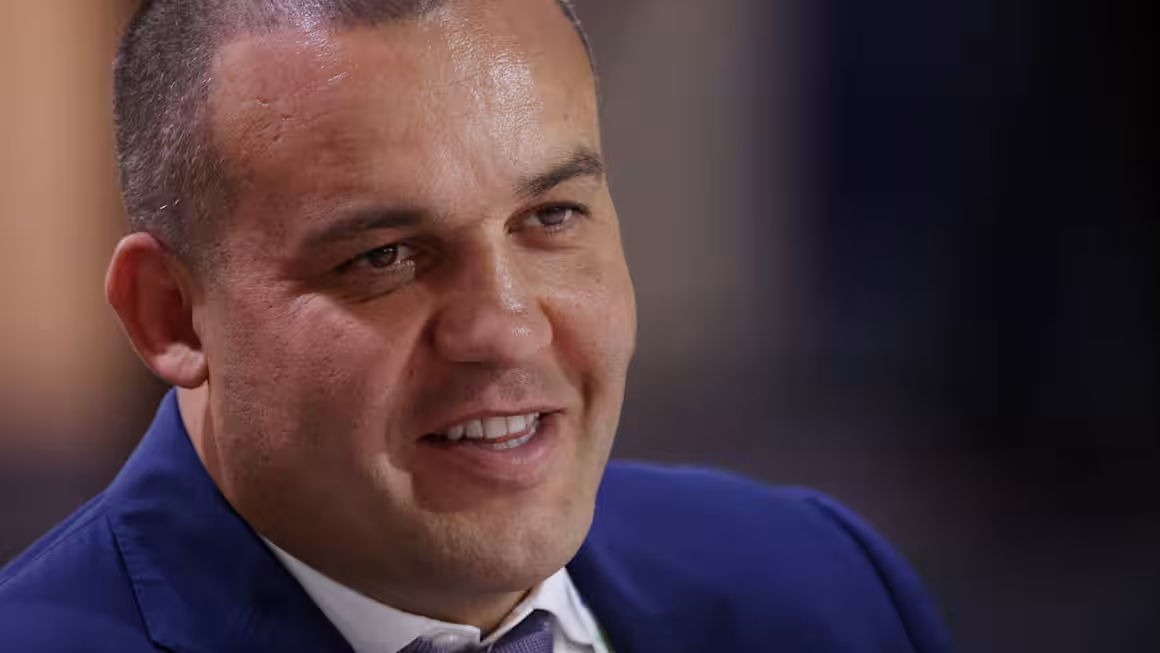
Jeff Currie, energy strategist at the Carlyle Group, has declared that global markets are at the onset of a new commodity supercycle, describing the potential rally as the most asymmetric trade in modern financial history. In a detailed analysis posted to X, Currie outlined a convergence of structural bottlenecks in physical materials and compute capacity, urging investors to take long positions in the sector.
The strategist identified a critical disconnect between artificial intelligence capital expenditures and the physical infrastructure required to support them. Currie noted that major technology firms, including Alphabet, Meta, Microsoft, and Amazon, are projected to spend more than $700 billion on capital expenditures in 2026. Despite this surge in demand, he argued that capital markets have largely ignored the underlying hard assets, such as energy and metals, that are essential for running AI operations.
Supply constraints are being exacerbated by geopolitical instability, particularly the conflict in Iran. Citing data from Goldman Sachs, Currie highlighted that the oil market has lost more than 13.7 million barrels per day, marking the largest energy supply shock in history. He warned that even if the conflict resolves, the strategic landscape of the Persian Gulf, a vital chokepoint for global energy and metals, has fundamentally shifted.
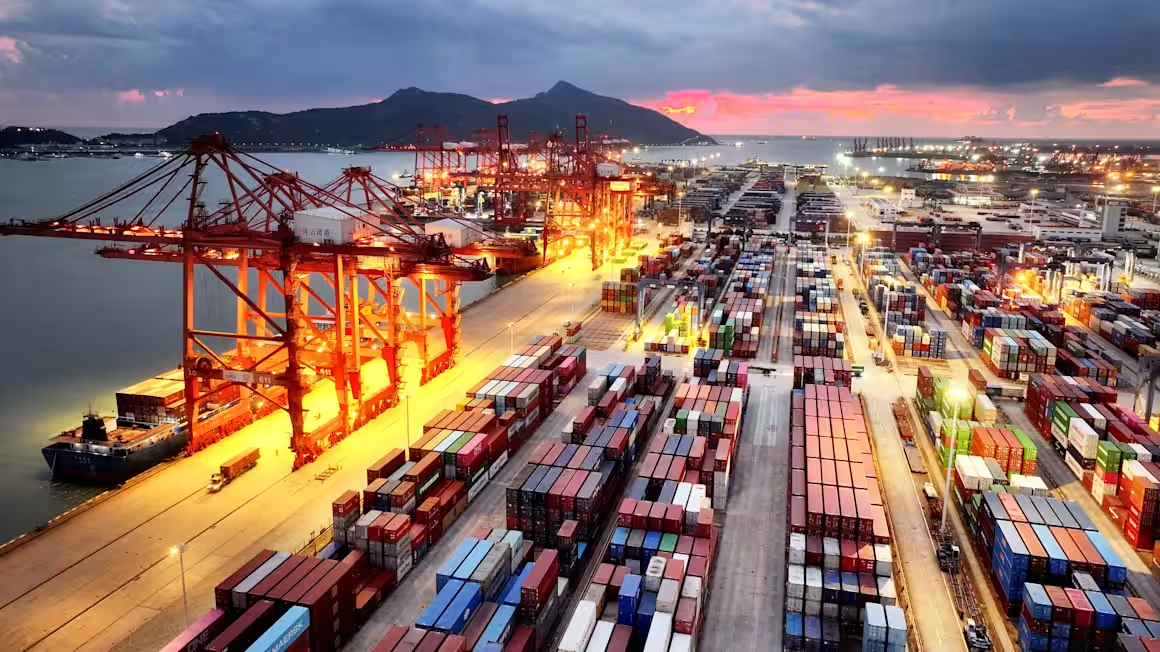
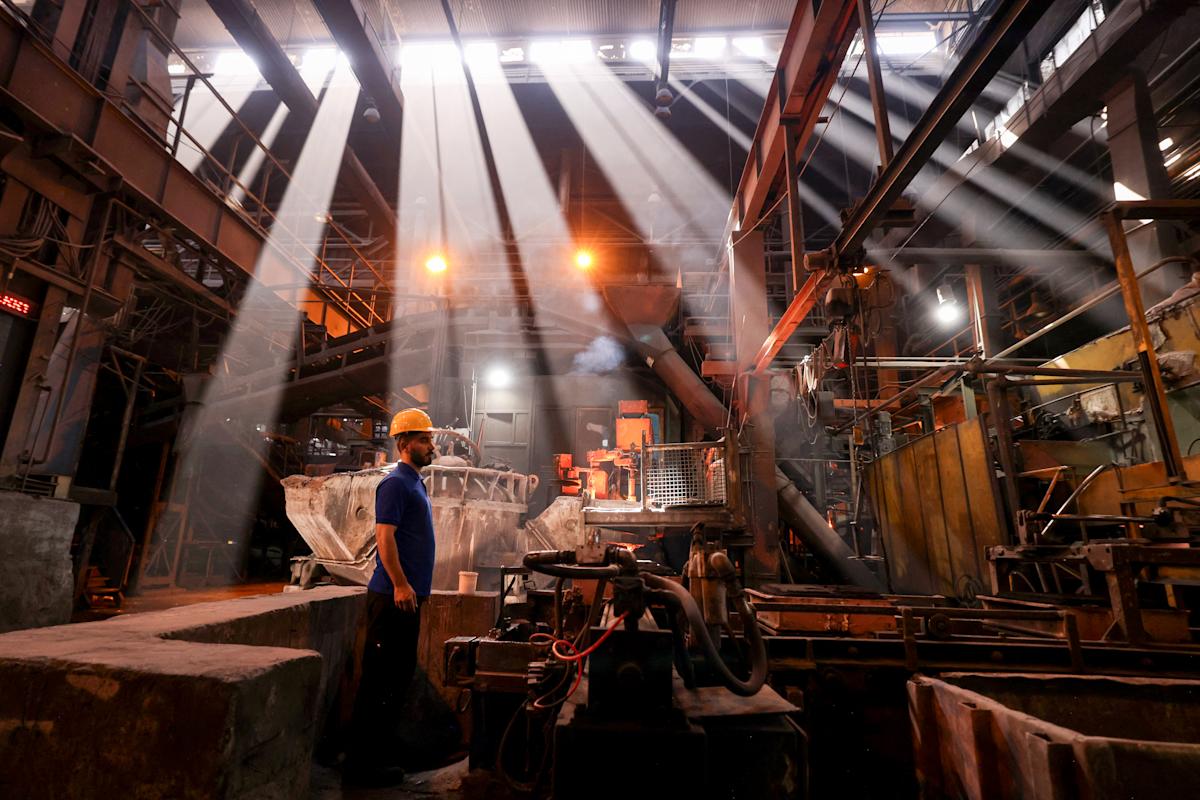
On the supply side, Currie pointed to a significant underinvestment in mining. He observed that the world’s top 20 miners are currently spending 40% less than they did at the peak of the previous supercycle in 2012. This reduction in capital expenditure comes amid booming demand for copper and aluminium, creating a supply-demand imbalance that he believes will drive prices higher.
The analysis also extends to the digital infrastructure layer, where compute capacity has emerged as a primary bottleneck. With leading AI labs pushing the boundaries of frontier models, demand for graphics processing units has reached extreme levels. The Chicago Mercantile Exchange is reportedly developing a futures market for compute capacity, benchmarked to GPU rental prices, while recent market activity, such as Cerebras shares opening at a 90% premium to their IPO price, underscores the intensity of investor interest.
Currie characterised the current economic shift as a move away from the “HAGO” model of hard assets and global operations that defined the early 2000s supercycle. Instead, he argued that deglobalisation is tightening supply chains, forcing a transition to a “HALO” model of hard assets and local operations. He concluded that the era of frictionless cross-border resource movement is over, leaving investors to prepare for a prolonged period of supply constraints and rising asset values.