Canonical Confirms Sustained DDoS Assault on Ubuntu Infrastructure
The attack, reportedly powered by the Beamed DDoS-for-hire service, has prevented users from installing or updating the operating system while authorities continue to pursue such cyber tools.
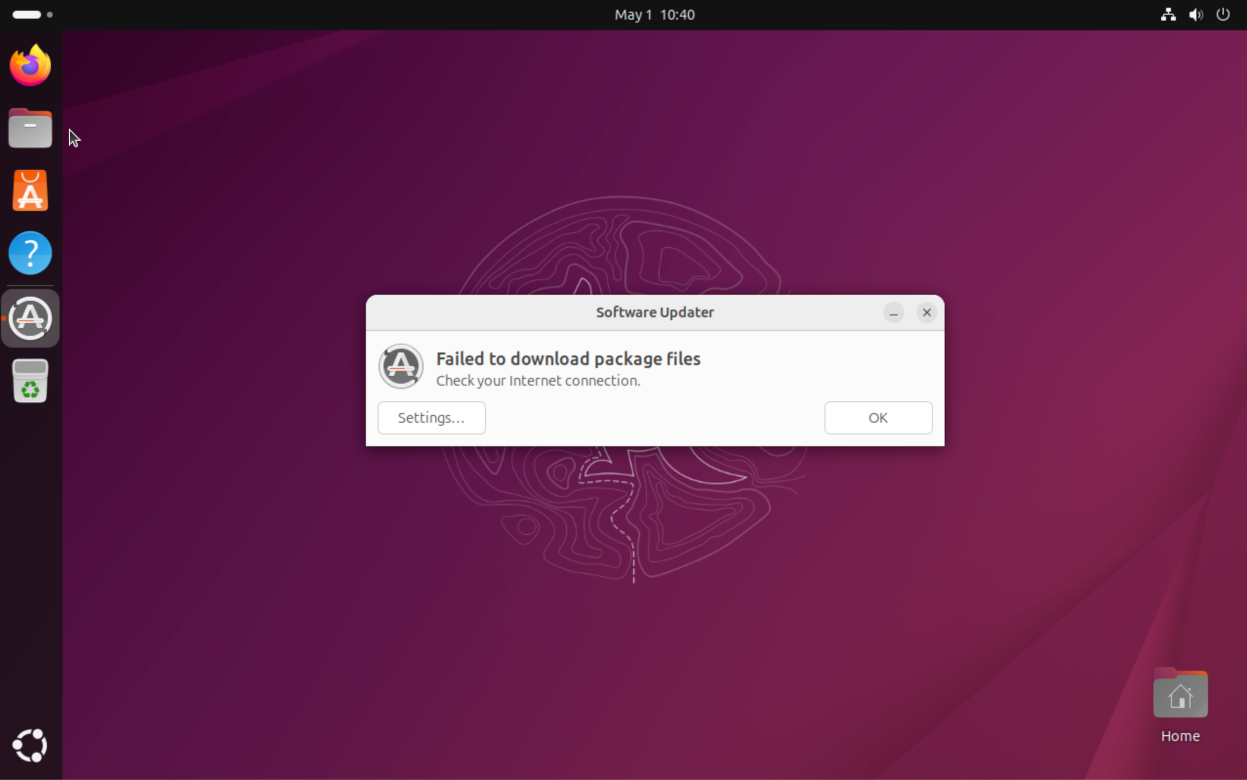
Canonical has confirmed that its web infrastructure is currently under a sustained, cross-border assault, resulting in a significant outage for the Ubuntu Linux operating system. The company stated on its website that the attack has prevented users from updating or installing the software and has made several Canonical websites inaccessible. As of the time of reporting, the disruption had been ongoing for approximately 20 hours.
Hacktivists identifying themselves as the Islamic Cyber Resistance in Iraq 313 Team have claimed responsibility for the incident via a Telegram channel. They stated that the assault was powered by Beamed, a DDoS-for-hire service often referred to as a booter or stresser. These services allow individuals without technical expertise to launch attacks by paying a fee to flood targets with junk traffic.
The scale of the attack is notable, with the service reportedly capable of generating traffic in excess of 3.5 Tbps. This capacity is comparable to half the bandwidth of the largest DDoS attack ever recorded by Cloudflare. Canonical described the event as a crude but effective method of flooding the target until the infrastructure overloads or crashes.
Verification of the outage has been confirmed through independent testing. TechCrunch reported that updates failed to install on a test device running Ubuntu, corroborating reports from the Ubuntu community regarding the impact on the security API. The disruption specifically affects the public-facing services that Ubuntu users rely upon for system maintenance.
Canonical did not respond to a direct request for comment from the news outlet regarding the incident. While the company indicated it is working to address the issue, no specific timeline for service restoration has been provided. The exact duration of the outage may fluctuate as the assault continues or is mitigated.
Historically, authorities such as the FBI and Europol have engaged in a persistent campaign against DDoS-for-hire services, often described as a game of whack-a-mole involving domain seizures and arrests. Despite these efforts, the availability of such tools allows non-technical actors to launch sophisticated attacks against critical digital infrastructure.
