Candlelight vigil marks death of international student Bikram Lama amid homelessness crisis
Event organisers say current visa restrictions deny access to emergency accommodation and healthcare, leaving hundreds reliant on overstretched charities
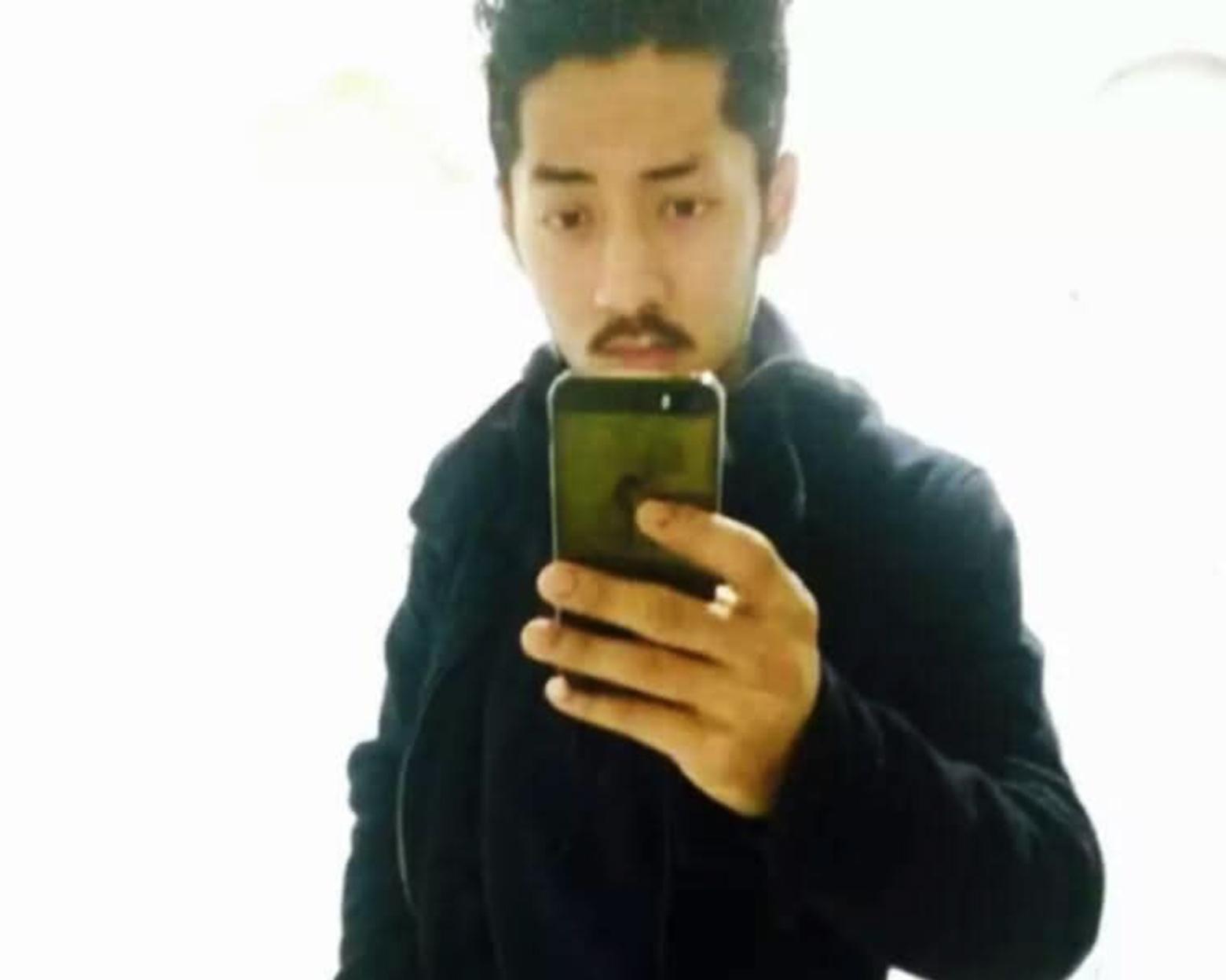
A candlelight vigil was held in Sydney's Hyde Park on Thursday evening to honour Bikram Lama, an international student who died while homeless. Organised by community groups, the gathering aims to acknowledge the plight of non-residents in Australia who are denied access to government-funded emergency accommodation, income support, and healthcare due to their visa status.
The event underscores the call for tertiary institutions to uphold their duty of care towards international students and for systemic changes to prevent homelessness-related deaths among vulnerable non-resident populations. Erin Longbottom, a colleague of the deceased, stated that even if Bikram Lama were alive today, the current system could not guarantee him a way out of homelessness.
Longbottom highlighted that while the New South Wales government temporarily offered government-funded emergency accommodation and health support to non-residents during the early months of the pandemic, these arrangements were reverted to the previous exclusionary policies once lockdowns ended. This reversion leaves many individuals without a safety net, forcing them to rely heavily on overstretched charities for basic crisis services.
In this context, non-residents refers to people in Australia who are asylum seekers, temporary visa holders, undocumented people, or New Zealand citizens who arrived after 2001. Due to their visa status, this group is often denied access to temporary accommodation, social housing, income support, and, in many cases, healthcare. Many also face tight employment restrictions or are unable to work, making them highly vulnerable to financial hardship following events such as job loss, relationship breakdowns, or illness.
St Vincent's Hospital research indicates that people who have experienced a single episode of homelessness are at a four times higher risk of premature death than the general population. Critics argue that Australian universities and colleges, which have built a sophisticated global recruitment machine particularly from developing nations, are doing the bare minimum regarding the welfare and wellbeing of their international enrollees.
Hundreds of stories similar to Bikram's exist, with non-residents heavily reliant on overstretched charities due to their inability to access standard crisis services. The vigil serves as a reminder that no one should die because they are homeless, prompting a demand for policy adjustments to ensure lifesaving care is not qualified by visa status.