Canadian dollar slides as trade tensions with US escalate
Currency falls as analysts suggest Ottawa and Washington are moving toward an all-out trade war, with Canada facing greater exposure due to its open economy.
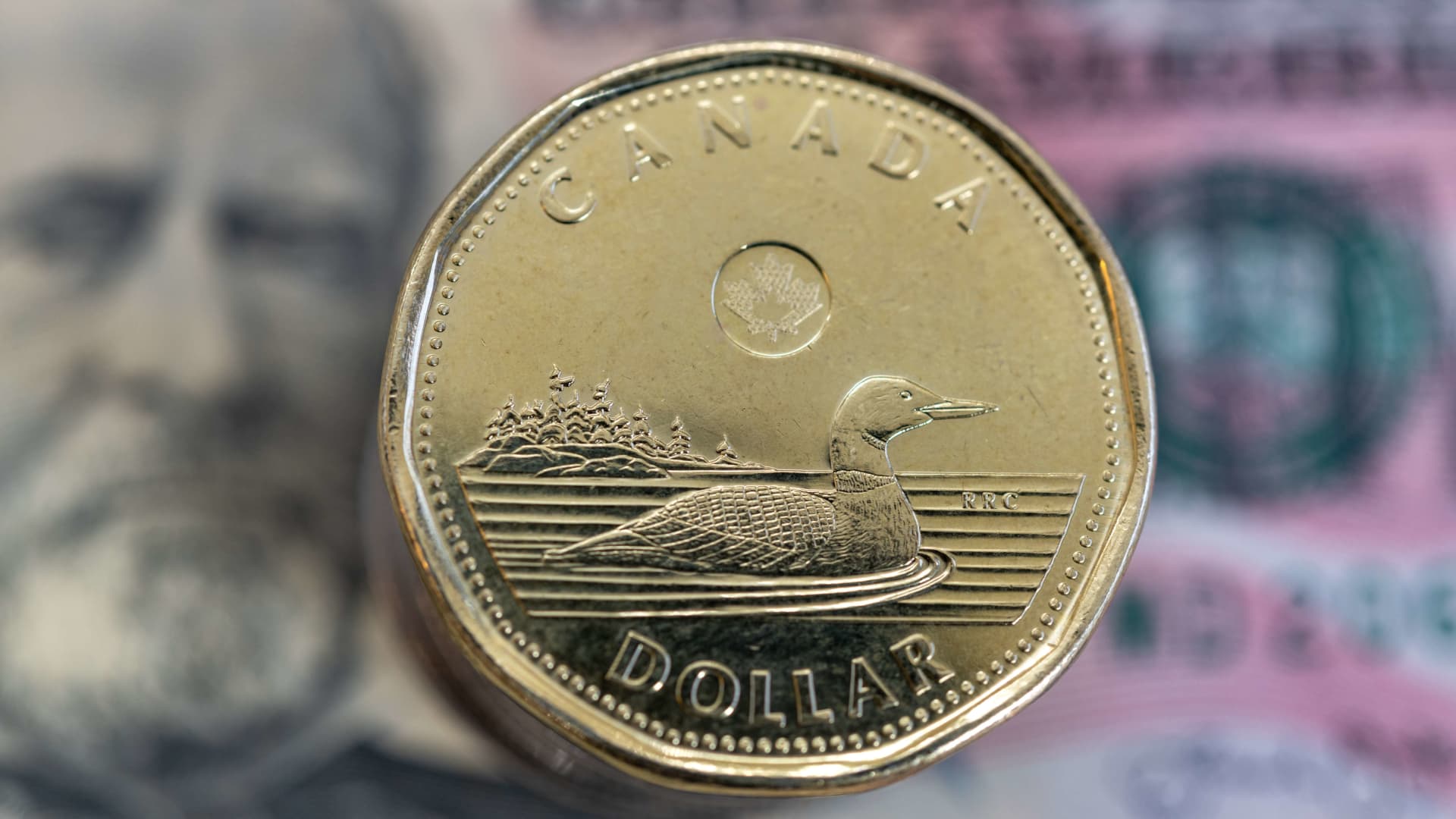
The Canadian dollar has declined as trade friction between Ottawa and Washington intensifies, with market participants increasingly viewing the dispute as a trajectory toward a full-scale trade war. The currency’s slide reflects growing uncertainty over the economic relationship between the two nations, which have moved from diplomatic engagement to direct economic countermeasures.
According to ING strategists, the asymmetry of the dispute is a key factor in market sentiment. "As a smaller, more open economy, Canada has more to lose from this," the bank’s analysts noted. This assessment highlights the structural vulnerability of the Canadian economy compared to its larger northern neighbour in the context of bilateral trade restrictions.
The current escalation follows the United States imposing 50 per cent tariffs on $20bn worth of Canadian goods. In response, the Canadian government formally suspended trade negotiations with Washington, marking a significant shift from active diplomacy to retaliatory action. Ottawa has vowed dollar-for-dollar retaliation against the new duties, signalling a hardening of its trade stance.
While the specific magnitude of the Canadian dollar’s decline was not quantified in initial reports, the direction of travel is clear. The dispute has effectively shifted the dynamic between the two capitals, with both sides now implementing direct economic measures rather than seeking a negotiated settlement.
For investors, the key takeaway is the heightened risk associated with the North American trade relationship. The involvement of major economies in tariff wars typically introduces volatility into currency markets, particularly for nations with high trade dependencies. ING’s commentary suggests that the market is pricing in a prolonged period of tension rather than a quick resolution.
The situation underscores the broader geopolitical risks currently impacting global markets. As the dispute evolves, the focus will remain on whether the retaliatory measures lead to further de-escalation or a deepening of the trade rift between the world’s two largest economies.