Canada restricts livestock imports as US confirms second Texas screwworm case
The United States has verified a second instance of New World screwworm in Texas, prompting immediate import restrictions from Canada to protect domestic herds.
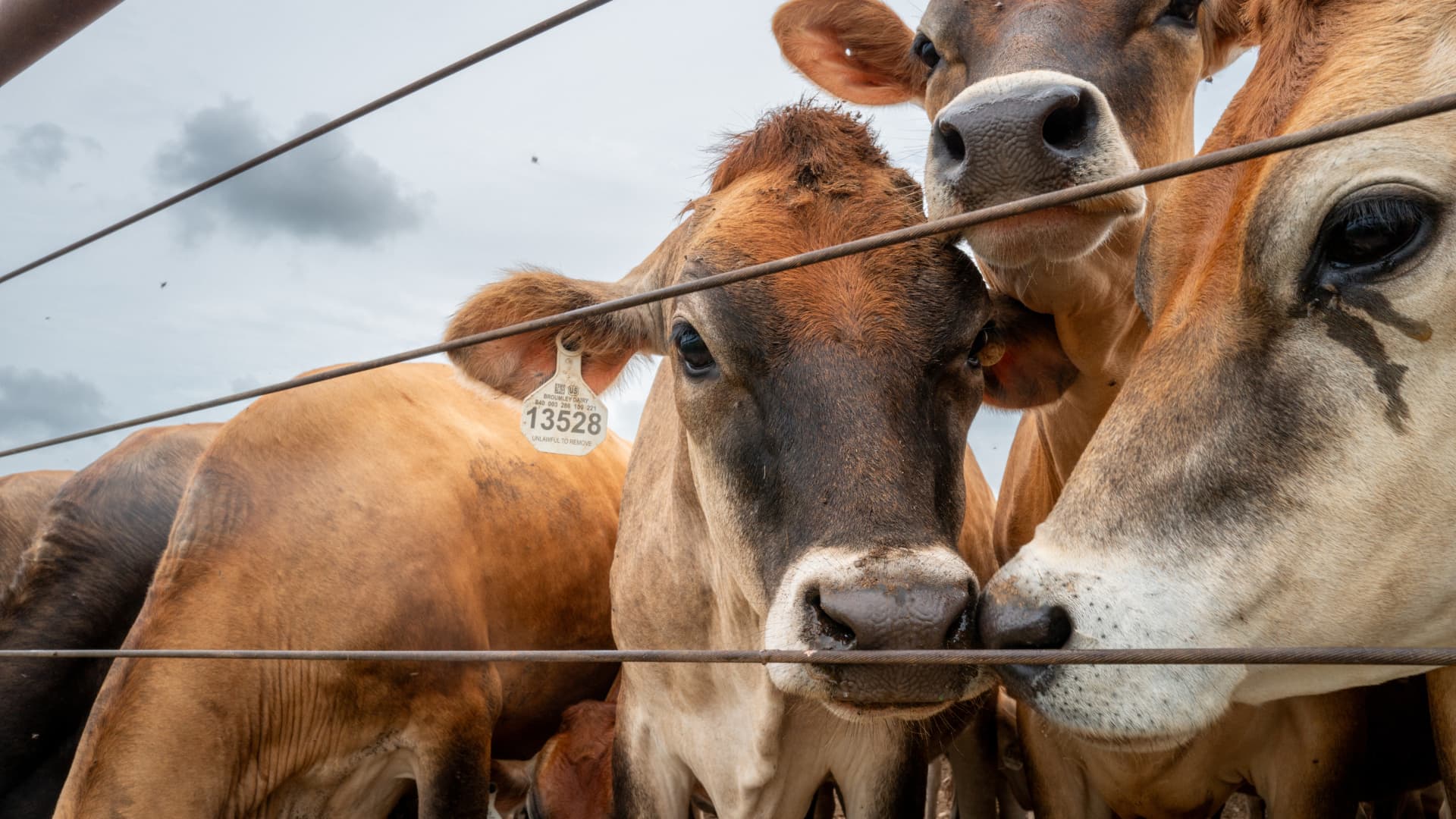
The United States has confirmed a second case of New World screwworm in Texas, according to reporting by CNBC. The confirmation marks the second known instance of the parasitic infestation in the state, raising concerns regarding cross-border animal health and trade flows.
New World screwworm larvae feed on the living tissue of warm-blooded animals, creating severe wounds that can be fatal if left untreated. The parasites target the flesh of livestock and other warm-blooded hosts, posing a significant risk to agricultural sectors if the infestation spreads.
In response to the confirmed cases, Canada has implemented restrictions on livestock imports. The measures are designed to prevent the potential introduction or spread of the parasite across the northern border, safeguarding domestic herds from the threat identified in Texas.
The outbreak occurs against a backdrop of heightened cross-border activity, with the 2026 FIFA World Cup commencing on June 11. The tournament is co-hosted by the United States, Mexico, and Canada, creating a period of significant movement and logistical coordination across the region.
While the timing of the screwworm cases coincides with the lead-up to the World Cup, the relationship is contextual rather than causal. The restrictions reflect standard biosecurity protocols in response to a specific veterinary threat, distinct from the logistical demands of the international sporting event.
The United States Justice Department recently closed its inquiry into Federal Reserve Chair Jerome Powell regarding renovation cost overruns. This development is unrelated to the agricultural health issues currently affecting the US-Canada border.