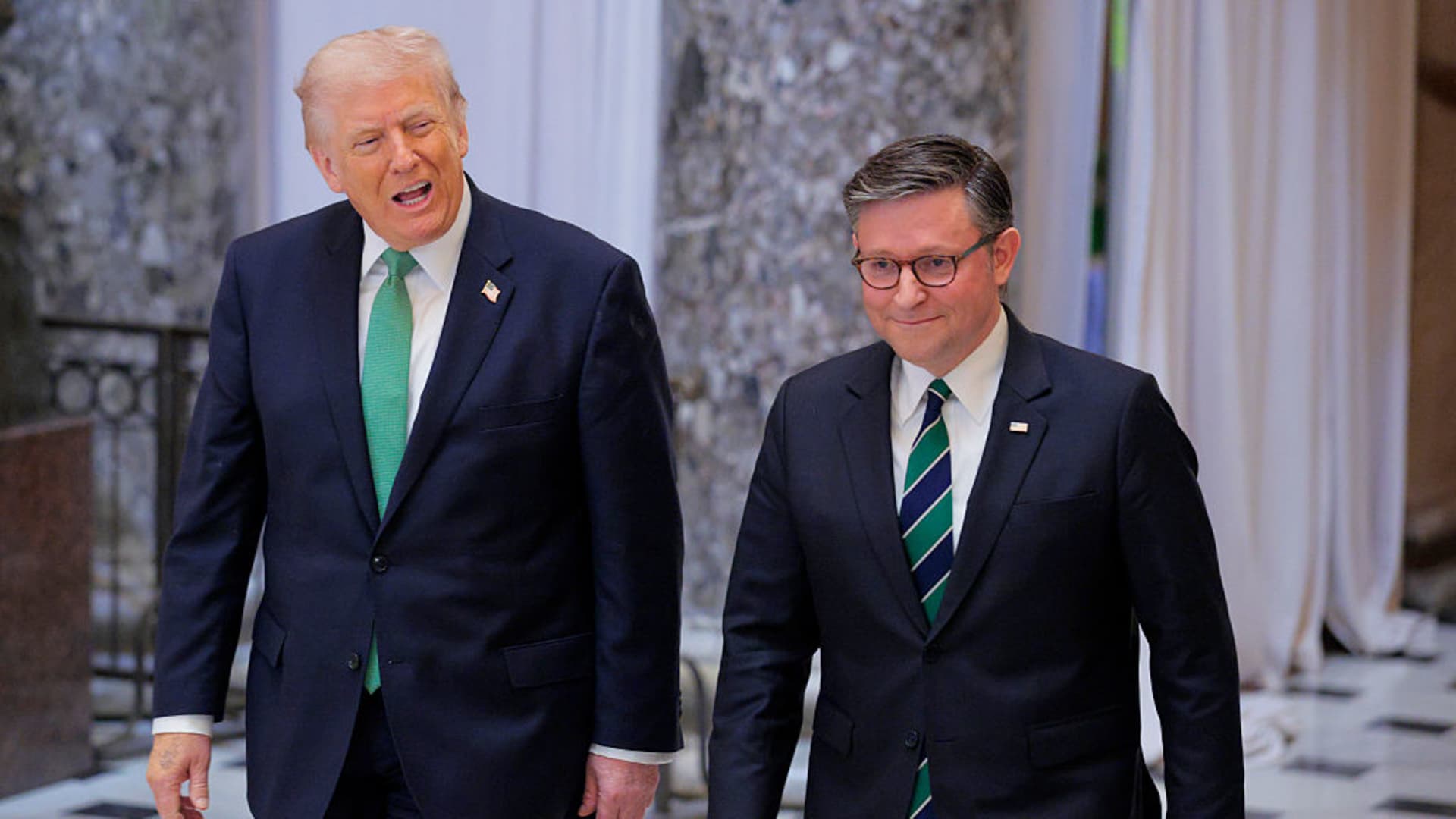
Canada readies trade retaliation as US tariff talks collapse
Ottawa is preparing countermeasures against a 50 per cent tariff hike on auto imports after negotiators returned from Washington without a deal.
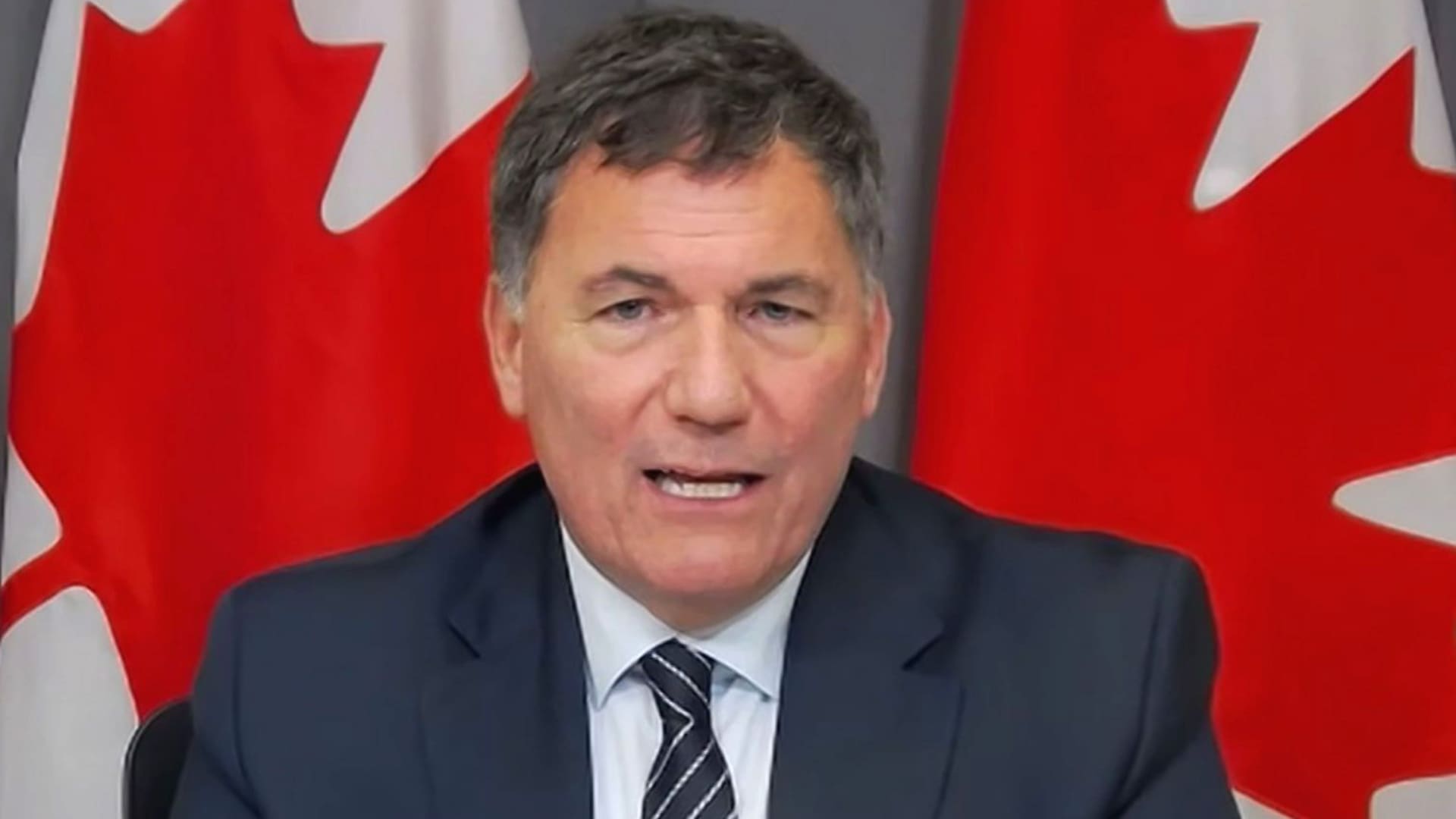
Canadian trade negotiators have departed the United States without securing an agreement to halt the implementation of new tariffs imposed by President Donald Trump. The failed talks leave Ottawa poised to launch retaliatory measures, with officials indicating they are no longer waiting for a response from Washington.
The dispute centres on a significant 50 per cent tariff increase on Canadian cars, trucks, and auto parts. This measure is scheduled to take effect on 1 January 2027, creating a tight timeline for both nations to resolve their differences before the new rates apply to cross-border trade.
According to reporting from CNBC, Canadian officials characterised the current standoff by stating they are “not waiting by the phone” for a reply from the US administration. This sentiment suggests a shift in strategy from passive negotiation to active preparation of counter-tariffs or other economic levers.
The breakdown in talks occurs amidst broader trade tensions involving other major economies, including China and the United Kingdom. While specific details of Canada’s retaliatory package have not yet been defined, the move signals a hardening of the Canadian position in the face of US protectionist policies.
For investors, the uncertainty surrounding the timing and nature of the retaliation adds a layer of risk to North American supply chains. The auto sector, in particular, remains vulnerable as the two largest trading partners navigate their divergent economic interests.
The next few months will be critical in determining whether the tariffs become a permanent fixture of US-Canada trade relations or if a last-minute diplomatic breakthrough can be achieved.