California jury dismisses Musk’s OpenAI lawsuit on procedural grounds
A US District Court jury has found OpenAI co-founders Sam Altman and Greg Brockman not liable for allegedly unjustly enriching themselves, ruling that Elon Musk’s claim was filed outside the legal timeframe.
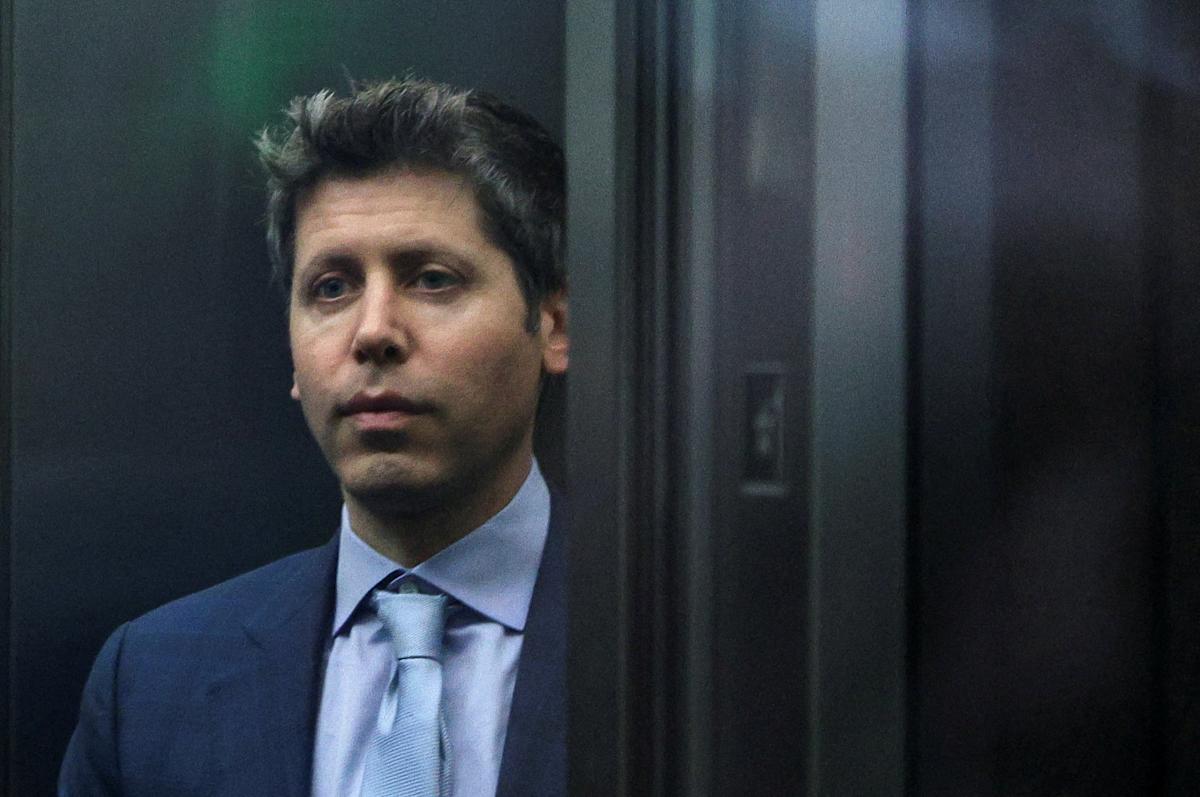
A California jury has found OpenAI co-founders Sam Altman and Greg Brockman not liable for allegedly unjustly enriching themselves by converting the company from a nonprofit to a for-profit business. The verdict was determined on the procedural grounds that Elon Musk filed the lawsuit outside the statute of limitations, rather than on the merits of the case regarding the company’s structure.
US District Court Judge Yvonne Gonzalez Rogers accepted the jury's verdict, confirming Musk's loss in the high-profile dispute. Musk, who initially sued Altman, Brockman, OpenAI, and Microsoft, one of the company’s biggest backers, had claimed he donated money to the startup with the understanding that it would remain a nonprofit. He described the outcome as a “calendar technicality” in a post on his social media platform X.
During the three-week trial, Musk’s attorney, Steven Molo, cross-examined Altman and Brockman, challenging their credibility and referencing Altman’s temporary ouster from the OpenAI board in 2023. At that time, the board cited a lack of consistent candour, though Altman was reappointed days later. Molo told jurors that Altman’s credibility was directly at issue, stating, “If you cannot trust him, if you don’t believe him, they cannot win.”
OpenAI’s legal team argued that multiple witnesses testified Musk did not condition his donations on the company remaining a nonprofit. Molo similarly criticized Brockman’s responses under cross-examination, describing the OpenAI president’s answers as indirect and rambling. The jury’s decision specifically hinged on the statute of limitations, avoiding a ruling on the substantive arguments regarding the company’s organisational structure.
The verdict comes as OpenAI competes with rival Anthropic in a race to go public, with Anthropic rumored to plan an initial public offering by the end of 2026. The broader AI sector is expected to see a “blowout year” for initial public offerings in 2026, with investors closely watching the strategic moves of major players in the artificial intelligence space.
Musk indicated via X that he will appeal the decision to the 9th Circuit US Court of Appeals. The appeal will likely focus on the procedural aspects of the dismissal, as the jury did not rule on whether the conversion from nonprofit to for-profit constituted unjust enrichment.
The outcome marks a significant legal milestone for OpenAI, removing a long-standing lawsuit from a co-founder that had cast a shadow over the company’s governance and financial trajectory. Microsoft’s continued backing remains a critical factor in OpenAI’s ability to pursue its public listing ambitions.