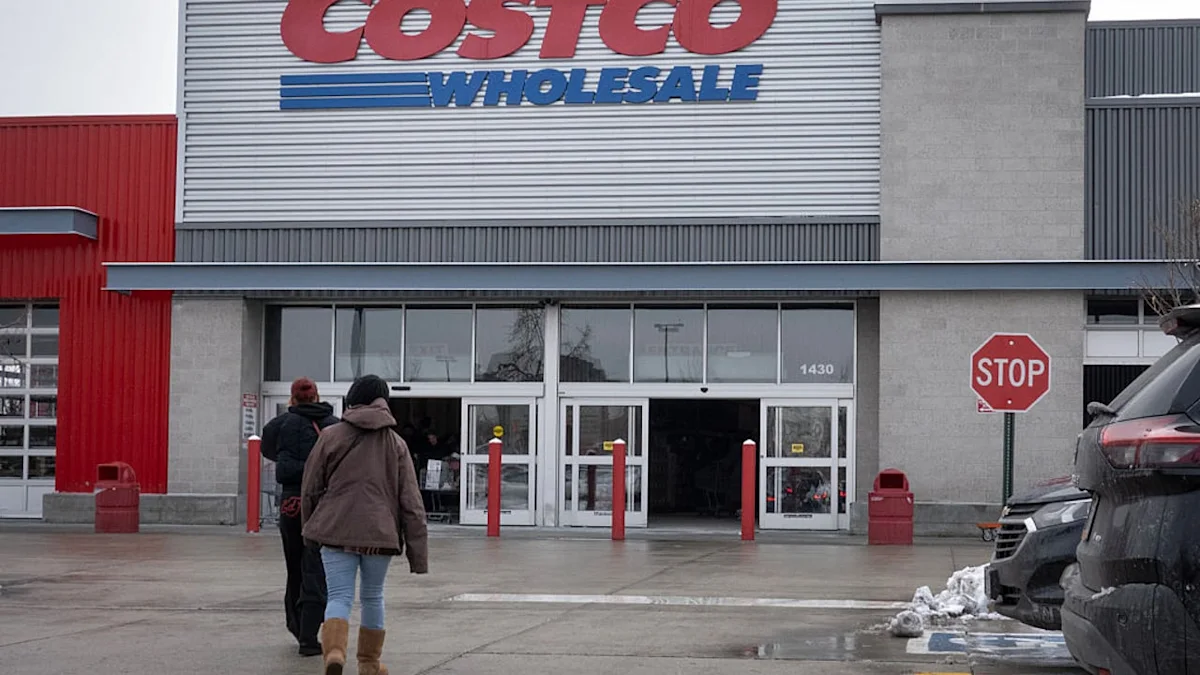
California Governor urges drivers to skip Chevron as AAA study vindicates premium fuel
Governor Gavin Newsom’s office has launched a social media campaign against Chevron, citing price disparities, while new American Automobile Association research highlights the long-term value of Top Tier detergent standards.
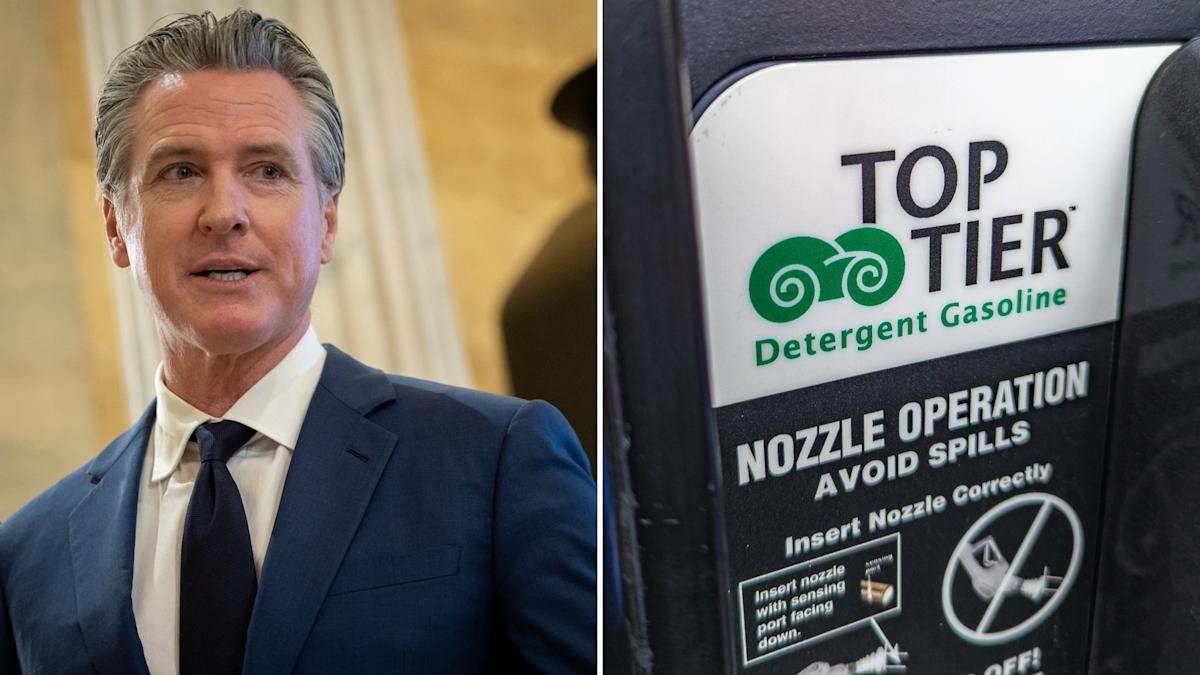
The office of California Governor Gavin Newsom has issued a direct warning to drivers to avoid branded Chevron gasoline, describing the fuel as a financial burden on consumers. In a post on the platform X ahead of the Memorial Day holiday, the Governor’s office argued that unbranded fuel originates from the same refineries, storage tanks, and pipelines as branded variants, meeting identical state standards for engine cleanliness. The campaign highlights a significant price gap, with images showing Chevron stations charging between $6.39 and $6.49 per gallon, compared to generic competitors priced just under $5.80.
This public rebuke forms part of an escalating dispute between the Newsom administration and Chevron, which has previously threatened to withdraw operations from the state over refinery taxation policies. Chevron president Andy Walz recently warned that continued tax pressures could result in the loss of refineries within a decade. The company’s local infrastructure is critical to the region’s energy security, with its El Segundo and Richmond refineries processing approximately 34.68 per cent of California’s crude oil capacity. Chevron has responded to political criticism by posting signs at stations claiming politicians favour foreign oil over local jobs and lower costs.
While the political narrative focuses on immediate pump prices, data from the American Automobile Association (AAA) suggests that branded fuel offers tangible long-term benefits. California currently records the highest gasoline prices in the United States at $6.13 per gallon, significantly above the national average of $4.55. However, AAA testing indicates that Top Tier gasoline, a standard introduced in 2004 by major automakers including General Motors and Toyota, contains higher levels of detergent additives than minimum Environmental Protection Agency regulations require.
The economic argument for premium fuel is supported by rigorous testing data. AAA found that engines running on non-Top Tier fuel accumulated 19 times more engine deposits than those using Top Tier fuel after 4,000 miles. The average premium for this higher-quality fuel is approximately 3 cents per gallon. Greg Brannon, AAA’s director of Automotive Engineering, noted that performance issues such as rough idling or hesitation during acceleration can often be resolved after a few thousand miles of using Top Tier gasoline.
Despite the clear engineering advantages, consumer behaviour remains heavily weighted towards immediate cost savings. AAA survey data reveals that while two-thirds of US drivers believe fuel quality varies, only 12 per cent select stations based on cleaner fuel options. Nearly three-quarters of drivers prioritise lower prices or convenience, with 47 per cent not regularly purchasing gasoline with enhanced detergent additives. The findings suggest a disconnect between political messaging on price and the technical realities of vehicle maintenance.