California gasoline prices surge to $6 per gallon as Strait of Hormuz tensions escalate
Prices in California have reached $6.01 per gallon, marking the highest rate in the United States, following confirmation that Iran is not reopening the critical oil export corridor.
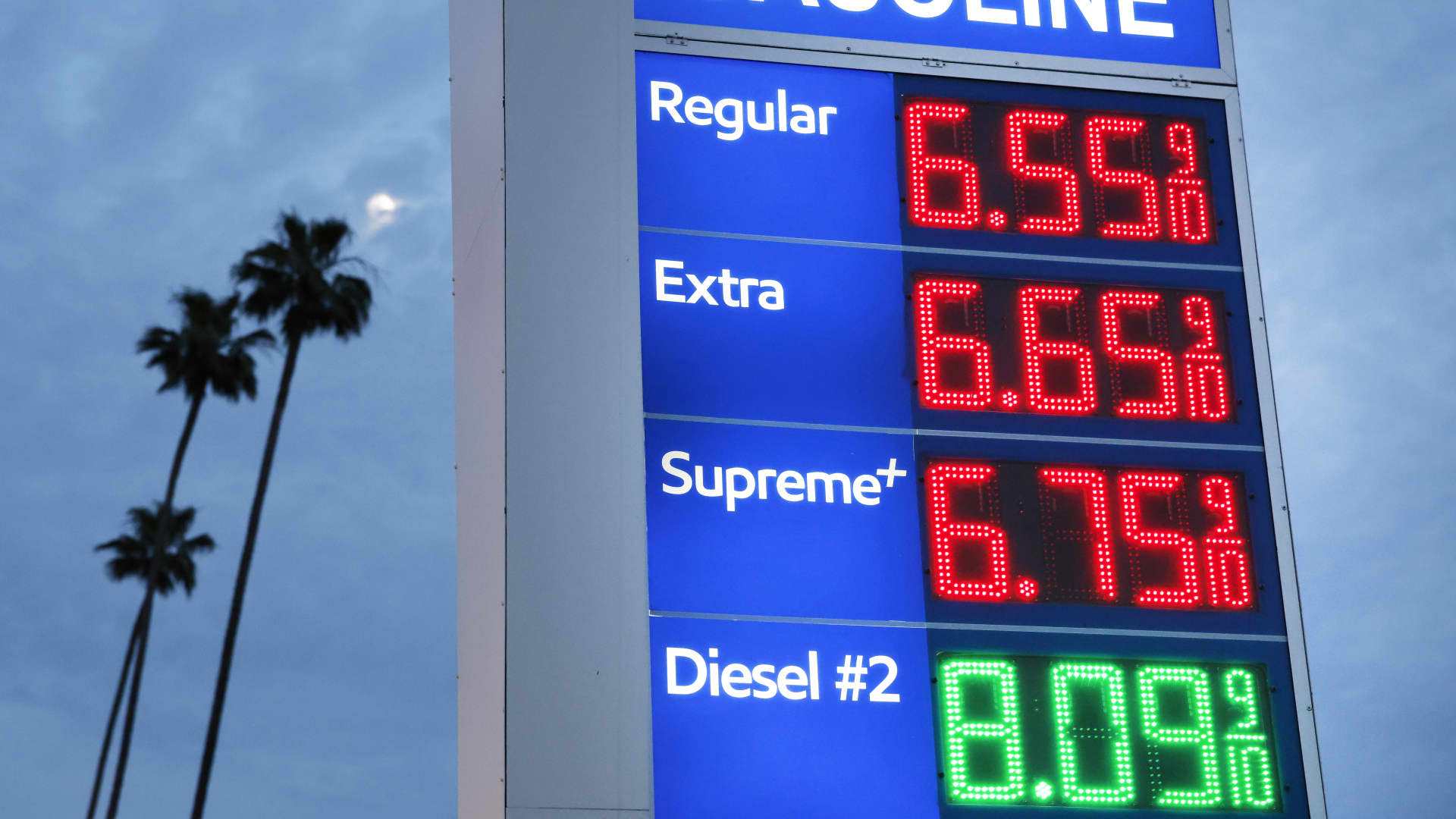
Fuel costs in California have climbed to $6.01 per gallon, establishing the state as the most expensive market for petrol in the United States. This sharp increase comes as prices across the wider nation rose by nearly 30 cents in a single week, reflecting a broader tightening in the supply chain driven by geopolitical instability.
The spike in retail costs is directly linked to the confirmation that Iran is not reopening the Strait of Hormuz, a vital artery for global oil exports. Since late February, the potential for a blockade in this region has effectively choked off crude and oil product flows, creating a persistent risk premium that traders are now pricing into the market.
Regional markets outside of California have also felt the pressure, with fuel costs in Nevada, Oregon, and Washington recently surpassing the $5 per gallon mark. Meanwhile, the national average for gasoline has risen to $4.30 per gallon, an increase of $0.07 from the previous day, indicating that the cost of energy is becoming a more significant burden for consumers across the country.
Underpinning these retail figures is a surge in crude oil prices, which have been pushed to approximately $105 per barrel due to the ongoing conflict in the Middle East. This current situation mirrors previous instances where military tensions involving Iran drove Brent crude prices to over $126 per barrel, suggesting that the market remains highly sensitive to developments in the region.
As the duration of the potential blockade remains an active assessment for traders, the economic implications are being closely watched by policymakers. The European Central Bank recently maintained its key interest rate at 2 per cent amidst similar rising inflation and escalating economic risks, highlighting the global nature of the challenge.
Investors and analysts are now focused on determining the extent to which this price surge will translate into sustained inflationary pressure for the US economy. With the Strait of Hormuz remaining closed and tensions high, the path forward for energy costs remains uncertain and dependent on the resolution of the underlying geopolitical dispute.