California gasoline prices hit $6.01 per gallon as regional fuel costs surge
National averages climb to four-year highs while economists debate whether elevated inflation has become a permanent fixture for the US economy.
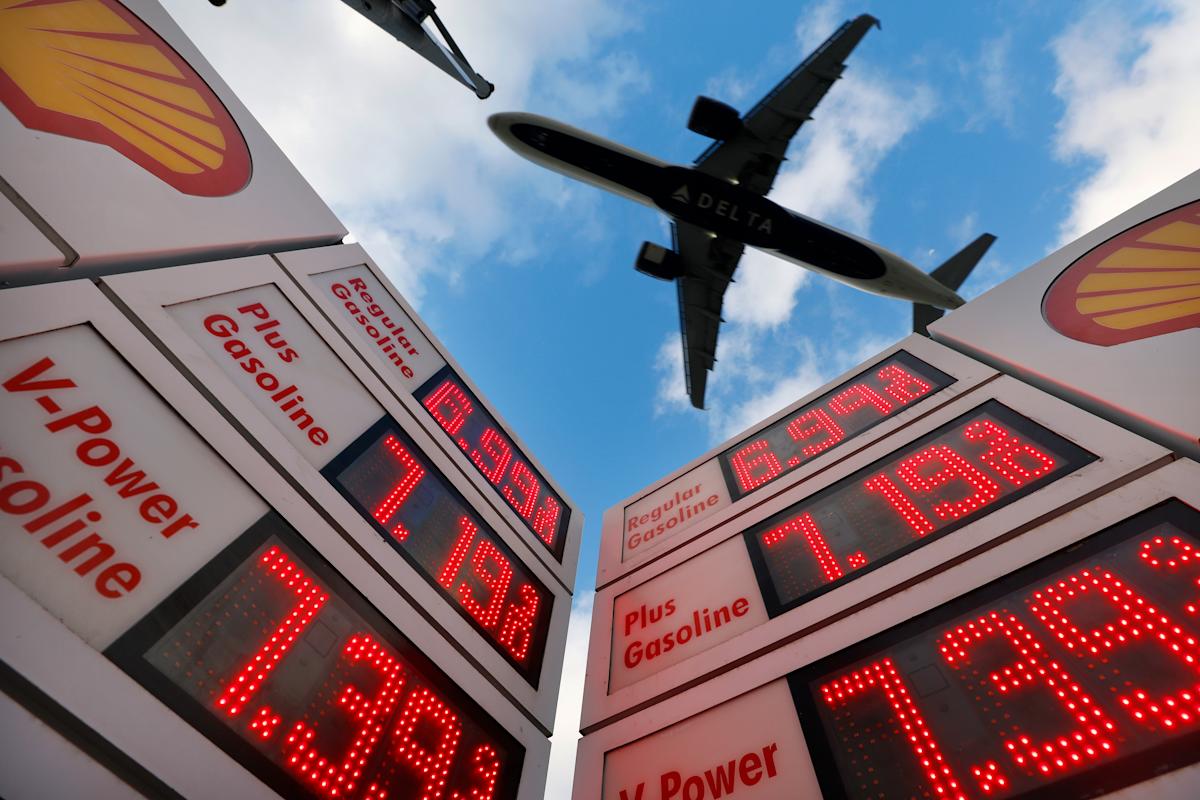
Gasoline prices in California officially reached $6.01 per gallon on Thursday, marking the highest rate in the United States. This development places the state ahead of Nevada, Oregon, and Washington, which have all recently surpassed the $5 per gallon mark. The surge in regional costs comes as the national average rose to $4.30 per gallon, representing an increase of $0.07 from the previous day and reaching the highest level since July 2022.
The spike in fuel costs is primarily attributed to the ongoing conflict in the Middle East, which has pushed crude oil prices to approximately $105 per barrel. Traders are currently assessing the risk of a prolonged blockade in the Strait of Hormuz, a flashpoint that has effectively choked off crude and oil product flows since late February. These geopolitical tensions have intensified economic risks, contributing to a jump in the US Personal Consumption Expenditures price index of 0.7% in the previous month, the largest gain since June 2022.
The financial impact on consumers has been significant, with data indicating that Californians have spent an additional $21.7 billion on gasoline since 1 March due to rising fuel costs. Patrick De Haan, head of petroleum analysis for GasBuddy, highlighted this expenditure on social media, noting that drivers are feeling the extra spend on filling their tanks. While crude prices eased slightly on Wednesday with Brent futures falling below $110 a barrel, West Texas Intermediate hovered near $105 as uncertainty regarding supply flows persists.
Analysts at Deutsche Bank have flagged that headline and core PCE inflation may remain above 2% for five consecutive years, raising questions about a potential shift to a new inflationary regime. On Thursday, the Federal Reserve voted 8-4 to hold interest rates unchanged, a decision made against a backdrop of rising inflation and escalating economic risks from the Middle East conflict. Officials issued a stark warning that the energy shock driven by the conflict has intensified, prompting economists to weigh how long energy prices can stay elevated before impacting the broader economy.
This situation mirrors previous instances where geopolitical tensions involving military options against Iran drove Brent crude to over $126 a barrel. The European Central Bank recently kept its key interest rate unchanged at 2% amidst similar rising inflation and escalating economic risks. As the US navigates this potential new inflationary environment, investors and policymakers are left to determine whether these elevated costs are transitory or indicative of a lasting change in the economic landscape.