California DMV finalises comprehensive regulations for autonomous vehicle testing and deployment
The California Department of Motor Vehicles has released two new regulatory packages governing the testing and deployment of autonomous vehicles, introducing a mechanism for law enforcement to cite manufacturers for traffic violations while simultaneously permitting heavy-duty autonomous vehicles on public roads.
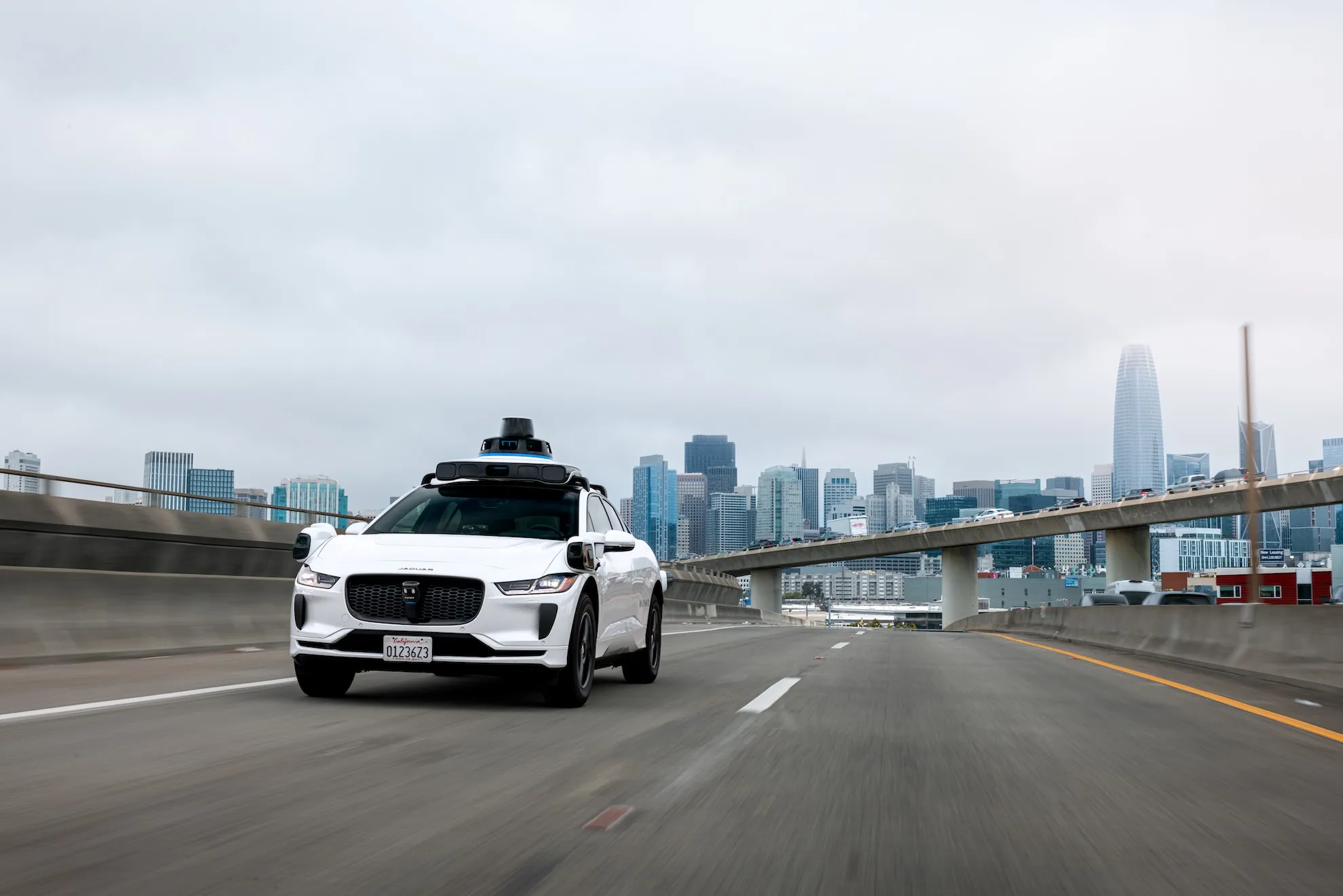
The California Department of Motor Vehicles has finalised two comprehensive regulatory packages, collectively spanning 100 pages, to govern the testing and deployment of autonomous vehicles. The regulations aim to standardise safety metrics and address long-standing industry concerns regarding inconsistent definitions of vehicle proficiency. A significant shift in accountability is introduced through a "Notice of Autonomous Vehicle Noncompliance" rule, which allows law enforcement to issue citations to autonomous vehicle companies for traffic violations committed by their vehicles.
Under this new framework, manufacturers are required to report such violations to the DMV within 72 hours of receiving notice from law enforcement. While these notices currently lack direct monetary fines, industry insiders argue that the resulting data collection serves as a more critical tool for accountability. The violations act as actionable data for the DMV to identify safety issues and take necessary action, replacing the previous annual disengagement reports which were criticised for making it impossible to compare the performance of different technologies.
The new reporting mandate replaces the controversial annual disengagement reports with a requirement to report "dynamic driving task performance relevant system failure." Although some industry participants describe this change as clearer than its predecessor, others note it is not universally beloved. The regulations also explicitly permit heavy-duty autonomous vehicles to test and deploy on public roads, a move welcomed by self-driving truck operators who are now preparing documentation to apply for necessary permits.
Beyond liability and reporting, the rules introduce stringent operational mandates designed to ensure safety during deployment. These include mandatory access to manual vehicle override systems and a requirement for two-way communication links with a response time of no more than 30 seconds. Manufacturers must also provide annual updates to their first responder interaction plans to ensure safe and timely interactions with emergency services.
The rollout of these rules coincides with broader developments in the automotive sector, including the launch of a new $300 million fund by BMW i Ventures for AI in automotive applications. While the new regulations bring significant administrative burdens regarding data collection and sharing, the California DMV has moved to create a more robust framework for assessing the safety and reliability of autonomous vehicle technology on public roads.
