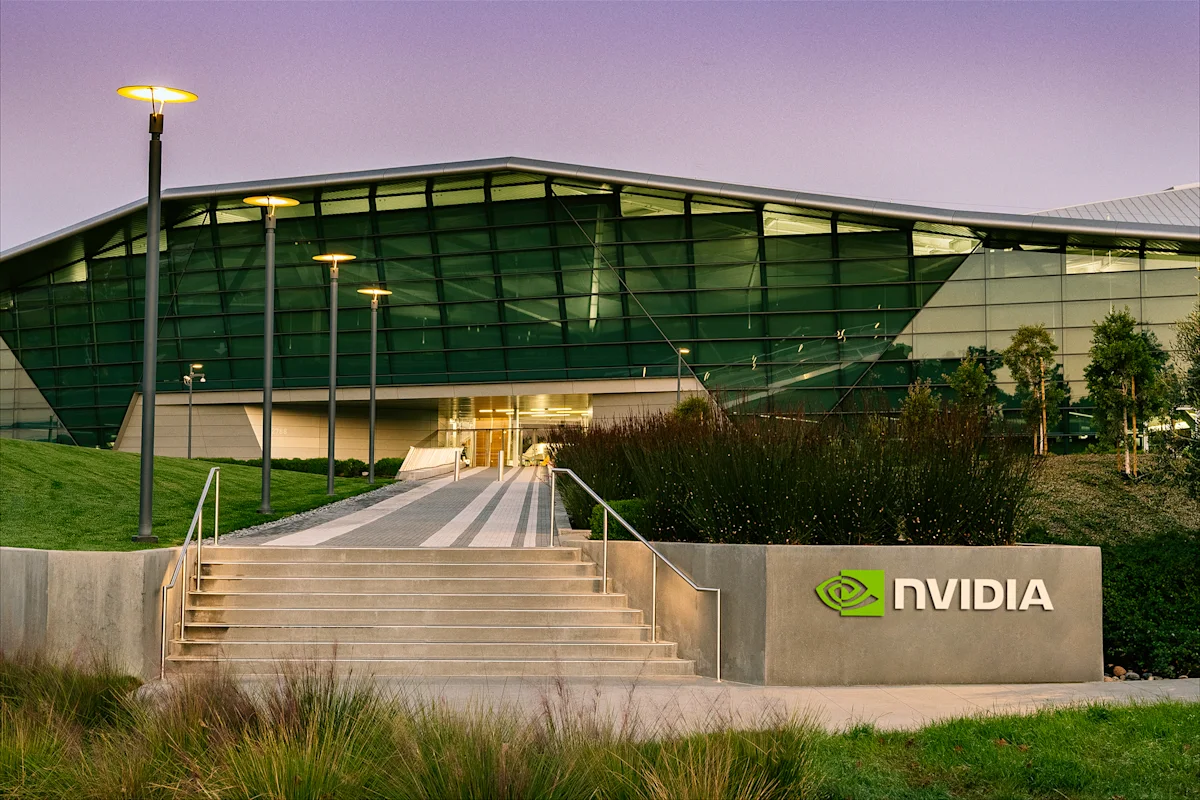
Burry flags 'fugazi' structure in Nvidia-Apollo deal as risk shifts to retirees
Michael Burry argues a complex financial pipeline moves credit risk off balance sheets and onto annuity holders, drawing parallels to Cisco’s dot-com era peak.
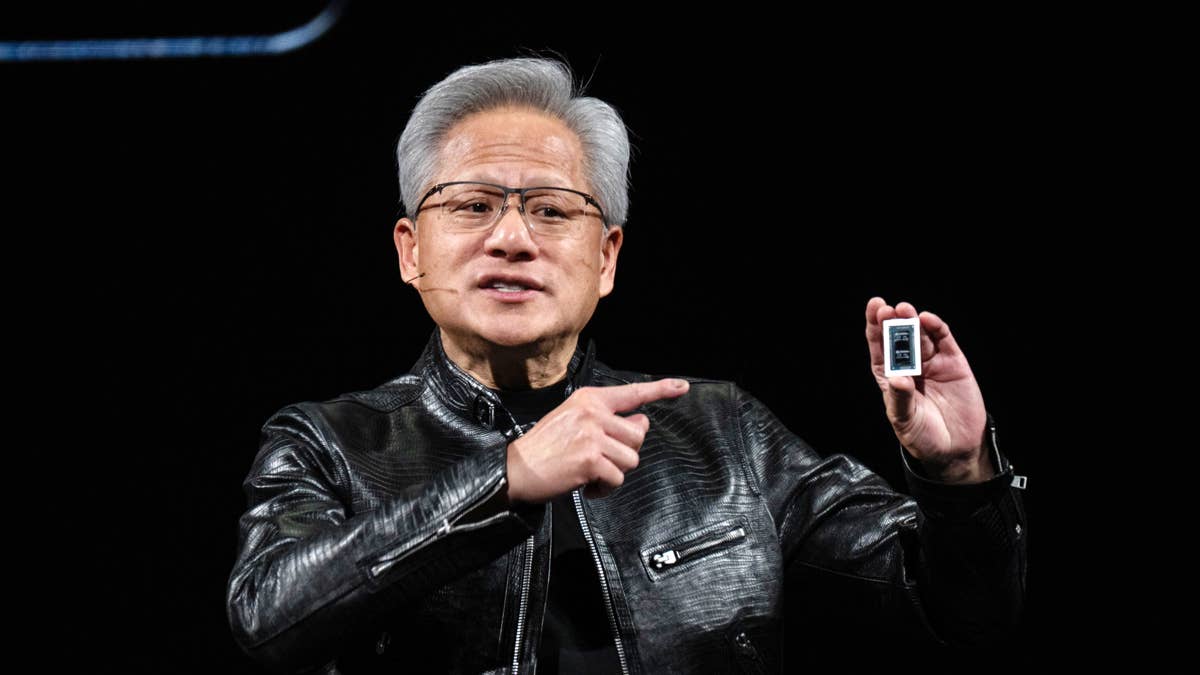
Investor Michael Burry has published a detailed critique of the financial architecture underpinning recent artificial intelligence infrastructure deals, arguing that a complex structure involving Nvidia, Apollo Global Management, and xAI is designed to obscure credit risk. In an analysis titled "The Retiree/Apollo/Nvidia/Bermuda/AMAPS/xAI Pipeline," published on his Cassandra Unchained Substack and X account on May 31, 2026, Burry described the arrangement as "fugazi," a term indicating something fake or contrived.
The core of Burry’s argument centres on a transaction where Nvidia sold more than 100,000 GB200 GPUs to a special-purpose vehicle, Valor Compute Infrastructure, for $5.4 billion. Nvidia booked the full amount as completed revenue while simultaneously investing $1.9 billion into Valor as an anchor limited partner. The GPUs are physically housed in xAI’s data centre and leased under a five-year triple-net agreement, yet neither Nvidia nor xAI holds the assets on their respective balance sheets.
Apollo Global Management provided $3.5 billion in debt financing for the structure, which was then packaged into securities and sold to Athene, Apollo’s insurance subsidiary. Athene markets fixed and indexed annuities to American retirees, leading Burry to contend that the credit risk associated with the AI infrastructure is ultimately borne by ordinary investors who are not equipped to evaluate the underlying exposure.
Burry highlighted significant concerns regarding Athene’s balance sheet, noting that the company has moved $217 billion in assets into a captive insurer based in Bermuda, outside normal US insurance regulation. Of its portfolio, $103 billion, or 34.7 per cent, is classified as Level 3 assets with no observable market prices. Burry pointed out that the leverage on these unpriced assets stands at 16.6 times, creating a fragility that he argues is masked by the legal and disclosed nature of the transactions.
Drawing a parallel to the dot-com boom, Burry compared Nvidia’s current valuation to that of Cisco Systems in 2000. He noted that the S&P 500’s Shiller CAPE ratio reached 41.6 in May 2026, the second-highest in 140 years of data. Burry’s implicit warning is that while the technology demand is real, the financial structures supporting it may be more fragile than revenue figures suggest, potentially leaving retirees to absorb losses if the model unwinds.
While some market observers have described the framing of "invisible risk" as sensationalised, arguing the deal structure represents standard private credit, Burry’s analysis adds to a growing scrutiny of revenue quality in the AI sector. The specificity of his structural breakdown marks one of the most detailed warnings from the investor since his pre-2008 crisis calls, raising questions about how forward models should account for such complex off-balance-sheet arrangements.