Burnham rules out immediate wealth tax as Mahmood tipped for Treasury
With Shabana Mahmood expected to serve as chancellor, Andy Burnham signals that tax reforms will focus on business rates rather than wealth levies, despite pressure from left-wing allies.
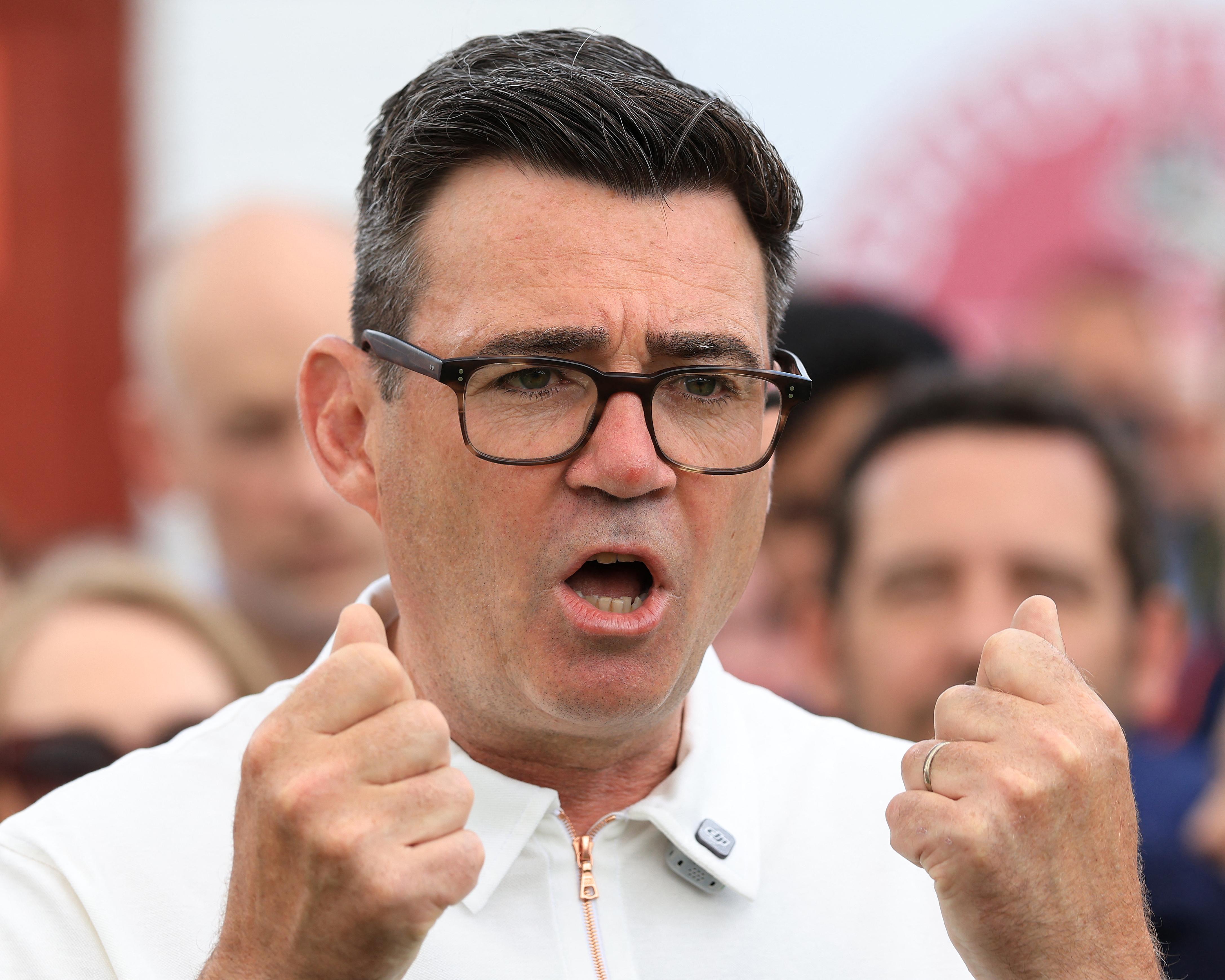
Incoming UK Prime Minister Andy Burnham has signalled that a wealth tax is not on the immediate agenda, stating he does not wish to create new societal divisions. The comments, made during an interview with Gary Lineker, ease concerns among the business community but constrain his economic policy options as he prepares to assume office. Burnham, who is tipped to appoint Shabana Mahmood as chancellor, ruled out immediate tax hikes on wealth, though he left open the possibility of such measures in the future.
Burnham told Lineker that while he believes in fairness, he does not want to be perceived as having grudges or demonising specific groups. He stated that decisions regarding wealth taxes are not for now and are reserved for another day. This stance aligns with his intention to adhere to existing borrowing rules and the 2024 Labour manifesto, which ruled out increases to national insurance, income tax, or VAT.
The incoming prime minister faces immediate financial pressures, including funding a £4.7bn defence investment plan and bringing utilities under public control. While he has flagged business rates as a potential area for change, he has resisted calls from some allies to raise capital gains tax to the level of income tax. Treasury officials have previously insisted that raising capital gains tax would not generate extra revenue due to the ability of wealthy individuals to move assets or delay sales.
Louise Haigh, a close parliamentary ally, has previously urged the consideration of a proper wealth tax to fund investments in the NHS, schools, and communities. Wes Streeting, the former Health Secretary, has also called for capital gains tax reforms. However, the appointment of Mahmood as chancellor is seen as a setback for Burnham’s more left-wing supporters who advocated for these measures.
Burnham is days away from entering No 10 after securing sufficient support among Labour colleagues to prevent a rival candidate. His decision to delay wealth tax reforms marks a significant shift in tone, prioritising economic stability and social cohesion over immediate fiscal redistribution.