Burnham pledges care levy overhaul and fiscal independence in Makerfield prospectus
Andy Burnham outlines plans to replace inheritance tax with a progressive care levy, defend Labour’s fiscal rules, and maintain a broad-church approach to party unity.
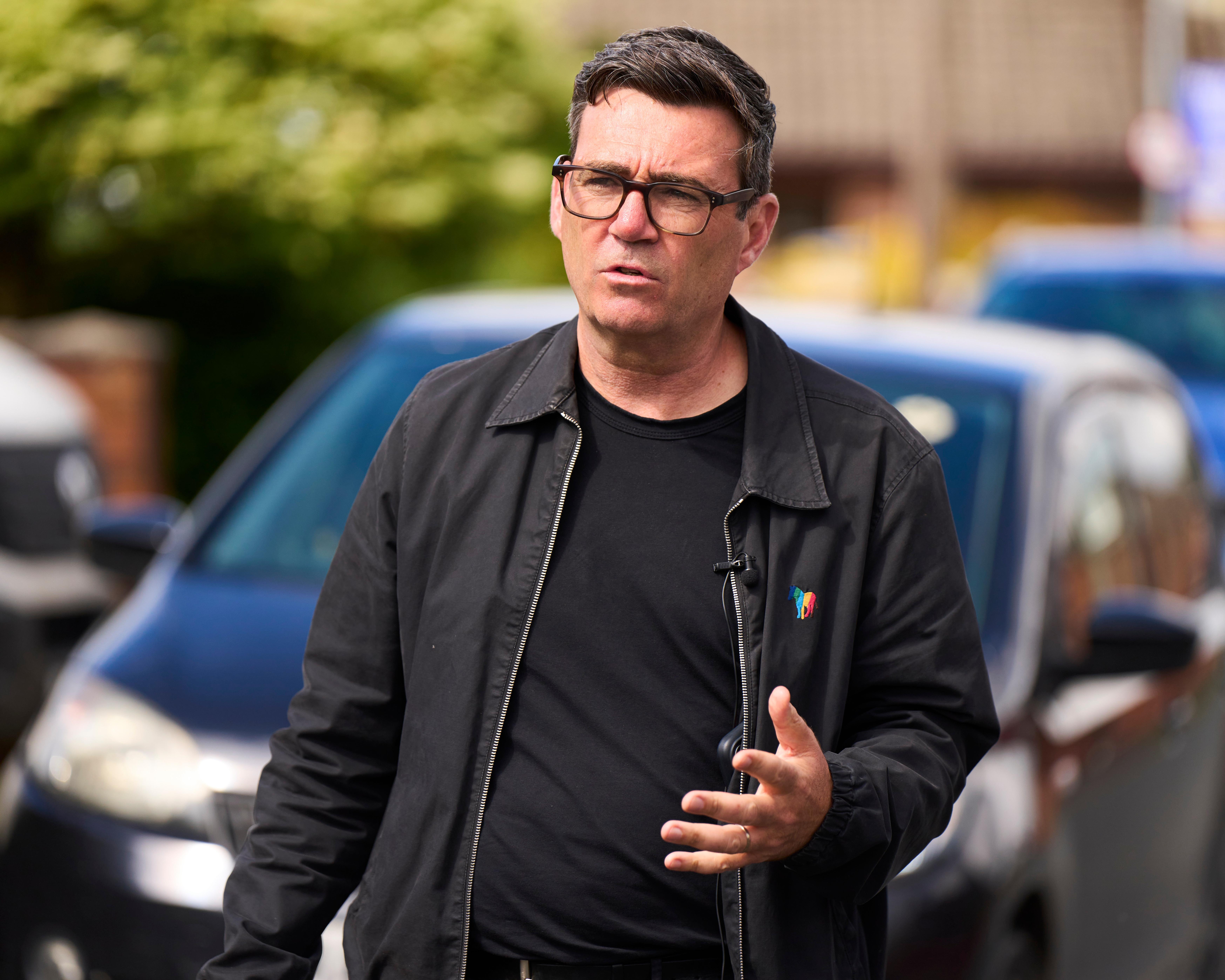
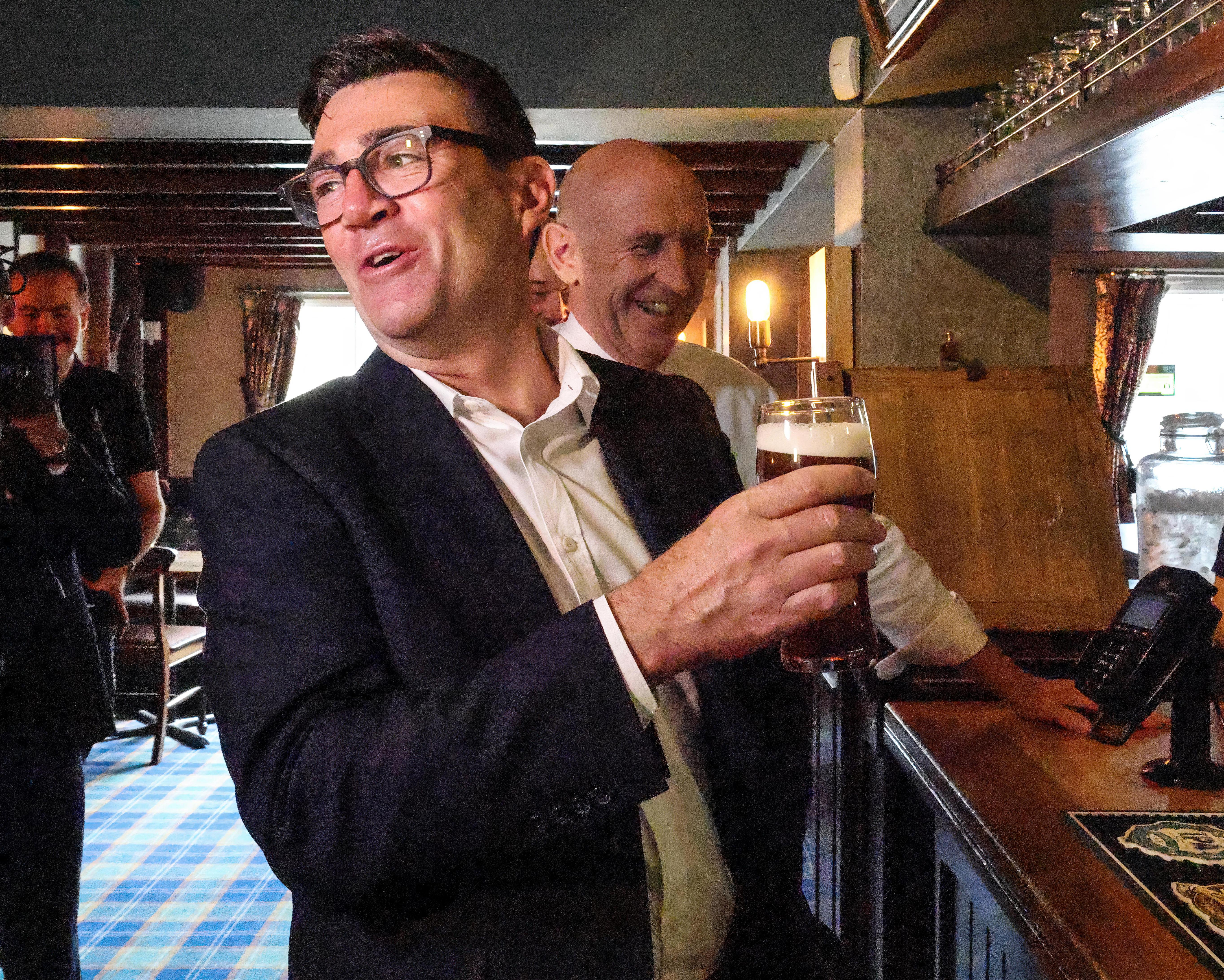
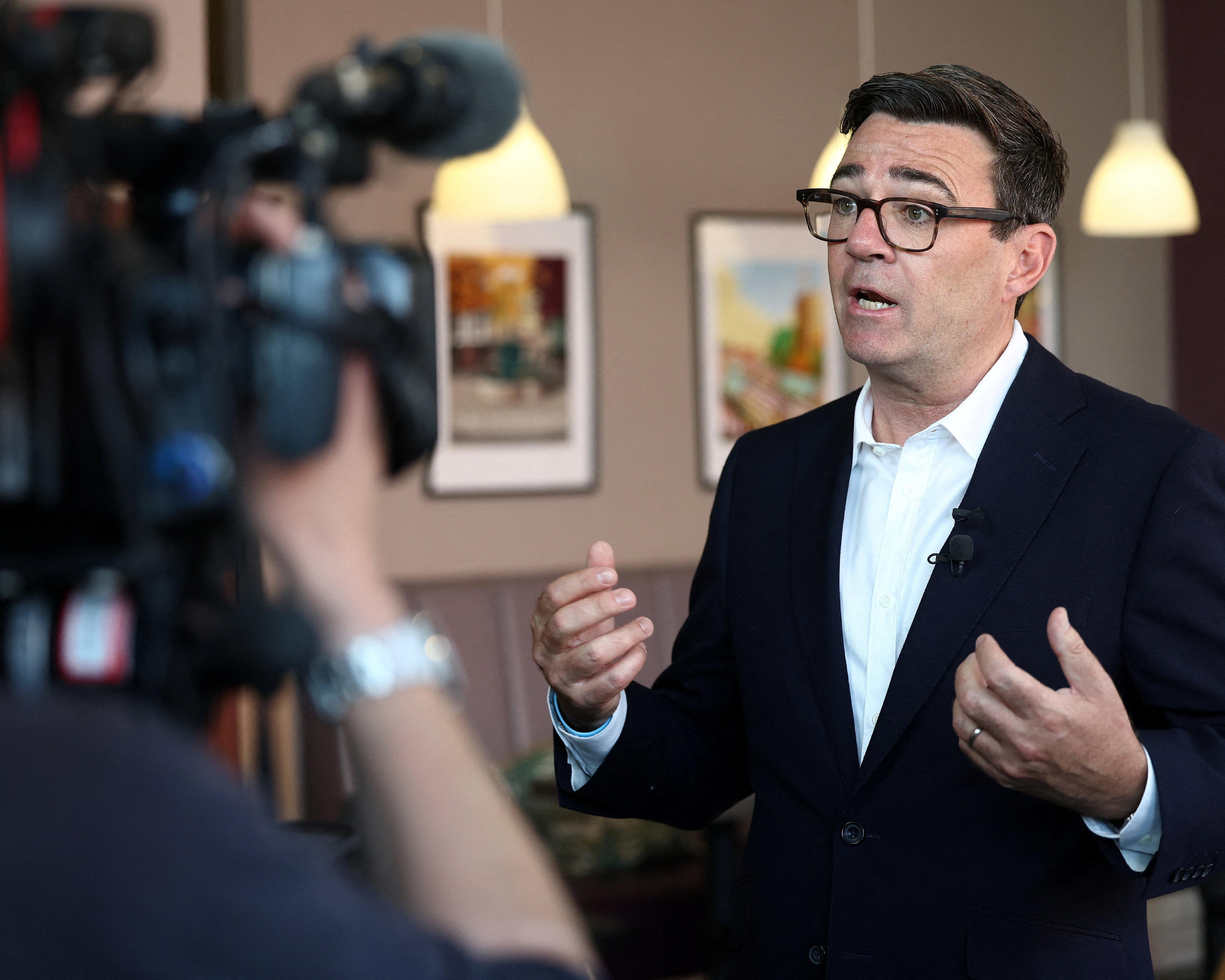
Greater Manchester mayor Andy Burnham has outlined a comprehensive policy platform ahead of the Makerfield byelection, signalling a significant shift in social care funding if he were to assume the premiership. In an interview with The Guardian, Burnham proposed replacing inheritance tax with a progressive "care levy" to fund a national care service, aiming to address what he described as a broken system. He further indicated that the Casey review on social care funding, currently scheduled for 2028, would be brought forward to the end of 2026 to accelerate implementation.
Burnham defended Labour’s current fiscal framework, arguing that adherence to Rachel Reeves’s fiscal rules has freed up resources for public investment rather than constraining policy. He sought to clarify remarks suggesting politicians were "in hock" to bond markets, asserting that the country had been left in that position by previous administrations. He argued that retaking control of public spending levers was necessary to provide the government with the headroom to operate efficiently, citing his success in Manchester where bus fares were halved and services returned to public control.
On housing and local taxation, Burnham proposed reallocating £39bn earmarked for social and affordable housing to social homes. He advocated for replacing council tax with a land value tax and granting councils the power to levy a tourist tax. He also called for public sector procurement to prioritise British industry, positioning these measures as part of a broader strategy to address the "shallowness" of Westminster and restore public faith in politics.
Immigration and party unity featured prominently in his address. Burnham expressed support for Home Secretary Shabana Mahmood’s policies, stating he would not shy away from concerns regarding small boat crossings but emphasised the need for a balanced system that includes safe routes for refugees and work pathways for those already in the country. While calling for Labour to be a "broad church" that draws on all parts of the movement, he ruled out allowing Jeremy Corbyn back into the party, though he suggested that other expelled leftwingers, such as Faiza Shaheen and Jamie Driscoll, should never have been removed.
Addressing the political landscape, Burnham denied using the byelection as a stepping stone to power, stating his focus was "100%" on winning the seat. He ruled out calling a snap general election if he replaced Keir Starmer, citing the public’s fatigue with frequent campaigns. On foreign policy, he opposed rerunning the Brexit referendum, arguing it would entrench division, but maintained a desire for the UK to rejoin the EU in his lifetime. He also defended Starmer’s diplomatic approach to Donald Trump, suggesting that maintaining a respectful but independent relationship with the US was essential.