Burnham flags nationalisation of Thames Water as Labour leadership ambitions take shape
The Greater Manchester mayor confirms public ownership is an option under his potential leadership, proposing dividend bans and criminal penalties for executives as the government faces criticism over slow progress on water reform.
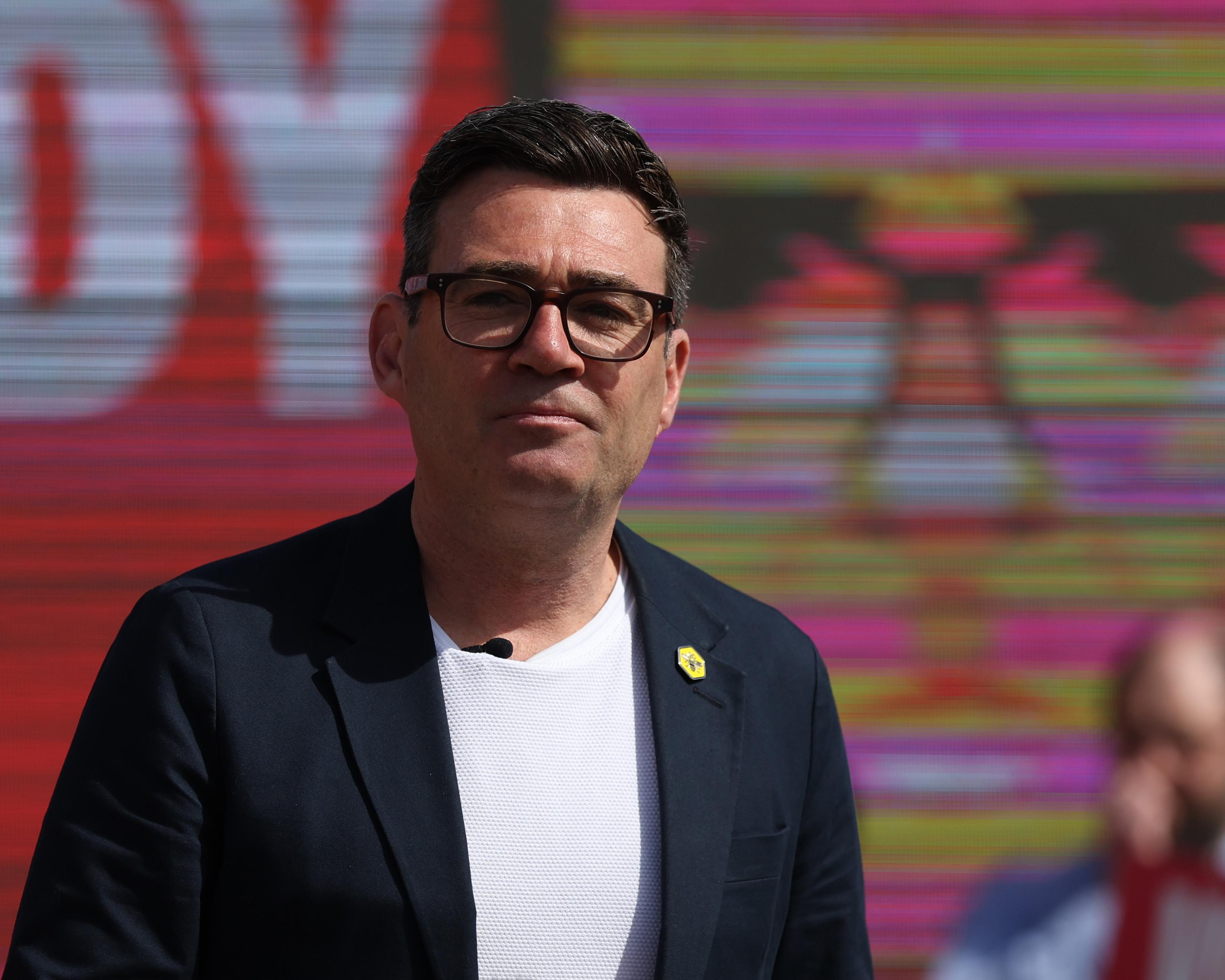
Andy Burnham, the Labour candidate for the Makerfield byelection and Mayor of Greater Manchester, has declared that Thames Water should be nationalised, confirming that public ownership is a viable policy option should he seek the leadership of the Labour party. In an interview with The Guardian, Burnham stated that the current model of private ownership serves private interests rather than the public good, citing excessive shareholder profits, high consumer bills, and widespread pollution as evidence of systemic failure.
Burnham’s comments come as he sharpens his policy platform ahead of a potential leadership contest, contingent on his success in the Makerfield byelection on 18 June. He has engaged with water campaigners, including Feargal Sharkey, who has been a vocal advocate for bringing water services back under public control. Burnham argued that the industry operates as a system where shareholders are protected from loss while bill-payers bear the burden, pointing to the financial distress of Thames Water, which carries approximately £20bn in debt and is nearing collapse.
The Mayor of Greater Manchester proposed specific regulatory interventions to address what he described as excessive profiteering. His plan includes banning bill increases by cancelling dividends for companies that raise prices above a certain threshold. He also called for stronger accountability measures, stating he would support criminal consequences for executives who fail to address sewage spills, arguing that those who wilfully ignore their responsibilities should face serious legal repercussions.
These proposals stand in contrast to the current government’s approach, which has declined to nationalise the sector due to estimated compensation costs of £100bn. Ministers have instead focused on consulting on a new regulator, which is not expected to be in place until 2029. While the government has attempted to ban bonuses for chief executives and finance chiefs of failing water companies, loopholes have allowed some executives to receive millions despite record levels of sewage dumping.
Critics, including Sharkey, have expressed disappointment with the pace of reform under Prime Minister Keir Starmer, who pledged to end the sewage scandal during the 2024 election. While the government maintains that nationalisation is too costly, experts have disputed the compensation figures, suggesting that creditors may not be legally entitled to full repayment given the company’s financial state and prior profit distributions. Burnham aligned himself with this view, urging a shift where public interest predominates over private gain.