Bupa cuts app rebuild time by 60% with AI-assisted migration
The health insurer’s My Bupa application has been rebuilt from legacy code to native platforms, delivering faster performance and higher user ratings.
Bupa has completed the modernisation of its My Bupa mobile application, migrating the platform from the legacy Xamarin framework to native Swift and Kotlin. The project, delivered in partnership with Infosys, utilised AI-assisted reverse and forward engineering to reduce the transformation timeline by approximately 60% compared to pre-AI estimates. The update resulted in a significant improvement in user experience, with the app rating rising from 3.7 to 4.7 and user-perceived crash rates falling by nearly 24 percentage points on Android and eight points on iOS.
The migration was necessitated by Microsoft ending support for the Xamarin framework in 2024, which posed potential security and compliance risks for the health insurer. Bupa serves approximately seven million customers across Asia-Pacific through its health insurance and health services divisions. The My Bupa app serves as the primary self-service platform for managing cover, policy details, and claims, while the Blua app focuses on digital healthcare services.
By leveraging AI tools, the team achieved 100% feature parity in a single release, with 90% of the active customer base adopting the new version. The project also saw the code base reduced by 30% and the application footprint by 18%, enabling bills to complete four times faster. Android login success per visit doubled to 77%, and the team mapped nearly 1,500 regression scenarios to native epics to preserve critical journeys.
AI-driven discovery and documentation removed an estimated 400 hours of manual business analyst effort, allowing the team to focus on design and improvement rather than holding institutional memory. The project was originally estimated to take 18 months but was delivered in seven months through a cross-functional "one-team" approach. This compressed timeline required mobilising squads across engineering, architecture, testing, and release to manage parallel environments while protecting business-as-usual commitments.
Post-migration, the team shipped multiple rapid-fire releases, including a migration to a new payment gateway, with zero security or high-severity defects at launch. AI-driven triage and predictive defect analysis were run across nearly 1,400 cases to focus testing on the highest-risk journeys. The organisation also implemented AI-driven accessibility testing, treating it as a critical opportunity to remove barriers for users who rely on the platform.
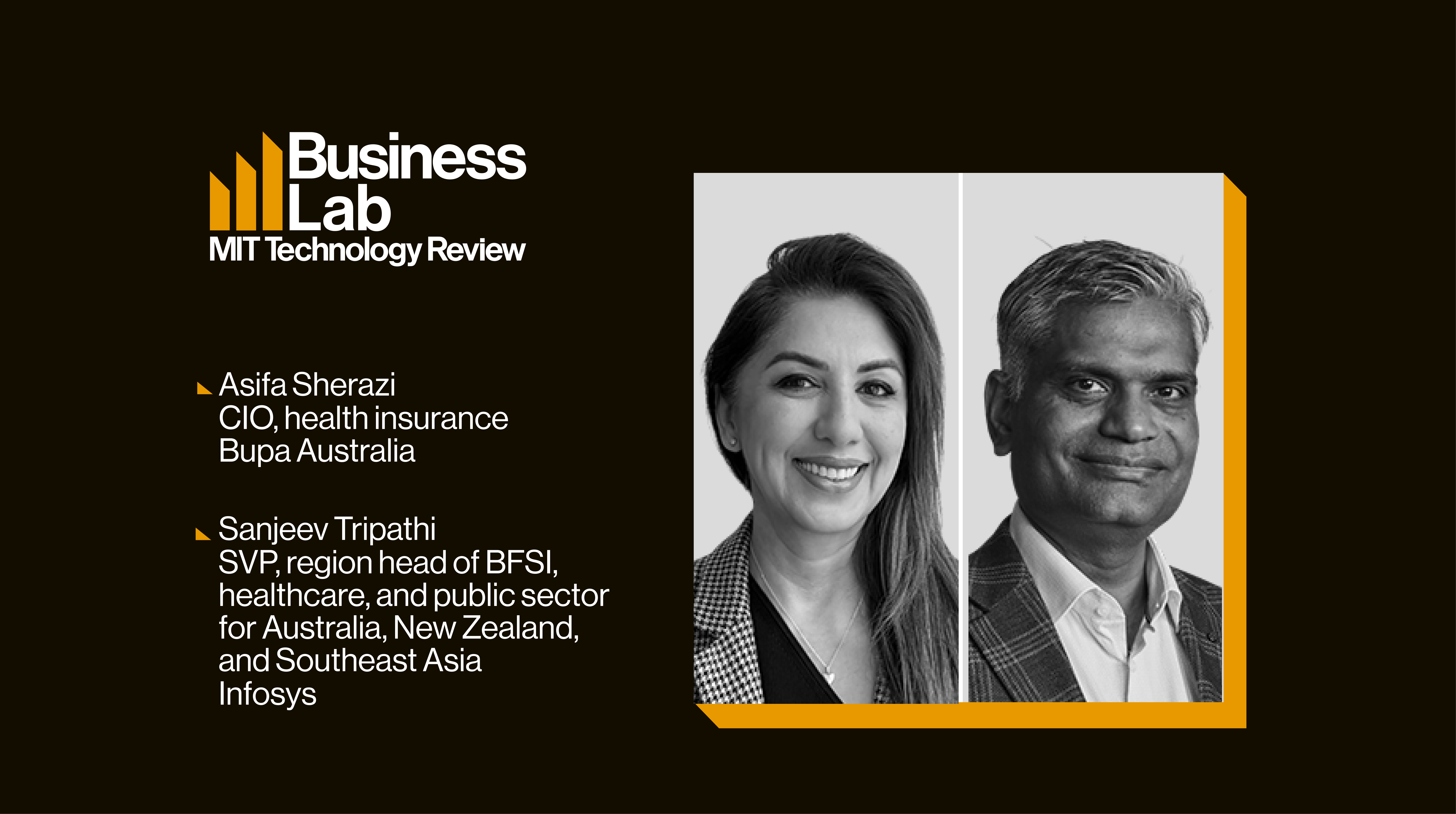
Asifa Sherazi, CIO of health insurance at Bupa, noted that the shift has changed the questions the organisation asks, moving from whether the platform can support a feature to whether it is the right thing to do for customers. Sanjeev Tripathi, senior vice president at Infosys, stated that modern platforms will become the base for far more intelligent AI-driven ecosystems, where AI is built into everything from design to operations.