Budget Carriers Seek Federal Equity Deal Amid Jet Fuel Crisis
CEOs of the low-cost airlines met with senior officials to request intervention as Iran conflict drives jet fuel costs above the $4 per gallon threshold that threatens unit economics.
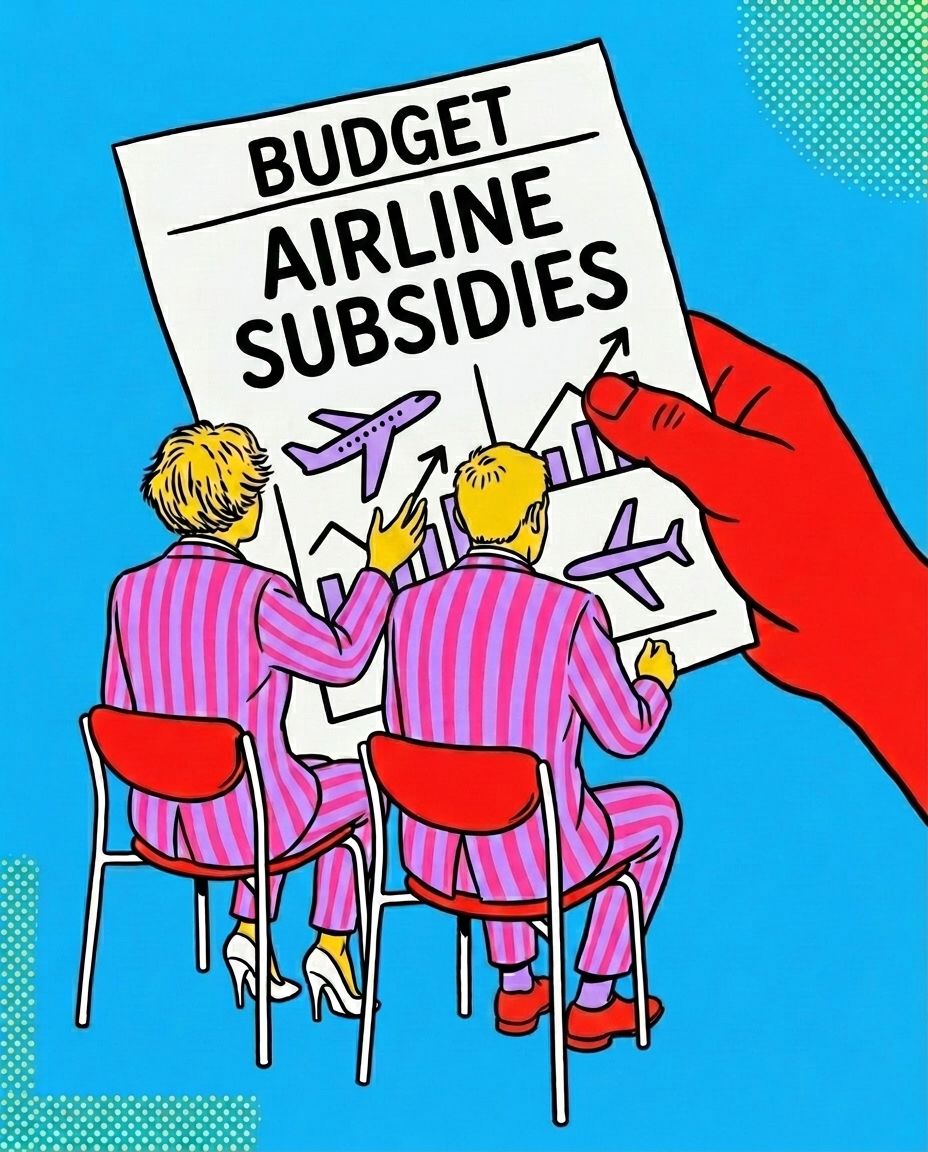
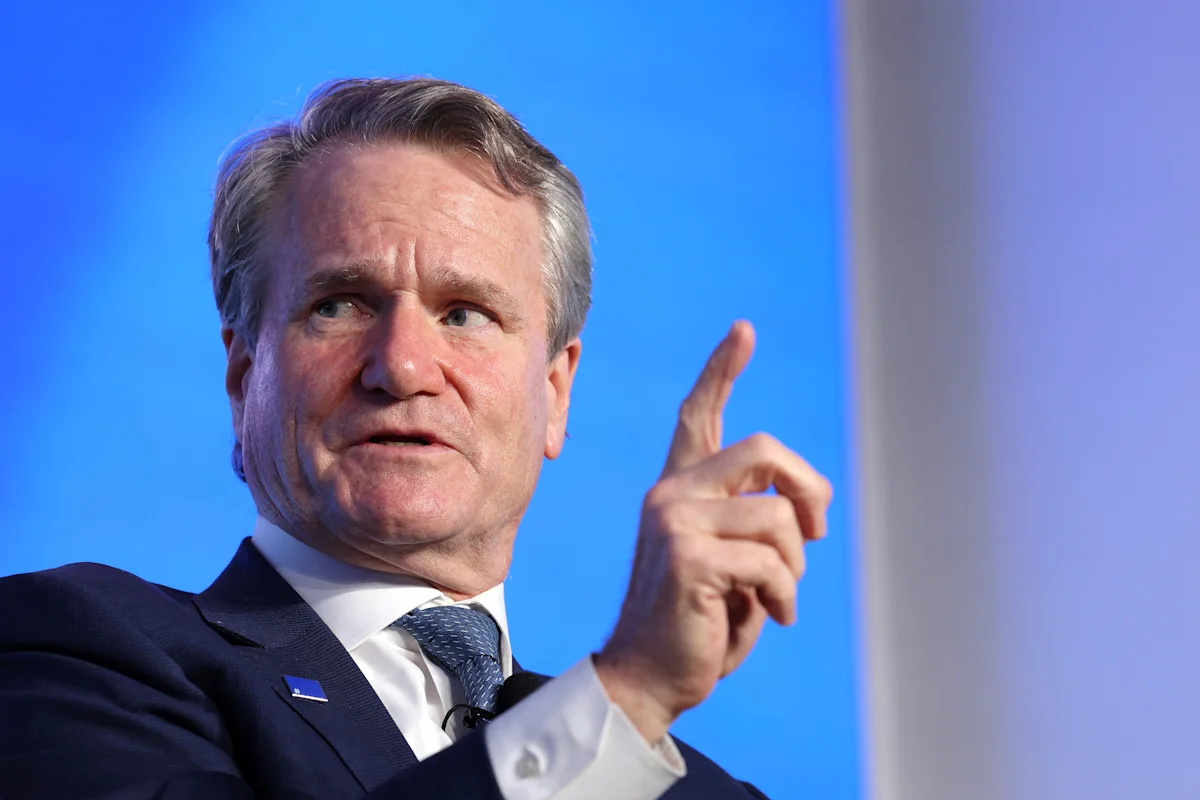
The heads of budget airlines Frontier and Avelo have met with US Transportation Secretary Sean Duffy and Federal Aviation Administration chief Bryan Bedford to request $2.5 billion in federal assistance. The proposal, which mirrors the 2020 CARES Act bailout model, involves offering the US government equity stakes via convertible warrants in exchange for the funding. This mechanism aims to make taxpayer relief palatable by providing potential upside while addressing the immediate financial distress facing the carriers.
The request is explicitly contingent on jet fuel prices remaining above $4 per gallon, a threshold attributed to ongoing conflict in Iran. The $2.5 billion figure represents the industry's estimate of incremental jet fuel costs for the current year relative to prior forecasts. A sustained price environment above this level is viewed as sufficient to break the unit economics of budget operators, whose thin margins and lack of hedging infrastructure leave them vulnerable to fuel volatility that legacy carriers can better absorb.
Unlike their larger competitors, budget airlines operate without the robust hedging strategies employed by United, Delta, and American. This structural disadvantage prevents them from passing fuel cost increases onto their price-sensitive customer base without risking insolvency. The meeting occurred after Spirit Airlines received similar consideration, suggesting a pattern of industry-wide distress that has now drawn the attention of the White House.
The Trump administration is reportedly considering the ask, though the outcome remains uncertain and hinges on three key variables. First, the price of crude oil must remain elevated; if prices pull back and jet fuel drops below the $4 per gallon mark, the urgency for intervention will evaporate. Second, the stance of legacy carriers will play a role, with their potential market share gains acting as a counterweight to sympathy for the budget sector. Finally, the administration's appetite for a targeted package rather than a sector-wide bailout will determine the political feasibility of the deal.
For equity investors, the outcome of this pitch carries significant implications for the low-cost carrier space. If the proposal is approved, it would act as a short-term equity catalyst, validating management's view that self-help measures through cost cuts are insufficient. Conversely, rejection could accelerate consolidation or force bankruptcy, reshaping the competitive landscape. The uncertainty surrounding the deal has already introduced volatility, with the sector's health now inextricably linked to global oil markets and geopolitical tensions.
The broader implications extend beyond the airlines themselves, with oil producers and refiners such as ExxonMobil, Chevron, and Shell positioned to benefit from the sustained high crude prices driving the crisis. Meanwhile, consumers face the prospect of higher airfares or reduced travel options if the budget sector collapses. As the administration weighs the request, any formal statement or congressional referral in the coming days will provide the clearest signal of whether the US government is prepared to intervene in the aviation sector once again.