Brockovich launches transparency map targeting data centre secrecy in US
Erin Brockovich says transparency, not the technology itself, is the primary concern for communities affected by data centre construction
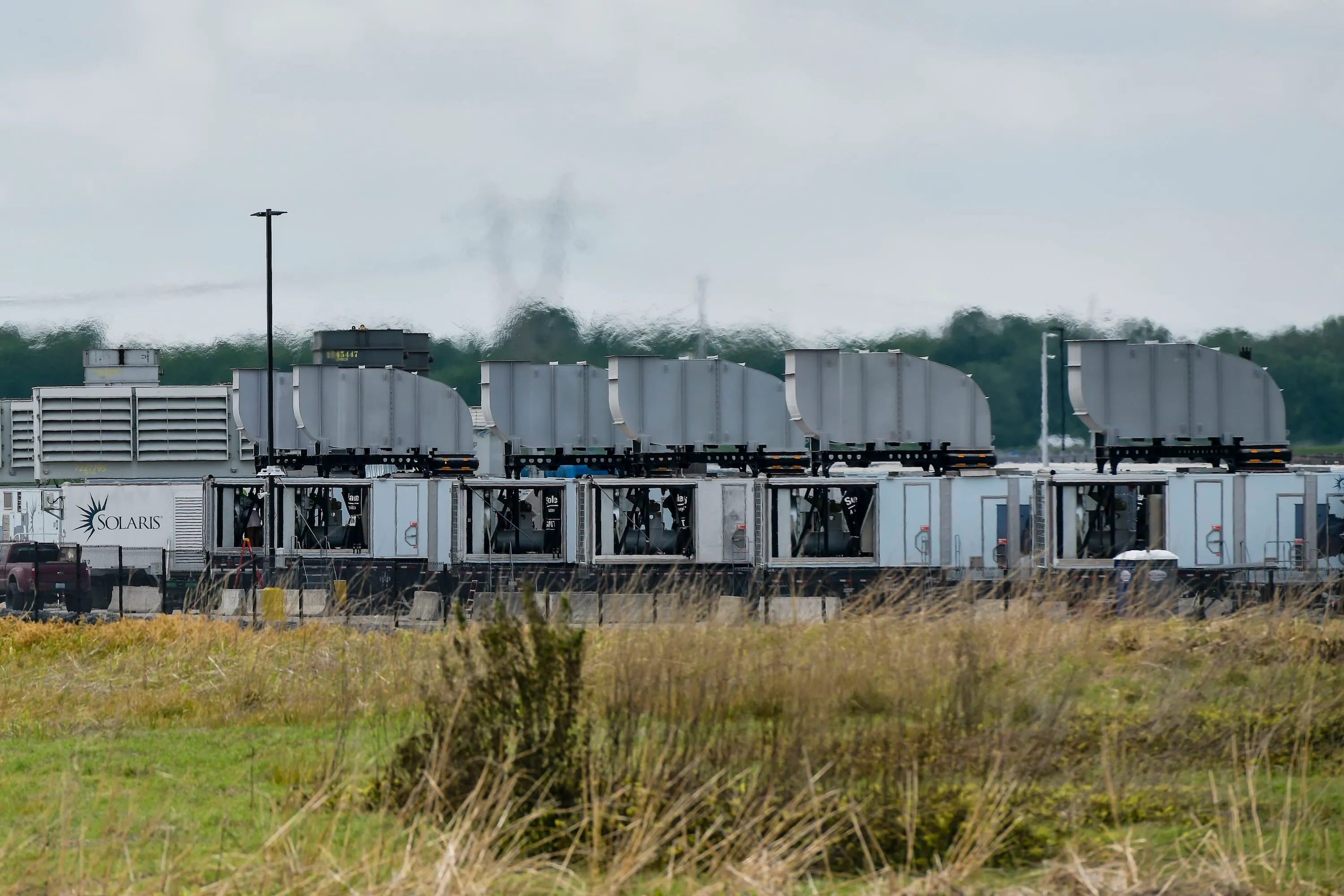
Environmental activist Erin Brockovich has launched a new website featuring a map of data centres across the United States, aiming to expose what she describes as a pattern of secrecy in the industry. The initiative follows a call for reports issued in April, which generated nearly 4,000 community submissions within the first month. Brockovich, whose legal battle against Pacific Gas & Electric was dramatized in a film starring Julia Roberts, stated that the map is a "work in progress" relying on data reported by members of surrounding communities.
In a Substack post, Brockovich identified transparency as the single most common concern raised by the public, surpassing other issues such as noise, water usage, and rising utility bills. She clarified that her campaign is not a blanket opposition to data centres or artificial intelligence, but rather targets specific industry practices that she argues exclude local stakeholders from the decision-making process.
The map documents instances where developers have failed to return calls from local officials and where projects were announced only after permits had already been secured. Brockovich highlighted that some local officials signed non-disclosure agreements before their neighbours were aware a project was being considered, effectively limiting community oversight during critical planning stages.
The initiative seeks to bring visibility to the construction and impact of these facilities on nearby populations. By aggregating community-reported data, the website aims to hold developers accountable for engaging with local officials and residents before proceeding with major infrastructure projects.
Brockovich’s focus on procedural transparency marks a shift from opposing the technology itself to challenging the manner in which these facilities are deployed. The campaign underscores the growing tension between rapid technological expansion and the need for open dialogue with the communities that host the physical infrastructure supporting it.
