Broadcom slump and Iran tensions drive US market divergence
The Dow Jones rises over 1% while Nasdaq futures fall; SpaceX confirms record $75 billion IPO plans amid rising jobless claims.
US equities presented a fractured picture on Thursday as conflicting macroeconomic signals and geopolitical anxieties pulled major indices in opposite directions. The Dow Jones Industrial Average surged more than 1%, gaining over 500 points, while the tech-heavy Nasdaq 100 futures dropped approximately 1%. This divergence highlighted a market struggling to reconcile strong industrial performance with deepening concerns over the sustainability of the artificial intelligence trade and the outlook for Middle East diplomacy.
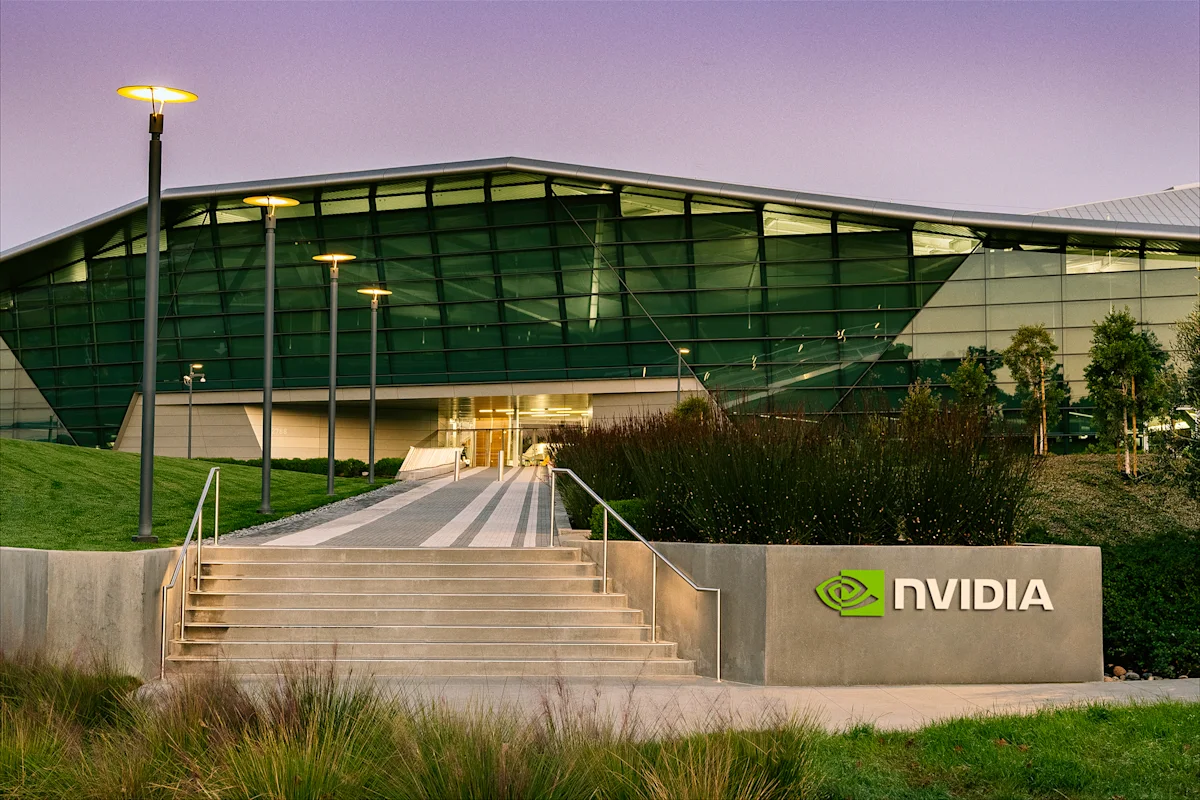
The primary driver of the sell-off in technology stocks was a sharp 14% decline in Broadcom shares after the company’s third-quarter artificial intelligence chip forecast disappointed investors. Although Broadcom’s second-quarter AI semiconductor revenue grew 143% year-on-year, its projected AI sales for the third quarter of $16 billion fell short of analyst estimates of $17.2 billion. The miss has raised questions about the broader strength of the AI sector, with the company on track to lose approximately $300 billion in market capitalisation, potentially marking one of the most significant single-company routs in market history.
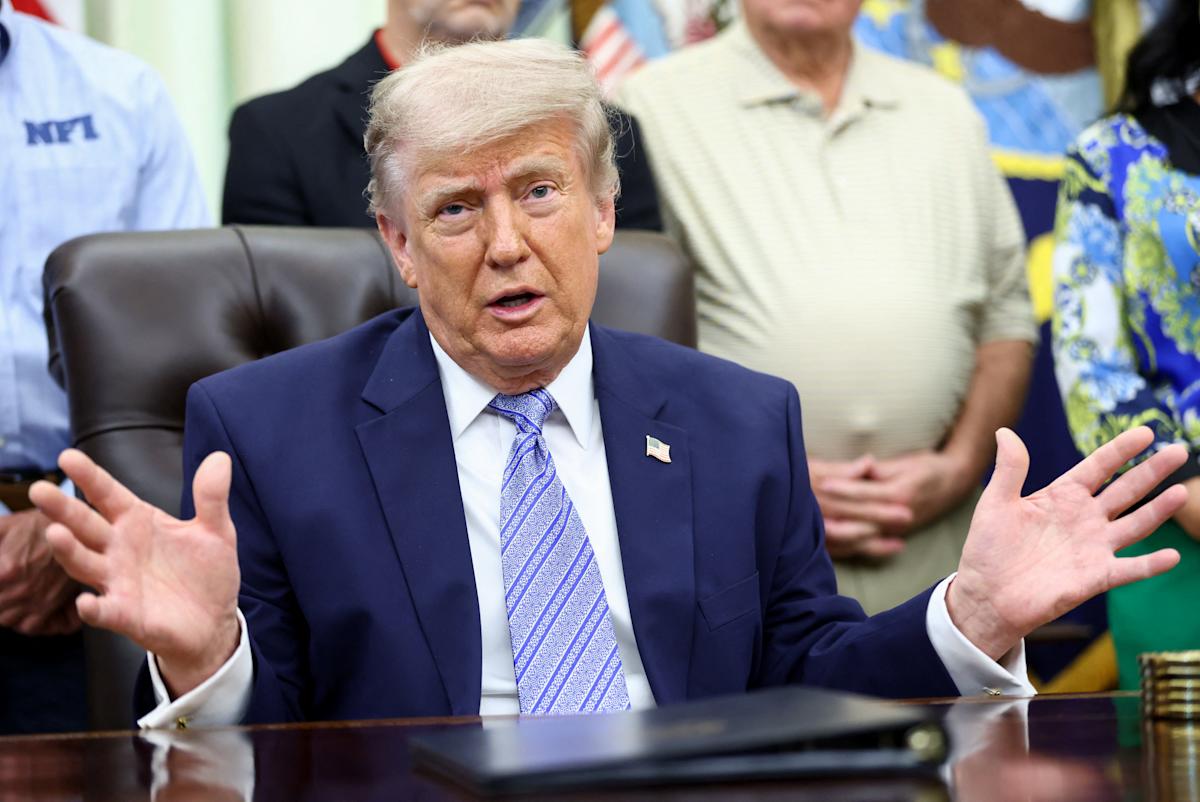
Geopolitical uncertainty further complicated the trading environment, with market sentiment rattled by doubts regarding President Trump’s ability to conclude the conflict with Iran. This anxiety followed a House of Representatives vote to end the war, a rebuke to executive policy, and recent military escalations. While hopes for a quick diplomatic breakthrough had previously supported risk assets, prospects for an immediate deal have faded, contributing to a more cautious investor posture across global markets.
In corporate developments, SpaceX confirmed plans for a record-breaking $75 billion initial public offering. The filing indicates the company will offer 555,555,555 shares at $135 each, representing 4.2% of the float, with CEO Elon Musk and other insiders retaining the remaining 95.8%. If underwriters exercise their full option to purchase additional shares, the offering could raise up to $85.7 billion, valuing the space and technology firm at a hypothetical market capitalisation of around $1.785 trillion. Proceeds will be directed toward expanding AI compute infrastructure, launch vehicles, and satellite constellations.
Labor market data released on Thursday suggested the employment landscape remains largely stable despite recent fluctuations. Applications for unemployment benefits for the week ending May 30 rose by 13,000 to 225,000, the highest level since February and above economists’ median estimates of 215,000. Continuing claims for the week ending May 23 decreased slightly to 1.77 million. Meanwhile, commodity markets saw crude oil prices retreat, with Brent crude down 2.6% to $95 per barrel and West Texas Intermediate falling 3% to $93 per barrel, following reports of a ceasefire agreement between Israel and Lebanon.