Broadcom earnings miss triggers sector-wide sell-off for US chipmakers
The chipmaker’s shares fell as much as 15 per cent in after-hours trading, wiping more than $300bn from its market value and dragging down peers including Micron and Marvell.
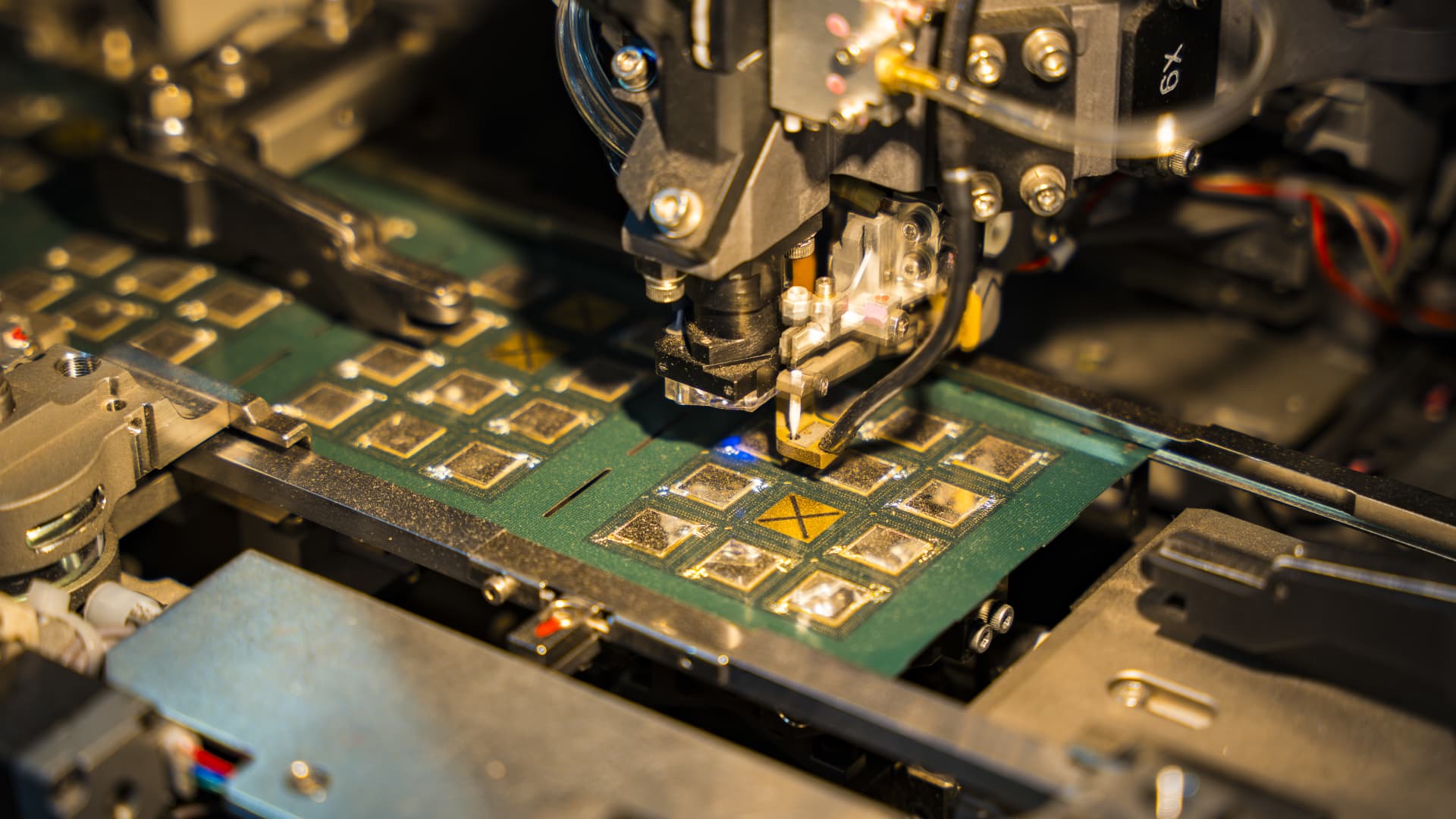
Shares of US semiconductor companies fell in premarket trading on June 4, 2026, following a disappointing earnings report from Broadcom. The sell-off was led by losses at Micron, Marvell, and Broadcom, reflecting heightened sensitivity among investors to the outlook of major chipmakers.
According to reporting by CNBC, Broadcom’s shares fell as much as 15 per cent in after-hours trading on the same day. The sharp decline followed the release of a revenue forecast that failed to meet investor expectations, prompting a significant correction in the company’s valuation.
The market reaction erased more than $300bn from Broadcom’s market value. The magnitude of the loss underscores the weight the company holds within the broader technology and semiconductor sectors, with the earnings miss serving as a catalyst for wider institutional reassessment.
The negative sentiment spilled over into premarket trading for other major US chipmakers. Micron and Marvell joined Broadcom in leading the losses, although specific percentage declines for these peers were not immediately detailed in the initial reports. The coordinated drop suggests that market participants are pricing in broader risks or recalibrating growth assumptions across the industry.
The event highlights the volatility inherent in the semiconductor sector, where forward guidance often carries as much weight as historical results. As trading continues, attention will remain on whether the sell-off represents a temporary reaction to a single company’s guidance or a more structural shift in investor sentiment toward US tech equities.